
Beautiful Plants For Your Interior
Beautiful Plants For Your Interior
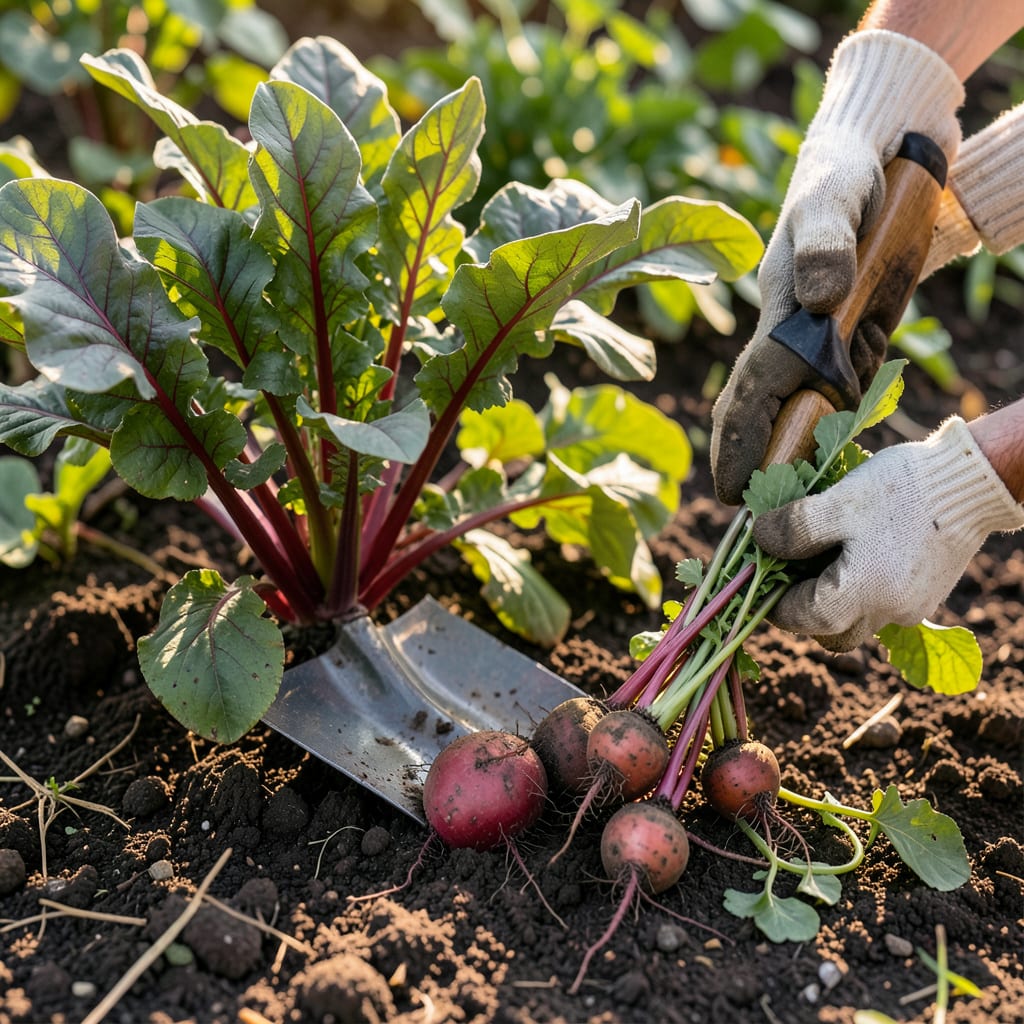
I remember the first time I pulled up my 🥬 Beet plants, only to find they were either too small or past their prime. Getting the timing right makes all the difference between sweet, tender roots and woody disappointments.
With a few simple checks, you can easily tell when your Beets are ready. I’ll show you the visual clues and key indicators to watch for.


I always check for shoulder protrusion first – that’s when the top of the beet pushes above the soil line. This is your first clue that the roots are developing nicely below ground.
Another clear indicator is the foliage size. When the leaf diameter reaches about 3-4 inches wide, it’s time to start checking the roots. The greens should look vibrant and healthy, not stunted or yellowing.
| Sign | What to Look For |
| Shoulder Visibility | 1-3 inches above soil |
| Leaf Diameter | 3-4 inches wide |
| Root Size | 1-3 inches diameter |
| Green Health | Lush and dark green |
The root diameter is perhaps the most reliable sign. For most varieties, 1-3 inches in diameter means they’re ready. That’s roughly the size of a golf ball to a tennis ball.
I find that gently brushing away the soil at the base of the plant helps me check the size without disturbing the roots. This is especially useful when you’re unsure about the development stage.
Color changes can also signal readiness. The shoulders often develop a rich, deep color when mature. For red beets, this means a vibrant crimson, while golden varieties will show a bright yellow hue.
Remember that beet varieties mature at different rates. Detroit Dark Red typically reaches maturity in about 60 days, while Golden beets might take a bit longer.
The greens will also give you clues. If they’re lush and upright, your beets are likely ready. Wilted or yellowing greens could indicate either over-maturity or other issues.
For baby beets, you can harvest when they’re just 1-2 inches in diameter. These will be extremely tender and perfect for early harvests or succession planting.
I always recommend checking a test beet first. Pull one up to examine its size and texture before harvesting the entire row. This helps ensure you’re picking at the perfect time.
Finally, pay attention to the days to maturity listed on your seed packet. While this is just a guide, it’s a good starting point for knowing when to begin checking for these visual signs.
🌱I’ve found that timing your harvest perfectly depends largely on the beet variety you’re growing. Different types reach their peak at different sizes and times.
Baby beets are best harvested when they’re just 1-2 inches in diameter. These tiny roots are incredibly tender and perfect for early harvests.
For mature beets, I aim for 2-3 inches in diameter. This size offers the best balance of sweetness and tenderness. Anything larger risks becoming tough.
Detroit Dark Red is my go-to variety, typically ready in about 60 days. These classic red beets are sweetest when harvested at 2-3 inches across.
Golden beets take a bit longer, usually 65-70 days. Their beautiful yellow color develops fully at maturity, and they’re best picked at the same 2-3 inch size.
I love Chioggia beets for their stunning striped interiors. These are perfect when they reach about 2 inches in diameter, which typically happens around 60 days.
Remember that soil temperature affects growth rate. In cooler springs, your beets might take a few extra days to reach harvest size. Always check the seed packet for variety-specific guidance. 🌱
I’ve seen many gardeners make the same harvest timing errors with beets that turn potential successes into disappointments. The most common is waiting too long to pull them from the soil.
When beets grow beyond 3 inches in diameter, they often become woody and tough. This happens because the roots continue to expand, losing their tender texture and sweet flavor.
⚠️ Warning: Over-mature beets develop a tough texture and bitter taste. Harvest at 1-3 inches for best quality.
On the flip side, harvesting too early means you’ll get underdeveloped roots that lack size and flavor. I recommend waiting until you see those shoulders poking above the soil.
Another mistake is ignoring weather impacts. Hot weather can cause beets to bolt prematurely, while cold snaps may stunt their growth. Always adjust your harvest timing based on conditions.
Finally, many forget about post-harvest handling. I always recommend gently brushing off excess soil and storing beets in a cool, dark place to maintain freshness. ☀️
Most beets are ready at 1-3 inches in diameter, about the size of a golf ball to tennis ball. This size ensures tender texture and peak sweetness.
Gently brush away soil at the base to expose the shoulders. If they’re 1-3 inches above soil, they’re likely ready. This method prevents unnecessary disturbance.
Yes! Beets over 3 inches often become woody and bitter. Harvest promptly once they reach mature size to avoid tough texture and loss of flavor.
No, varieties differ. Detroit Dark Red matures in about 60 days, while Golden beets may take 65-70 days. Always check your seed packet for specifics.
