
Beautiful Plants For Your Interior
Beautiful Plants For Your Interior
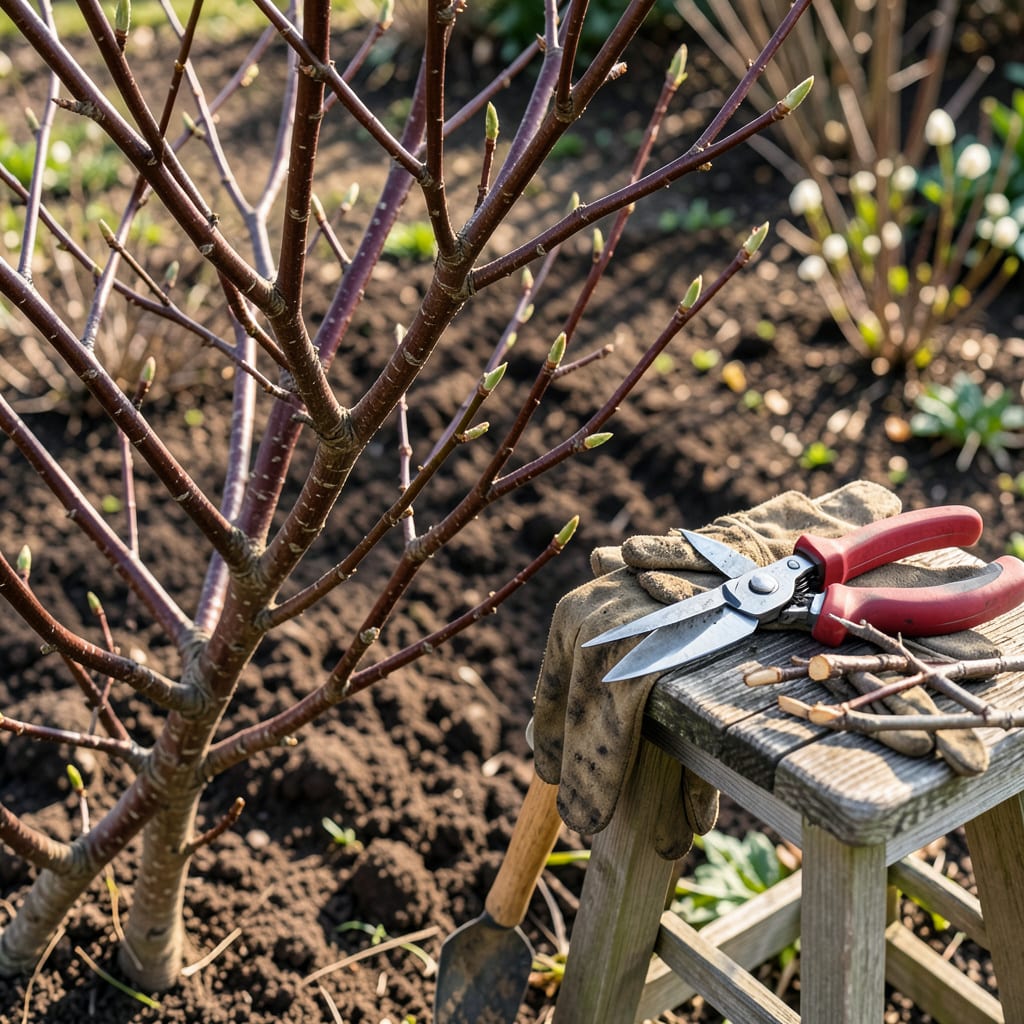
That fiery red fall foliage doesn’t happen by accident. Burning bush (Euonymus alatus) rewards smart pruning with shockingly vibrant autumn color and a shape that actually fits your landscape—not the wild, leggy monster it wants to become. I learned this the hard way after letting mine grow unchecked for two seasons.
Timing and technique make all the difference. Prune too late, and you sacrifice next year’s color. Cut too aggressively, and you stress the plant. Do it right in early spring, and you’ll get a compact, healthy shrub that explodes with color when temperatures drop. Here’s exactly how to shape yours for maximum impact.
📚 In This Guide
This method ensures vibrant fall color while maintaining plant health—timing and technique make all the difference.
Prune burning bush (Euonymus alatus) in late winter to early spring while it’s still dormant but just before new growth emerges. I watch for the first signs of bud swell—that’s your signal the plant is waking up. Avoid fall pruning, which removes the flower buds that develop into next year’s vibrant foliage.
If you’re pruning an overgrown specimen, you can do light corrective cuts in midsummer, but never remove more than 20% of the foliage at once. The plant needs those leaves to manufacture energy for root development and next season’s growth.
Start by cutting out any dead wood (gray, brittle branches) or diseased stems (discolored, spotted, or oozing). Make clean cuts at a 45-degree angle just outside the branch collar—the swollen area where the branch meets the trunk. This protects the plant’s natural healing mechanism.
Next, look for crossing branches that rub against each other. These create wounds that invite pests and pathogens. I use sharp bypass pruners (not anvil-style) to make precise cuts without crushing the remaining stem. Always sterilize blades between cuts with rubbing alcohol to prevent disease transmission.
Stand back and assess the plant’s natural form before making cuts. Burning bush responds well to renewal pruning, where you remove about one-third of the oldest stems each year. Cut these back to the ground to encourage vigorous new growth from the base.
For overall shaping, follow the 1/3 rule: never remove more than one-third of the total foliage in a single season. Thin out crowded areas to improve airflow, which reduces powdery mildew risk. I aim for an open, vase-like structure that allows light to penetrate the center.
When shortening branches, cut just above an outward-facing bud at a 45-degree angle. This directs new growth away from the center, preventing future crowding. For heading cuts (to encourage bushiness), trim back to a lateral branch that’s at least one-third the diameter of the stem you’re removing.
After pruning, step back frequently to check your progress. The goal is a balanced shape with gradual tapering from bottom to top. I often take photos from different angles—it’s easier to spot uneven areas in a 2D image than in person.
Remove all pruned material from the area immediately. Burning bush debris can harbor pests like spider mites. I use a tarp to collect clippings for easy disposal. Water the plant deeply after pruning to help it recover from the stress.
Monitor new growth over the next 4-6 weeks. Healthy regrowth appears as vibrant green shoots. If you notice dieback or stunted growth, the plant may need additional water or a light fertilizer application. The real test comes in fall—proper pruning enhances (rather than reduces) that spectacular red foliage.
Proper pruning transforms a burning bush from overgrown to outstanding—here’s what I’ve learned through years of shaping these vibrant shrubs.
The Timing Factor: That late winter to early spring window mentioned in Step 1 isn’t arbitrary—it’s when the plant’s energy is perfectly balanced between dormancy and new growth. I’ve found that pruning just as the buds begin to swell (but before they open) gives the cleanest cuts with minimal stress. The midsummer corrective pruning option works, but limit yourself strictly to that 20% foliage removal—any more risks compromising the plant’s ability to photosynthesize effectively during peak growing season.
Tool Precision: The 45-degree angle cuts in Step 2 aren’t just for aesthetics—they’re critical for water runoff and healing. I use Felco F-2 bypass pruners (the gold standard) and sharpen them before each pruning session. A dull blade crushes rather than cuts, leaving jagged wounds that take longer to heal. Between each cut, I dip my pruners in a 70% isopropyl alcohol solution—this prevents spreading diseases like powdery mildew that burning bushes are susceptible to.
Renewal Pruning Strategy: The one-third rule in Step 3 is non-negotiable for burning bush health. When removing old stems, I target the thickest, woodiest ones first—they’re least productive for foliage and most likely to harbor pests. For overgrown specimens, I stretch this to a three-year renewal cycle: remove one-third of old stems each year until the plant is rejuvenated. This gradual approach prevents the shock that can occur with dramatic one-season pruning.
Growth Direction Control: Those outward-facing buds in Step 4 are your roadmap to future shape. I make a habit of marking my intended cuts with landscape tape before pruning—this forces me to visualize the plant’s future growth pattern. When making heading cuts, I look for lateral branches with a 45-degree upward angle; these will become your new main stems and determine the shrub’s ultimate form.
The ideal time is late winter to early spring (February–March) while the plant is still dormant. Avoid pruning in fall, as fresh cuts may not harden off before winter. Light trimming for shape can be done in early summer after flowering.
Never remove more than one-third of the plant in a single season. For rejuvenation pruning (cutting back to 6–12 inches), do it in stages over 2–3 years to avoid shocking the shrub. Over-pruning can weaken growth and reduce fall color.
Yes! Burning bushes tolerate shearing well. For formal hedges, prune twice a year (early summer and late summer) using sharp hedge clippers. For natural shapes, hand-prune selectively to maintain airflow and avoid dense, disease-prone growth.
Over-pruning (especially late-season cuts) can reduce fall color. Ensure you’re pruning at the right time and leaving enough foliage for photosynthesis. Stress from drought or poor soil can also dull colors—check watering and fertilize in spring if needed.
If pruning feels overwhelming, try these:
