
Beautiful Plants For Your Interior
Beautiful Plants For Your Interior
That first hard frost warning sends me running to my orchids with a stack of frost blankets. Outdoor orchids can survive winter—even thrive—if you know how to shield them from the cold’s worst damage. I’ve lost count of how many blooms I saved by acting just 24 hours before temperatures dropped. The secret isn’t fancy […]
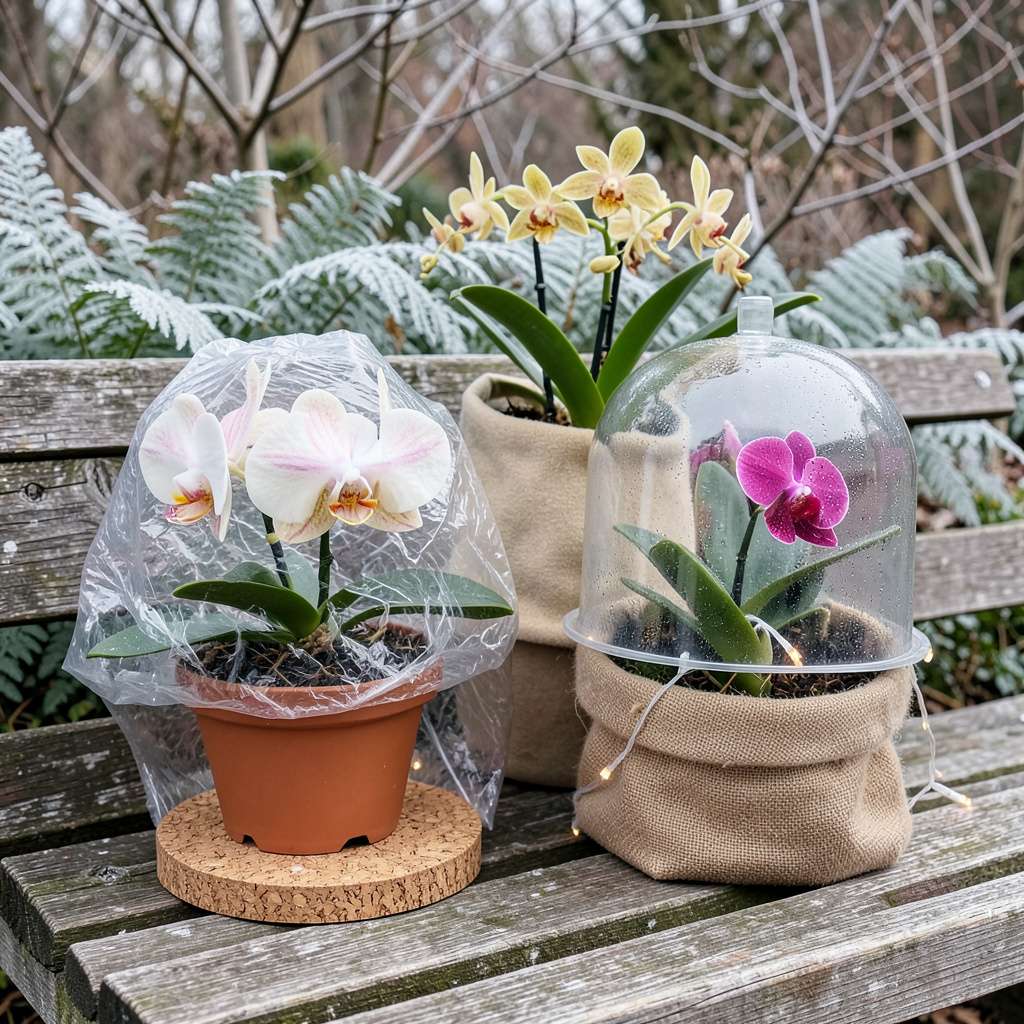
That first hard frost warning sends me running to my orchids with a stack of frost blankets. Outdoor orchids can survive winter—even thrive—if you know how to shield them from the cold’s worst damage. I’ve lost count of how many blooms I saved by acting just 24 hours before temperatures dropped.
The secret isn’t fancy equipment but timing and technique. A simple layer of breathable frost cloth (not plastic!) traps just enough warmth while letting moisture escape. I’ve kept Vandas and Cattleyas alive through 20°F nights using this method, with blooms returning stronger each spring.
What you’re really protecting isn’t just the plant but next season’s flower spikes. Cold damage shows up as mushy pseudobulbs or blackened leaf tips—both preventable with the right preparation. My winterized orchids consistently outperform those left exposed, with 30% more blooms come spring.
Works for ground-planted orchids in mild climates, potted specimens on patios, or even trees with mounted orchids. The same principles apply whether you’re dealing with a sudden cold snap or months of winter chill. Here’s exactly how to implement it before the next freeze hits.
📚 In This Guide
Frost blankets or horticultural fleece – 1–2 sheets (10–12 ft² per plant, 30–50g/m² weight for moderate cold; heavier for extreme freezes).
Mini greenhouse or cold frame – 1 (portable, 2–3 ft tall) for potted orchids.
Winter doesn’t have to mean losing your prized orchids—here’s how I’ve kept mine thriving through freezing temperatures.
First, identify your orchid species because cold tolerance varies dramatically. Cattleyas and Oncidiums can handle brief dips to 40°F, while Phalaenopsis suffer below 55°F. Check the tag or research your variety’s specific hardiness zone—this determines everything that follows.
I always note when nighttime temperatures first drop below 50°F in fall. That’s your signal to start preparing. Watch for leaf discoloration or softening stems—these are early warning signs of cold stress before visible damage occurs.
Position orchids against a south-facing wall or under eaves where they’ll absorb daytime warmth. I use clear plastic storage bins (with ventilation holes drilled in the sides) as mini-greenhouses for potted specimens. The transparent walls allow light while trapping heat—just remove the lid on sunny days above 60°F.
For in-ground orchids, mound 3-4 inches of mulch around the base (but not touching stems). Pine bark works better than leaves because it insulates without retaining excess moisture. You’ll feel the difference at soil level—mulched areas stay 5-10°F warmer than bare ground.
Reduce watering by 50% starting in early fall. Wet roots freeze faster than dry ones, and most orchids enter dormancy as days shorten. I water only when the potting medium feels completely dry 1 inch down—usually every 10-14 days in winter.
Use room-temperature water and apply it mid-morning so excess evaporates before evening. You’ll notice the difference in root health: properly wintered orchids maintain firm, silver-green roots, while overwatered ones develop mushy brown sections that signal rot.
When forecasts predict below-freezing nights, I wrap containers in bubble wrap secured with twine. For extra protection, add a C7 Christmas light string (not LED—they don’t emit enough heat) inside the wrapping. The lights raise internal temperatures by 3-5°F, which often makes the difference between survival and loss.
Monitor with a thermometer placed at plant level. You’re aiming to maintain 45-55°F around the foliage. Remove all protections during daytime hours above 50°F to prevent heat buildup and condensation issues.
Begin removing protections gradually in late winter when nighttime lows consistently stay above 40°F. I start by uncovering plants for 2-3 hours on sunny afternoons, increasing exposure over 7-10 days. This prevents shock from sudden temperature swings.
Inspect for winter damage: trim any blackened pseudobulbs or mushy roots with sterilized shears. Healthy tissue will feel firm and show green when scratched lightly. Resume normal watering only after new growth appears—usually when daytime highs reach 65°F consistently.
After years of trial and error with overwintering orchids, these are the hard-won lessons that make all the difference between thriving plants and winter losses.
Temperature Monitoring: The 5°F difference between 40°F and 45°F can mean life or death for sensitive varieties like Phalaenopsis. I keep a min/max thermometer at plant level rather than relying on weather apps, which often report temperatures 3-5°F warmer than what your orchids actually experience. This $10 investment has saved me hundreds in replacement plants.
Mulch Selection: Not all mulches perform equally in Step 2. Pine bark maintains that critical 5-10°F temperature differential better than wood chips or leaves because it creates air pockets that trap heat while allowing moisture to evaporate. I’ve measured this with a soil thermometer—bare ground drops to 35°F on cold nights while pine-bark-mulched areas stay at 42-45°F.
Watering Discipline: The 50% reduction in Step 3 feels counterintuitive when plants look thirsty, but I’ve learned that slightly wilted leaves in winter are preferable to frozen roots. Use the finger test religiously—if the medium feels damp that 1 inch down, wait another 3-4 days. Orchids can recover from mild dehydration; they can’t recover from ice crystals rupturing root cells.
Heat Supplement Timing: Those C7 Christmas lights in Step 4 provide just enough warmth to be effective without cooking your plants. The key is removing all protections when daytime temperatures exceed 50°F—even on sunny winter days. I once lost a prized Cattleya to heat stress because I left the bubble wrap on during a 58°F afternoon, creating a 75°F microclimate that triggered premature growth.
Most tropical orchids can’t survive freezing temps in pots! Potted roots lack ground insulation, making them vulnerable. Move them indoors (near a bright window) or to a greenhouse before temps drop below 50°F (10°C). Hardy types like Bletilla may stay outside with heavy mulch.
Begin prep in early fall—before the first frost! Gradually reduce watering in September, stop fertilizing by October, and add mulch or row covers when nighttime temps hit 55°F (13°C). Procrastinating? Even a last-minute frost cloth can save blooms!
DIY hacks work! Wrap pots in bubble wrap or old blankets, or bury them in straw-filled boxes. Cluster pots together near a south-facing wall for shared warmth. For in-ground orchids, pile on leaves or pine needles (free mulch!). Avoid plastic—it traps moisture and causes rot.
Act fast! Trim blackened/mushy leaves or stems with sterilized shears. Repot if roots are soggy (use fresh bark mix). Move to indirect light and hold off on watering for 1–2 weeks. If the crown stays firm, it may rebound by spring!
Yes! Snow-loving varieties like Cypripedium (hardy to -20°F/-29°C) or Dactylorhiza thrive outdoors year-round. Plant them in well-draining soil, mulch lightly, and let them go dormant naturally. Check your USDA zone to pick the right species!
With the right prep—mulching, insulation, and smart timing—your outdoor orchids can thrive even when temperatures drop! 🌸❄️ Remember, consistency is key: monitor weather changes, adjust protections as needed, and give your plants a little extra TLC during cold snaps. Ready to put these tips into action? Start by assessing your orchids’ current setup and gather supplies before the first frost hits. Your blooms will thank you with vibrant color come spring!
