
Beautiful Plants For Your Interior
Beautiful Plants For Your Interior
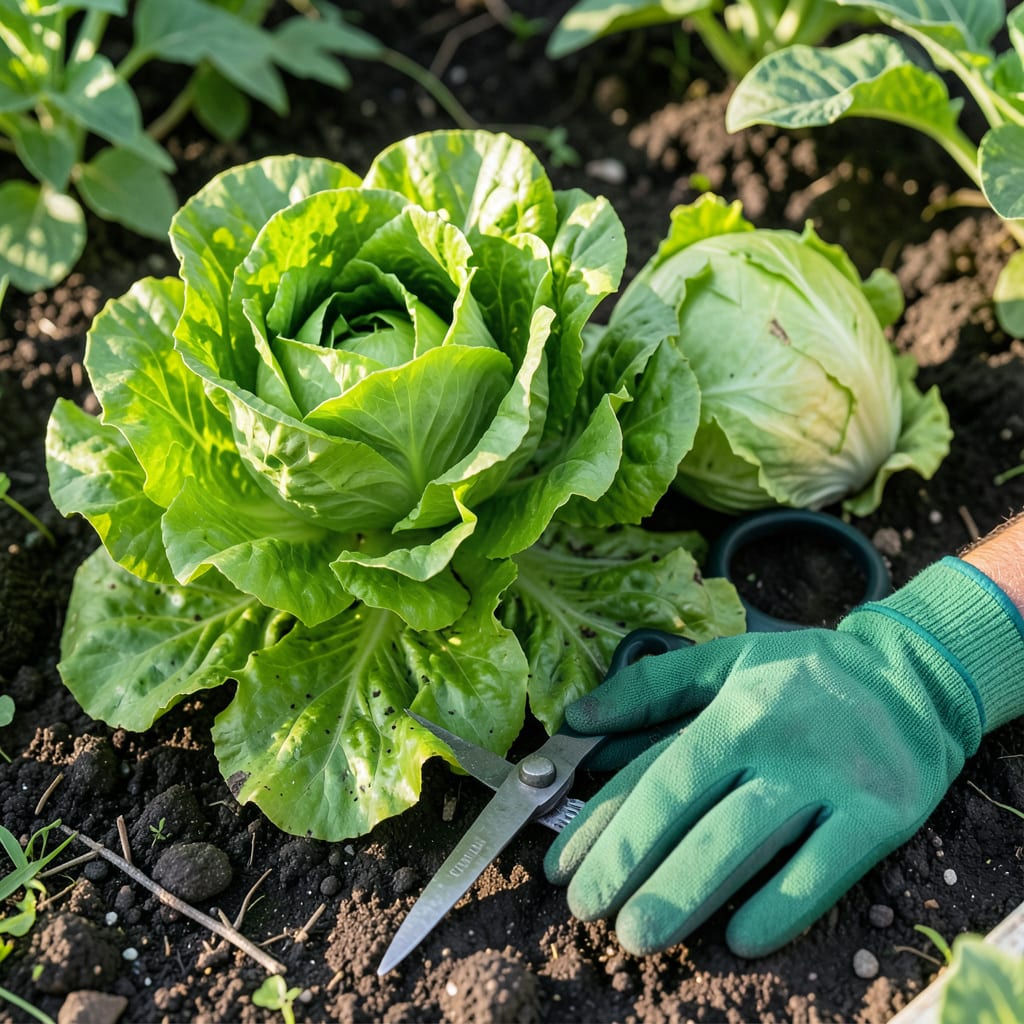
Nothing beats the satisfaction of harvesting fresh 🥬 from your own garden. With the right approach, you can enjoy a continuous supply rather than a one-time harvest.
Discover how to use the cut-and-come-again method to extend your crop’s productivity. I’ll show you the easiest way to keep your Lettuce thriving all season long.


The cut-and-come-again method is my go-to for keeping Lettuce productive all season. This technique allows you to harvest outer leaves while leaving the growing center intact for regrowth.
I always start by selecting mature leaves that are 4-6 inches long with a firm texture. This ensures the plant has enough energy to recover and produce more leaves.
I recommend using sharp scissors or garden shears for clean cuts. Dull tools can crush stems, making the plant more susceptible to disease and slowing regrowth.
Always harvest in the early morning when lettuce leaves are most crisp and hydrated. This timing helps the plant recover faster and reduces the risk of wilting in the afternoon heat.
After cutting, I
If you notice the inner leaves starting to yellow or wilt, it might be a sign of over-harvesting. In this case, I pause harvesting and give the plant a week to recover.
For butterhead or romaine varieties, I often use my fingers to snap off the outer leaves rather than cutting. This method works well for tender varieties and minimizes damage.
Remember, the key to continuous yield is consistency. By following this method, I’ve managed to get 3-4 harvests from a single plant before it bolts in hot weather.
Finally, keep an eye on pest activity after harvesting. Fresh cuts can attract slugs and snails, so I apply organic slug bait if needed to protect my plants. ✂️
Timing your lettuce harvest can make a big difference in yield and plant health. I always aim for early morning when leaves are most crisp and hydrated. ☀️
The best tools for the job are sharp scissors or garden shears. These ensure clean cuts that heal quickly and reduce disease risk. Dull blades can crush stems, slowing regrowth.
| Requirement | Specification |
|---|---|
| Best Time | Early Morning |
| Leaf Size | 4-6 inches |
| Tool | Sharp Scissors |
| Weather | Cool, Dry Day |
Avoid harvesting during midday heat or after rain, as leaves may be limp or waterlogged. This can lead to poor storage and increased disease risk.
For continuous harvests, I space my sessions 7-10 days apart. This gives the plant time to recover and produce new growth without stress.
If you’re growing butterhead or romaine, consider hand-snapping leaves instead of cutting. This method is gentler and works well for tender varieties.
Finally, always water your plants after harvesting. This helps them recover faster and prepares them for the next growth cycle. 💧
Even experienced gardeners can make harvesting mistakes that reduce their lettuce yield. One of the most common errors I see is cutting too low on the stem, which can damage the growing crown and prevent regrowth.
Another frequent misstep is harvesting during extreme heat. High temperatures cause lettuce leaves to wilt quickly, making them less crisp and more prone to spoilage. I always check the weather forecast before planning my harvest.
Using dull tools is another issue that can crush plant stems rather than making clean cuts. This creates entry points for diseases and slows the plant’s recovery. I always keep my scissors sharp for this reason.
I’ve also learned that over-harvesting can exhaust your plants. Taking more than one-third of the leaves at once can stress the plant and reduce future growth. Stick to harvesting only the outer leaves each time.
Finally, don’t forget about post-harvest care. After cutting, I always water my plants to help them recover. Skipping this step can lead to slow regrowth or even plant decline. ✂️
You can harvest every 7-10 days using the cut-and-come-again method. This gives the plant time to recover and produce new growth while maintaining productivity.
Early morning is ideal when leaves are most crisp and hydrated. Avoid midday heat or right after rain, as leaves may be limp or waterlogged.
Wait until leaves reach 4-6 inches long with a firm texture. Harvesting too early can stress the plant and reduce future yield.
Wilting often means the plant is stressed from heat or over-harvesting. Always water after cutting and avoid harvesting more than one-third of leaves at once.
