
Beautiful Plants For Your Interior
Beautiful Plants For Your Interior
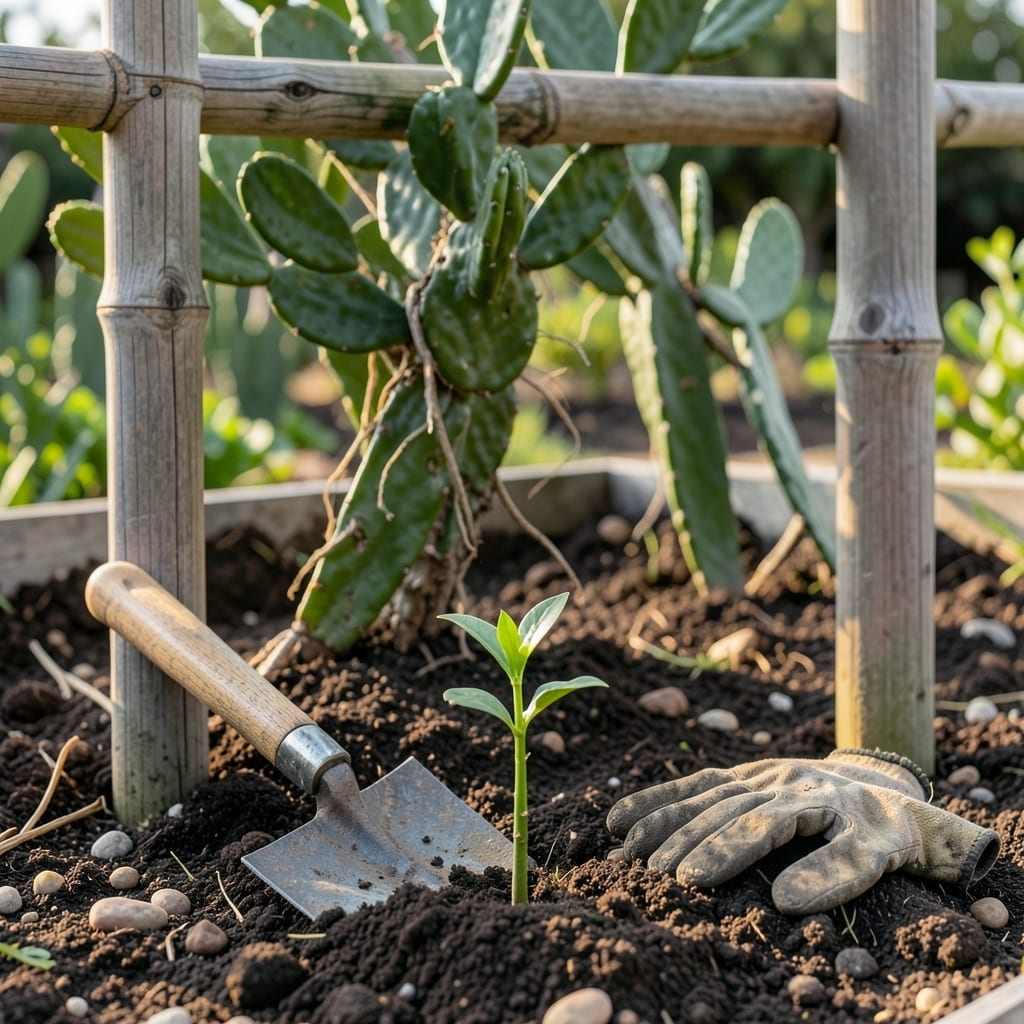
Pitaya, also known as dragon fruit, is a stunning and nutritious addition to any garden. But planting it correctly is the key to a thriving harvest.
This tropical cactus needs the right start to flourish in zones 9b-11. With proper soil prep and care, you’ll be rewarded with beautiful blooms and delicious fruit.
I’ll walk you through every step to grow 🐉 Pitaya successfully. From planting to ongoing maintenance, you’ll learn how to set your garden up for sweet success.
Planting pitaya (dragon fruit) starts with choosing between seeds or cuttings. Seeds take longer to mature but offer genetic diversity, while cuttings provide a faster, more reliable start. Both methods thrive in USDA zones 9b-11 with proper care.
I recommend starting with cuttings for beginners. They establish quicker and often bear fruit sooner. Ensure your climate offers 6+ hours of sunlight daily, as this tropical cactus loves warmth and light.
For soil preparation, mix 50% cactus soil with 30% perlite and 20% compost. This blend ensures excellent drainage while retaining enough moisture for young roots. Avoid heavy clay soils, as they can cause root rot.
If planting from seeds, expect germination in 14-30 days under warm conditions. Keep the soil consistently moist but not soggy. A heat mat can speed up the process in cooler climates.
For cuttings, let the cut end callus over for 2-3 days before planting. This reduces the risk of rot. Dip the end in rooting hormone for faster establishment, then plant in a pot or directly in the ground.
Sunlight is non-negotiable for pitaya. Choose a south-facing location or use grow lights indoors. Insufficient light leads to weak growth and poor fruiting. If growing in containers, rotate plants weekly for even exposure.
Once planted, mulch lightly around the base to retain moisture and suppress weeds. Use organic mulch like wood chips or straw, but keep it a few inches away from the stem to prevent rot.
Monitor temperature closely. Pitaya thrives in 70-100°F but can tolerate brief dips to 32°F. In cooler zones, grow in containers and bring indoors during winter.
With these steps, your pitaya will establish strong roots and begin climbing toward its first beautiful blooms within a year 🌵
Once your pitaya is planted, consistent care ensures strong growth and bountiful fruit. I focus on watering, fertilizing, and pruning to keep my plants thriving in zones 9b-11. Remember, this tropical cactus loves warmth but needs protection from extremes.
Start with a watering schedule of every 7-10 days, adjusting for heat or rain. Always deep soak in the morning to prevent fungal issues. Pitaya is drought-tolerant once established, but young plants need consistent moisture.
For fertilizing, I use a balanced 10-10-10 every 4-6 weeks during active growth. In summer, switch to a light feed to avoid burning roots. Always fertilize in the early morning and water afterward to distribute nutrients.
Pruning is key to a healthy pitaya. Remove dead or diseased stems immediately. In late winter, trim back overgrown vines to encourage new growth and better fruit production. Use clean, sharp pruning shears to prevent damage.
Pitaya vines grow 10-20 feet tall, so support structures are a must. Install a trellis, arbor, or even a chain-link fence for climbing. Secure vines loosely with soft ties to avoid girdling as they thicken.
Watch for pests like ants, scale, or mealybugs. I spray with neem oil at the first sign of trouble. For fungal issues, improve air circulation and avoid overhead watering. Early action prevents major problems 🌵