
Beautiful Plants For Your Interior
Beautiful Plants For Your Interior
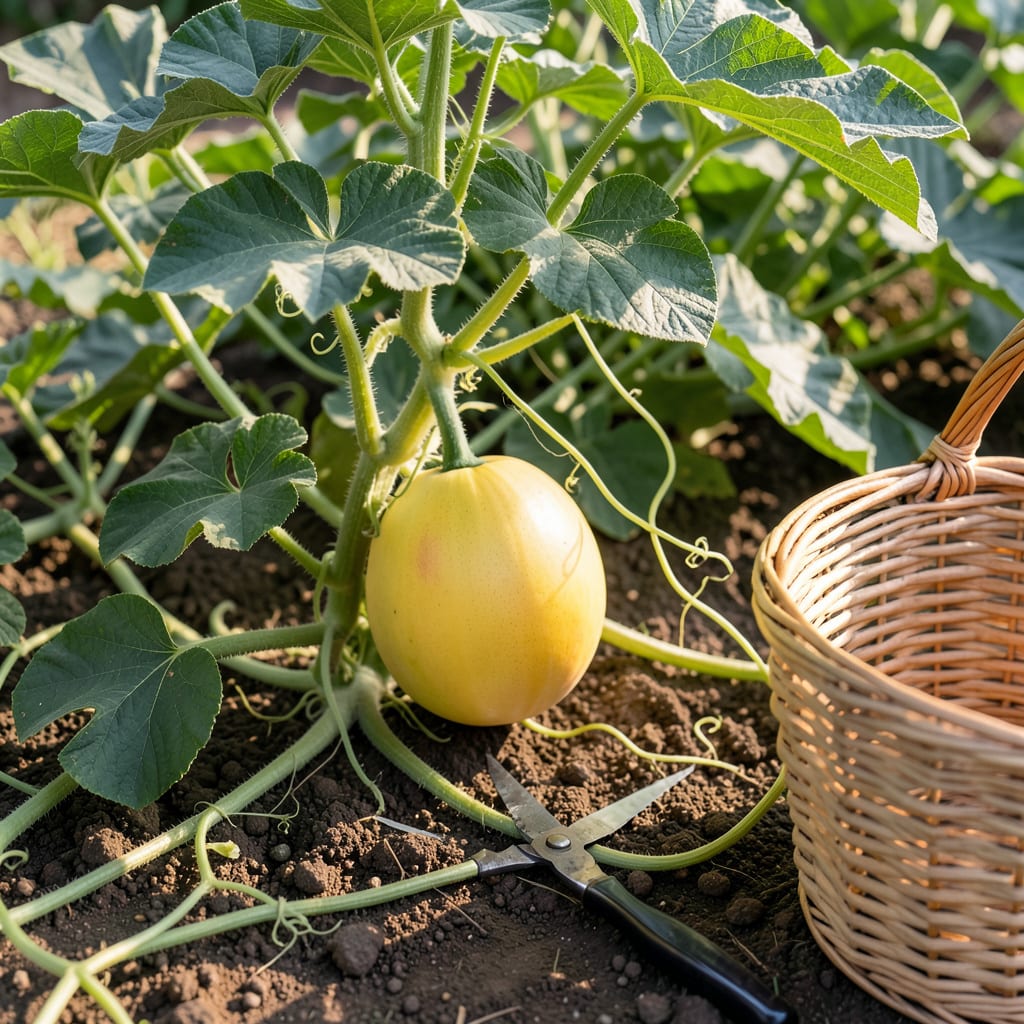
Picking a perfectly ripe 🍈 Canary Melon can be tricky, but knowing the right signs ensures you’ll enjoy its signature sweet, honey-like flavor every time.
I’ll show you exactly what to look for—from the vibrant yellow rind to the telltale aroma that means it’s ready to enjoy.


I always check the rind color first when selecting a Canary Melon. A perfectly ripe one will have a bright golden-yellow hue all over, with no green patches. This is your first visual clue that it’s ready to harvest.
The stem end is another critical spot to examine. A ripe Canary Melon will have a sweet, musky aroma at the stem, which intensifies as it matures. If there’s no smell, it likely needs more time on the vine.
| Sign | What to Look For |
|---|---|
| Rind Color | Bright golden-yellow, no green |
| Stem Aroma | Sweet, musky fragrance |
| Texture | Slight give when pressed |
| Stem Slip | Detaches easily with light tug |
Gently press the blossom end (opposite the stem) of the melon. A ripe Canary Melon will yield slightly under pressure, similar to a ripe avocado. If it’s rock hard, it’s not ready yet.
The stem slip test is a classic indicator. When the melon is ripe, the stem will separate cleanly from the vine with just a light tug. If it doesn’t budge, leave it to ripen further.
Weight matters more than you think. A ripe Canary Melon should feel heavy for its size. This indicates it’s full of juice and sugars. Compare a few melons to get a sense of the right heft.
Don’t overlook the skin texture. While the color is the main indicator, a ripe melon will have a slightly dull finish rather than a shiny one. This subtle change happens as the fruit matures.
If you’re growing your own, harvest in the morning when the melons are at their freshest. The sugars are most concentrated after a cool night, giving you the best flavor possible.
Remember, size isn’t everything. A smaller melon can be just as ripe and flavorful as a larger one. Focus on the color, aroma, and texture instead of just the dimensions.
Finally, if you’re unsure, leave the melon on the vine a little longer. Canary Melons won’t ripen further once picked, so it’s better to wait until you’re certain it’s ready. 🌱
I’ve seen many gardeners pick too early because they focus only on size. A Canary Melon might look big, but if the rind is still green, it’s not ready. Always check the color first before anything else.
Another common error is ignoring the stem. If the stem is firmly attached and doesn’t slip off easily, the melon isn’t ripe. Forcing it off can damage the vine and the fruit. Patience is key here.
Don’t pick melons with green rinds or no aroma. Overly soft melons may be overripe, and ignoring the stem slip test can lead to unripe harvests.
Some people press too hard when testing for ripeness. A gentle touch is all you need. If you’re leaving indentations in the rind, you’re pressing too firmly. The melon should just yield slightly.
Never judge a Canary Melon by its shiny skin alone. While a ripe melon may have a dull finish, some varieties retain a bit of shine. Combine the color, aroma, and feel for the best results.
It’s easy to overlook the blossom end of the melon. This is the best spot to test for slight softness. The stem end might feel firm even when the melon is ripe, so always check both ends.
Finally, don’t assume all melons on the same vine ripen at the same time. Each fruit can mature at a different rate, so check each one individually. Harvesting them all at once might mean some are underripe. 🌱
Timing is everything when it comes to Canary Melons. In most growing zones, these melons reach peak ripeness from July to September. This is when the vine has had enough warm days to develop maximum sweetness.
If you’re growing your own, start seeds indoors 4-6 weeks before the last frost or direct sow after soil temps hit 70°F. The plants need 75-85 days to mature, so plan accordingly for your climate.
Harvest window: July-September. Peak flavor: Morning harvest. Storage: Cool, dry place for 1-2 weeks.
For the best flavor, harvest in the early morning when sugars are most concentrated. If buying from a store, look for melons in late summer for the freshest, sweetest options.
After picking, store Canary Melons at room temperature for a day or two to soften slightly if needed. Once cut, refrigerate in an airtight container for up to 5 days.
Remember, these melons don’t ripen after picking, so timing your harvest is crucial. If you’re in a cooler climate, consider starting plants indoors to extend your growing season. ☀️
Look for a bright golden-yellow rind all over with no green patches. This is the primary visual indicator of ripeness.
Smell the stem end for a sweet, musky aroma. The stronger the fragrance, the sweeter the melon will be. A lack of smell means it needs more time.
Yes! A ripe melon’s stem will separate cleanly from the vine with a light tug. If it resists, leave it to ripen further.
Store at room temperature for 1-2 days to soften slightly. Once cut, refrigerate in an airtight container for up to 5 days.
