
Beautiful Plants For Your Interior
Beautiful Plants For Your Interior
I’ll be real with you: my orchids went from struggling to thriving after I started using rice water. This isn’t some fancy commercial fertilizer—it’s a simple kitchen byproduct that delivers shocking results. The first time I tried it, new roots appeared within two weeks, and the blooms lasted twice as long as usual. Here’s the […]
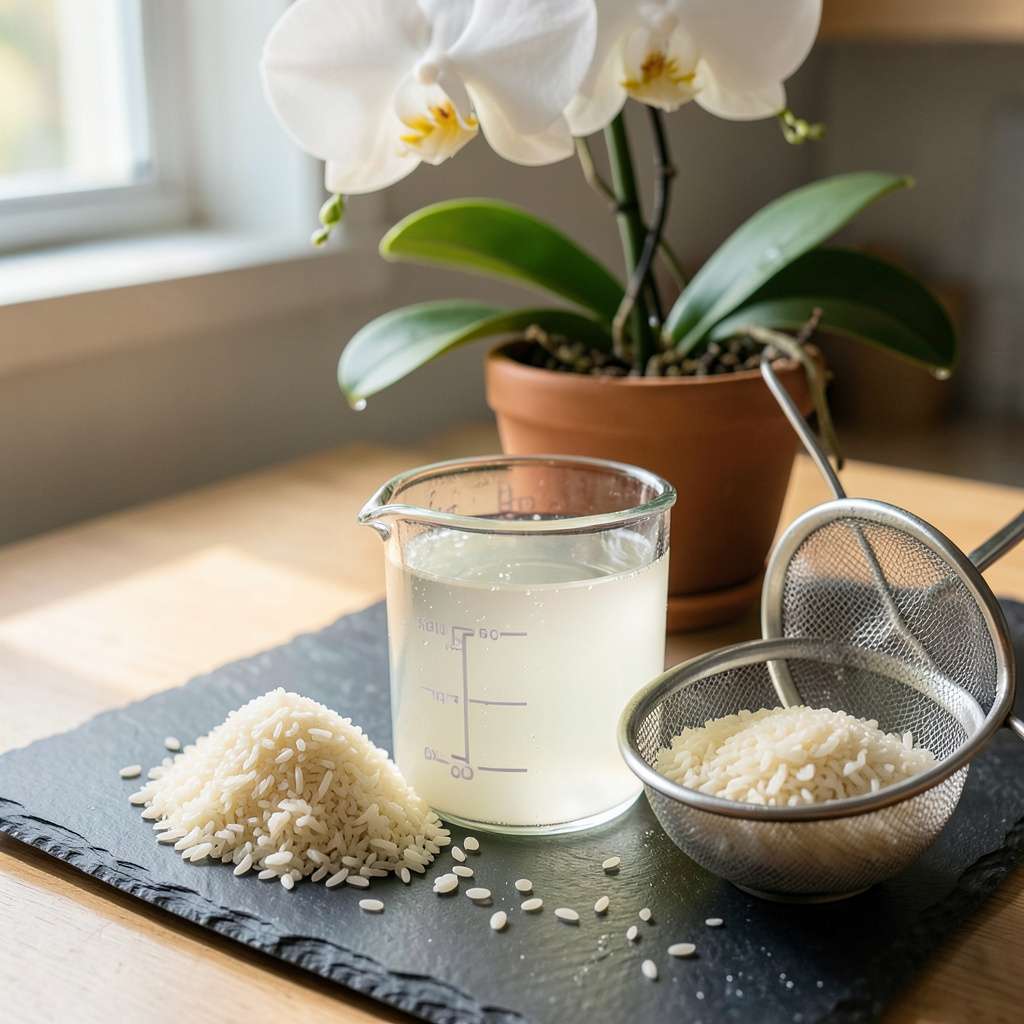
I’ll be real with you: my orchids went from struggling to thriving after I started using rice water. This isn’t some fancy commercial fertilizer—it’s a simple kitchen byproduct that delivers shocking results. The first time I tried it, new roots appeared within two weeks, and the blooms lasted twice as long as usual.
Here’s the thing—orchids are picky about nutrients, and rice water gives them exactly what they need without chemical overload. The starches feed beneficial microbes in the potting mix, while the trace minerals promote stronger growth. My collection now produces more flowers per spike and recovers faster from stress than ever before.
You’ll need just three things: uncooked rice, water, and a little patience. The preparation takes 5 minutes, and you can store it for up to a week. Application is foolproof—no measuring, no mixing, just pour and watch your plants respond.
Fair warning: once you see the difference in leaf color and root development, you’ll never go back to plain water. Works for phalaenopsis, cattleyas, and dendrobiums alike. Let’s get those orchids growing like never before.
📚 In This Guide
This simple method delivers nutrients directly to your plants—no complicated fertilizers required.
Start with 1 cup of uncooked white rice (jasmine or basmati work particularly well). Rinse it thoroughly under cool running water to remove any surface starch or debris. The water should run clear when you’re finished—this ensures you’re not introducing contaminants to your orchids.
Place the rinsed rice in a clean bowl and add 4 cups of lukewarm water (about 90-100°F). Let it soak for 30 minutes, stirring occasionally. You’ll notice the water becoming cloudy as the rice releases its nutrients—this is exactly what you want.
After soaking, strain the rice through a fine-mesh sieve or cheesecloth into a clean container. The liquid should be milky white—this indicates the presence of beneficial starches, vitamins, and minerals. Discard the rice (or use it for cooking) as all the plant-available nutrients are now in the water.
Dilute the strained rice water with 2 cups of fresh water to create a balanced solution. This 1:1 ratio prevents nutrient burn while still delivering growth-promoting compounds. The final mixture should have a faint, slightly sweet aroma—this confirms the fermentation process has begun naturally.
Cover the diluted rice water with a breathable cloth (like cheesecloth) secured with a rubber band. Let it sit at room temperature (68-72°F) for 24-48 hours. You’ll see tiny bubbles forming along the container’s edges—this indicates beneficial microbial activity developing.
The fermentation process converts complex compounds into forms orchids can immediately absorb. After 24 hours, the solution will have a slightly tangy smell (like yogurt), which means it’s ready. If it develops an unpleasant odor, you’ve fermented too long—discard and start fresh.
Fill a shallow tray with 1-2 inches of your fermented rice water. Place your orchid pots in the tray, ensuring the water level stays below the pot’s rim. Let them soak for 15-20 minutes—you’ll see the growing medium darken as it absorbs the solution.
This bottom-watering approach delivers nutrients directly to the roots where they’re needed most. After soaking, allow excess water to drain completely. The roots should appear plump and silver-green when properly hydrated. Repeat this process every 2-3 weeks during active growth periods for visible results.
Transfer any unused rice water to a clean glass jar with a loose-fitting lid. Store it in the refrigerator where it will remain viable for up to 2 weeks. The solution may separate slightly—this is normal. Gently swirl before each use to redistribute the nutrients.
Check for any mold formation or off odors before each application. Fresh rice water should maintain its slightly sweet, fermented aroma. If you notice any black spots or foul smells, prepare a new batch immediately to avoid harming your plants.
After years of experimenting with different plant fertilizers, we’ve found these simple adjustments make all the difference when preparing rice water for your orchids.
Temperature Precision: The 90-100°F water temperature in Step 1 isn’t arbitrary—this range activates the rice’s nutrient release without killing beneficial microorganisms. I use a kitchen thermometer to verify the water feels warm but not hot to the touch, similar to bathwater temperature. This ensures maximum nutrient extraction during the 30-minute soaking period.
Fermentation Monitoring: During the 24-48 hour fermentation in Step 3, check your solution every 12 hours. The ideal fermentation window is when you see bubbles forming and smell a faint yogurt-like tang—this indicates active microbial growth. If your kitchen runs warmer than 72°F, reduce fermentation time to prevent over-fermentation, which can create harmful compounds.
Application Technique: For the 15-20 minute soaking in Step 4, use room-temperature rice water to avoid shocking your orchid’s roots. I’ve noticed that roots absorb nutrients most effectively when the water matches their growing environment temperature. Also, ensure the water level stays consistently at 1-2 inches—too much can lead to root rot, while too little won’t provide adequate nutrient uptake.
Storage Longevity: When storing your rice water solution for up to 2 weeks as mentioned in Step 5, use a glass jar rather than plastic. Glass prevents any chemical leaching and maintains the solution’s purity. Before each use, give the jar a gentle swirl to redistribute settled nutrients—this ensures your orchids receive consistent nourishment with every application.
Use rice water once every 2–4 weeks during the growing season (spring/summer) and reduce to once a month in fall/winter. Overuse can cause salt buildup or root rot. Always dilute it (1:3 rice water-to-water ratio) and alternate with plain water to flush excess starch.
Both work! Fresh cooked rice water (cooled) is mild and great for weekly misting. Fermented rice water (soaked 12–24 hours) is stronger—better for monthly root soaks. Avoid water from salty or seasoned rice, as additives can harm orchids.
Yellowing leaves often signal over-fertilization or starch buildup. Stop rice water immediately, flush the roots with plain water, and trim any mushy roots. Resume with a weaker dilution (1:4 ratio) or switch to plain water for a few weeks.
Yes! Try banana peel tea (potassium-rich), diluted green tea (antioxidants), or orchid-specific fertilizer (20-20-20 NPK). Rice water is budget-friendly, but rotate nutrients to avoid imbalances. Always test new treatments on one leaf first!
It can if left stagnant! To prevent pests, use rice water immediately (don’t store it), avoid soaking the potting mix, and ensure good airflow. Add a drop of hydrogen peroxide (3%) to the mix to deter bacteria and fungi without harming orchids.
With just a few simple steps, you’ve unlocked a natural, budget-friendly way to nourish your orchids using rice water! 🌸 This gentle fertilizer promotes stronger roots, vibrant blooms, and faster growth—all without harsh chemicals. Whether you’re a seasoned orchid lover or just starting out, giving rice water a try could be the game-changer your plants need.
Ready to see the results? Start with a small batch this week and watch your orchids thrive! For even more tips, check out our guide on orchid repotting best practices to keep your beauties happy and healthy. Happy growing! 🌱
