
Beautiful Plants For Your Interior
Beautiful Plants For Your Interior
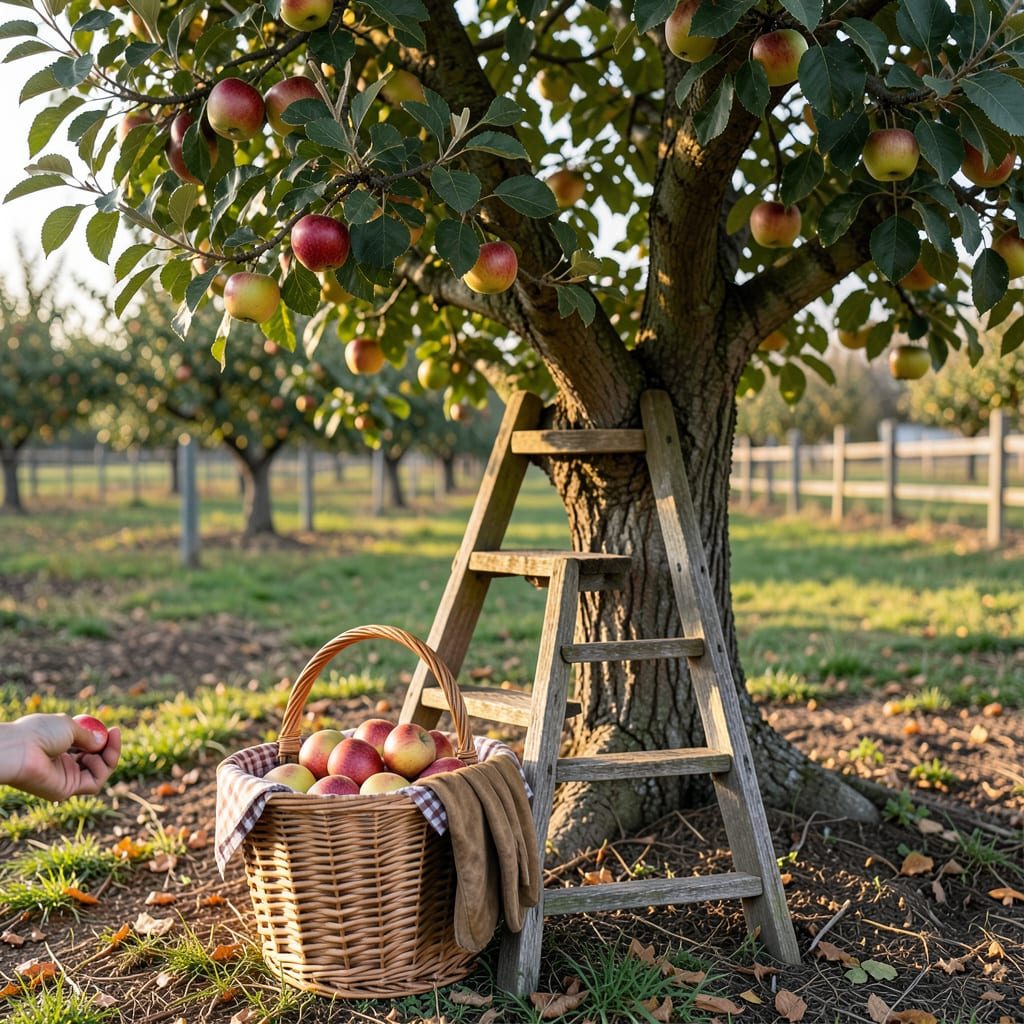
There’s nothing worse than biting into an apple that’s still tart and underripe—or worse, mealy and overripe. That perfect balance of sweetness and crispness? It all comes down to one critical moment in the harvest.
Most growers rely on guesswork, but I’ve found a foolproof way to nail the timing every time. Whether you’re harvesting a single tree or an entire orchard, this method will change how you pick apples forever. Let’s cut through the confusion and get it right.


If you’ve ever bitten into a freshly picked apple only to find it tart and mealy, you know the frustration of harvesting too soon. While skin color and firmness offer clues, the seed color test is the most foolproof method. It’s science-backed and works for every variety, from Honeycrisp to Granny Smith.
Apples ripen from the inside out, and their seeds change color as they mature. White or light tan seeds mean the fruit isn’t ready, while dark brown seeds signal peak ripeness. This test takes the guesswork out of timing, especially for varieties with misleading skin colors (like green apples that stay green when ripe).
💡 Pro Tip: Perform this test 1-2 weeks before your expected harvest date to plan ahead.
The seed test works because apples produce ethylene gas as they ripen, which triggers seed darkening. Unlike skin color—affected by sunlight, variety, or even early frost—seed color is a direct indicator of internal maturity. This is why commercial growers rely on it for large-scale harvests.
For home gardeners, this method is especially useful if you’re growing heirloom varieties or less common types like Ashmead’s Kernel or Cox’s Orange Pippin. These apples often have subtle skin changes, making visual cues unreliable. The seed test gives you confidence, even with tricky varieties.
What if the seeds are partially brown? This means the apple is in the “climacteric” ripening phase—it’ll continue ripening off the tree, but flavor and texture won’t be optimal. For the best eating experience, wait until seeds are uniformly dark brown before harvesting the entire crop.
Combine the seed test with other ripeness signs for double confirmation. For example, if seeds are brown and the apple’s skin has developed its full color (red, yellow, or deep green, depending on the variety), you’re good to go. I also check the stem separation: a ripe apple should come off with a gentle twist, leaving the stem attached to the fruit.
One common mistake is testing apples after a heavy rain. Water uptake can temporarily swell the fruit, making seeds appear darker than they are. Wait 2-3 dry days after rain before performing the test for accurate results. Similarly, avoid testing during extreme heatwaves, which can accelerate ripening unevenly.
If you’re growing organic apples, the seed test is even more critical. Without synthetic ripening agents, natural maturity cues become your best guide. I’ve found that organic apples often take 1-2 weeks longer to ripen compared to conventionally grown ones, so patience—and seed checks—are key.
Finally, remember that storage life depends on harvest timing. Apples picked at peak ripeness (dark brown seeds) will store for 2-3 months in cool conditions, while underripe fruit may shrivel or develop off-flavors. Use the seed test to time your harvest for both immediate eating and long-term storage success.
Next time you’re unsure, grab a knife and check those seeds. It’s the simplest, most accurate way to guarantee sweet, crisp apples every time—no advanced tools or guesswork required. Your taste buds (and your apple tree) will thank you! 🌳
While the seed color test is my go-to method, I always cross-check with these visual cues to confirm ripeness. Apples rarely lie about their readiness—you just need to know what to look for. Here’s how I spot the perfect harvest window every time.
First, examine the base color (the skin beneath any red or yellow blush). For most varieties, this shifts from bright green to a creamy yellow when ripe. A dull, matte finish also signals readiness, while shiny skin often means it’s still developing.
⚠️ Pro tip: Test 2-3 apples from different branches—ripeness can vary!
For red varieties like Red Delicious, the blush deepens to a rich, uniform crimson. With green apples (Granny Smith), the hue mutes slightly, losing its grassy brightness. I always compare apples high in the canopy (they ripen first) to those lower down.
The “lift-and-twist” test is my favorite tactile check. Gently cup the apple, tilt it upward, and give a slight twist. If it releases cleanly with the stem intact, it’s ready. If it resists, wait 3-5 days and retest. Avoid yanking—this damages next year’s fruit spurs.
Watch for “June drop” (early-season fruit shed) vs. harvest drop. The latter happens when apples are fully ripe—usually just 1-2 per tree. If you’re seeing more, a windstorm or pest might be the culprit, not ripeness.
Finally, trust your nose! Ripe apples develop a distinct sweetness at the stem end. Sniff a few daily as harvest nears. If they smell like fresh cider, it’s go time. Pair this with the seed test, and you’ll never pick a subpar apple again. 🪴
Not all apples ripen on the same schedule—early-season varieties like Zestar! or Lodi can be ready by late July, while late-season types such as Pink Lady or Fuji may hang on the tree until October. Knowing your variety’s timeline prevents disappointment.
Climate plays a huge role too. In cooler zones (USDA 4-5), apples often ripen 2-3 weeks later than in warmer areas (Zones 6-7). A late frost in spring can delay harvest by 7-10 days, while a hot summer might speed it up. Always adjust your expectations based on the season’s weather patterns.
| Variety | Harvest Window | Seed Color at Ripeness | Storage Potential |
|---|---|---|---|
| Honeycrisp | Mid-Sept to early Oct | Dark brown | 3-4 months |
| Gala | Late Aug to mid-Sept | Medium brown | 2-3 months |
| Granny Smith | Mid-Oct to early Nov | Deep brown | 4-5 months |
| Fuji | Early to mid-Oct | Dark brown | 5-6 months |
| Golden Delicious | Mid-Sept to early Oct | Light brown | 2 months |
💡 Note: Adjust dates by 1-2 weeks based on your local climate and seasonal weather.
For early-season apples, I start checking seeds 2 weeks before the expected harvest window. Varieties like Paula Red or Jersey Mac can go from underripe to overripe in just 5 days during hot spells. Late-season types, like Rome or Winesap, hold on the tree longer but benefit from a final seed check before picking.
If you’re growing heirloom varieties (like Cox’s Orange Pippin), expect a longer ripening period—sometimes 140+ days after bloom. These apples often develop complex flavors but require patience. I mark my calendar for 120 days post-bloom as the “start checking” date for these slower-maturing types.
Don’t forget pollination partners can affect ripening times. Apples on trees with poor cross-pollination may mature unevenly or later than expected. If your tree had light blossoms in spring, plan to test seeds 1-2 weeks later than the typical window for that variety. 🌿
Start testing 2-3 times per week as your expected harvest date approaches. Early-season varieties can ripen quickly—sometimes in just 5-7 days—while late-season apples may need weekly checks over 2-3 weeks. Always test after a heatwave or heavy rain, as these can accelerate or delay ripening.
A light frost often sweetens apples by converting starches to sugar, but a hard freeze (below 28°F) can damage fruit texture. Harvest immediately if frost is forecast—ripe apples store better than frozen ones. Varieties like Fuji or Granny Smith tolerate light frost better than thin-skinned types like Golden Delicious.
Apples on the sunny side or higher branches ripen first due to more sunlight and warmth. Thinning fruit early in the season also promotes even ripening. If you notice uneven maturity, prioritize picking the ripest apples first to avoid overripeness while others catch up.
Pick apples in the early morning when temperatures are cool. This helps preserve crispness and flavor, as heat can soften fruit. Avoid harvesting during midday sun—the apples (and you!) will stay fresher longer. Use a gentle twisting motion to prevent bruising.
Store excess apples in a cool, dark place (like a root cellar) at 32-40°F with 90% humidity. Wrap each apple in newspaper to prevent ethylene gas buildup, which speeds spoilage. Check weekly for soft spots—one bad apple can ruin the bunch! Properly stored apples last 1-6 months, depending on variety.
