
Beautiful Plants For Your Interior
Beautiful Plants For Your Interior
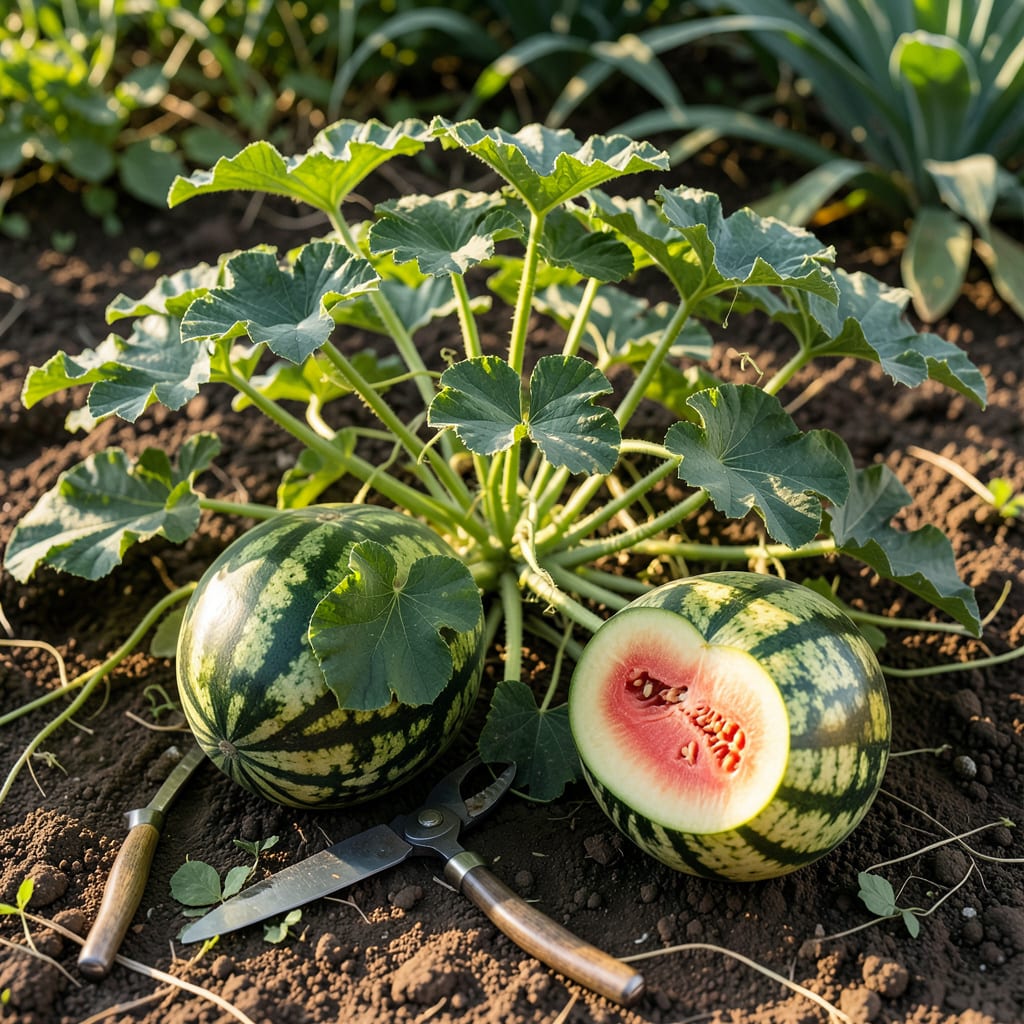
Nothing beats the sweet crunch of a perfectly ripe 🍉 fresh from your garden. But picking it too early or too late can ruin the experience.
I’ll show you the most reliable signs to look for when harvesting Watermelon. These simple checks will ensure you get that ideal flavor every time.


Timing your watermelon harvest perfectly ensures the sweetest flavor. I rely on five foolproof signs to know when my melons are ripe and ready to pick. These cues are easy to spot with a little practice.
First, I always check the tendril near the stem. When it turns brown and dry, the melon is typically ready. This is one of the most reliable indicators for gardeners.
Next, I look at the ground spot, where the melon rests on the soil. A creamy yellow color means it’s ripe, while a white or pale green spot signals it needs more time.
The rind’s appearance is another giveaway. A dull, matte finish replaces the shiny look of unripe melons. I also press my thumbnail into the rind—if it doesn’t pierce easily, it’s ready.
For the thump test, I tap the melon with my knuckles. A deep, hollow sound means it’s ripe, while a high-pitched or flat sound suggests it’s not quite there yet.
I also consider the days to maturity for my variety. Most watermelons take 70 to 100 days from planting to harvest. Checking the seed packet helps me estimate the right timeframe.
Weather plays a role too. I harvest in the morning when temperatures are cooler to preserve freshness. Avoid picking after heavy rain, as excess water can dilute the sweetness.
Finally, I inspect the stem. If it starts to dry out where it meets the melon, that’s another sign of readiness. Combining all these cues ensures I never pick a watermelon too early.
With these simple checks, I confidently harvest watermelons at their peak every time. It’s satisfying to see my hard work pay off with a perfectly ripe, sweet melon. ☀️
Even experienced gardeners can make harvesting mistakes that result in underripe or overripe watermelons. I’ve learned the hard way that timing and technique matter just as much as the ripeness signs themselves. ☀️
One of the most common errors is harvesting too early. Picking before the tendril turns brown or the ground spot yellows means you’ll miss out on that peak sweetness. Patience is key with watermelons.
Harvesting Too Soon: Picking before the tendril dries results in underripe, less sweet melons.
Ignoring the Ground Spot: A white or green spot means the melon isn’t ready yet.
Cutting the Vine Wrong: Always use clean, sharp pruners to avoid damaging the plant.
Harvesting in Heat: Picking during hot afternoons can reduce freshness and flavor.
Another mistake is ignoring the ground spot. If it’s still white or pale green, the melon needs more time on the vine. I check this spot first because it’s one of the easiest and most reliable indicators.
I also see gardeners cutting the vine improperly. Using a dull blade or tearing the stem can harm the plant and reduce the quality of remaining fruits. Always use sharp pruners and cut 1-2 inches from the melon.
Harvesting during hot weather is another misstep. I always pick my watermelons in the early morning when temperatures are cooler. This helps preserve the fruit’s freshness and sweetness.
Finally, don’t rely on just one ripeness test. Combining multiple signs—like the tendril, ground spot, and thump test—gives the most accurate results. I use at least three checks before deciding it’s time to harvest. 🌱
Different watermelon varieties have slightly different ripeness signs. I’ve learned that understanding these nuances helps me harvest each type at its peak. The classic tests still apply, but timing varies by cultivar.
Sugar Baby watermelons are small and quick to mature, often ready in 75 to 80 days. Their deep red flesh and thin rind make them a favorite. I check the tendril and ground spot first for this variety.
| Variety | Days to Maturity | Ripeness Clues |
|---|---|---|
| Sugar Baby | 75-80 days | Tendril dries, ground spot yellows early |
| Crimson Sweet | 80-85 days | Deep thump sound, rind turns dull |
| Carolina Cross | 90-100 days | Large ground spot, heavy for size |
Crimson Sweet typically takes 80 to 85 days. This variety is known for its sweet, crisp texture. I listen for a deep, hollow thump and look for a dull rind to confirm ripeness.
Carolina Cross is a larger variety, often needing 90 to 100 days. Its thick rind and size can be misleading. I rely on the ground spot turning yellow and a heavy feel for its size.
For all varieties, I combine multiple signs. The tendril test and ground spot are universal, but maturity days help me time my checks. Harvesting at the right moment ensures the best flavor and texture. 🌱
Look at the curly tendril closest to the stem. When it turns brown and dry, your melon is ready. This is one of the most reliable indicators for perfect timing.
A yellow or cream-colored spot where the melon touches the soil means it’s ripe. If it’s still white or pale green, leave it on the vine a little longer.
Yes! Tap the melon with your knuckles. A deep, hollow sound indicates ripeness, while a flat or high-pitched sound means it needs more time.
Avoid picking immediately after rain. Excess water can dilute the sweetness. Wait for a dry morning to harvest for the best flavor.
