
Beautiful Plants For Your Interior
Beautiful Plants For Your Interior
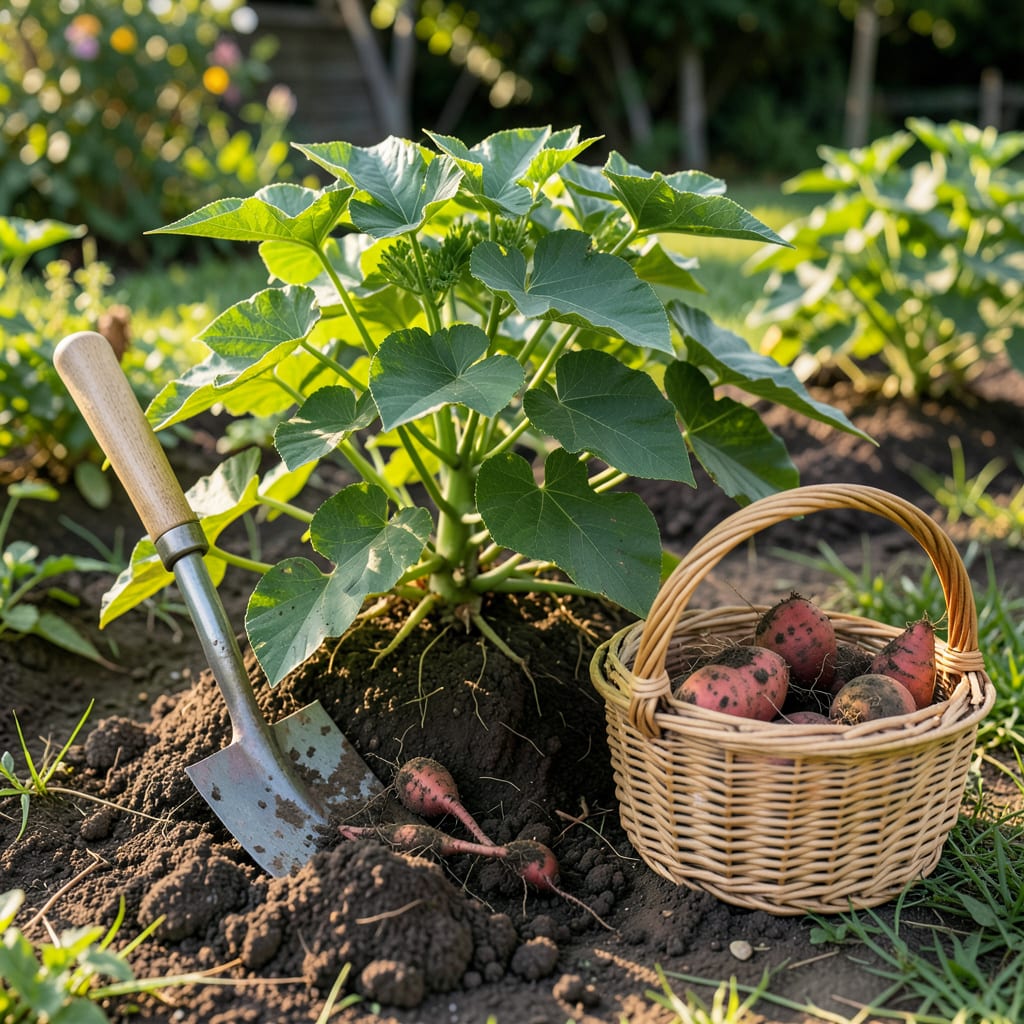
Timing is everything when it comes to harvesting 🍠 Sweet Potato. Picking too early or too late can mean the difference between a flavorful bounty and a disappointing haul.
I’ll show you the most reliable signs to watch for—from leaf changes to tuber size—so you can pull your crop at its peak. Let’s get you ready for harvest season.


Knowing when to harvest sweet potatoes starts with observing the vines and leaves. As the plants mature, the vines begin to yellow and may even start to die back. This is nature’s first clue that the tubers below are nearing readiness.
The leaves are another indicator. When they start to turn brown or wilt, it’s a strong sign that the sweet potatoes have reached their peak size and sweetness. These changes typically occur 90-120 days after planting. ☀️
| Sign | Description |
|---|---|
| Vines Yellowing | Vines turn yellow or brown as tubers mature |
| Leaves Wilting | Leaves die back or brown at edges |
| Firm Skins | Resist scratching when gently rubbed |
| Tuber Size | 3-5 inches long and plump |
Another key indicator is the tuber size and skin texture. Mature sweet potatoes typically measure 3-5 inches in length and have smooth, firm skins that resist scratching. If the skins are thin or easily damaged, the tubers likely need more time.
I always check the soil around the base of the plant. If you notice cracks or bulges in the soil, it often means the sweet potatoes are pushing against their surroundings as they grow. This is a subtle but reliable sign of maturity.
Timing also depends on your climate zone. In warmer regions, sweet potatoes may mature faster due to consistent heat. Cooler climates might require the full 120 days for tubers to fully develop. Always monitor local weather as the first frost can damage the crop.
For the best flavor and storage life, I recommend harvesting before the first frost. Sweet potatoes are sensitive to cold, and exposure to freezing temperatures can ruin the tubers. If frost is forecasted, it’s better to dig them up early rather than risk damage.
If you’re unsure, try the “test dig” method. Gently dig around the base of a plant and check the size and skin of one tuber. If it meets the maturity signs, it’s safe to harvest the rest. If not, give them another week or two.
Remember, over-mature sweet potatoes can become fibrous or split. If the vines have completely died back and the soil is very dry, it might be too late for the best quality. Aim to harvest when the plants show early signs of decline.
Finally, post-harvest care is just as important as timing. After digging, let the tubers cure in a warm, humid place for about 10 days to improve their flavor and storage potential. This step ensures your hard work pays off with the best-tasting sweet potatoes. 🌱
The ideal harvest window for sweet potatoes isn’t just about time—it’s about temperature and climate. In warmer regions, tubers may mature faster due to consistent heat, often ready in as little as 90 days. Cooler areas typically need the full 120 days for full development.
Soil temperature plays a critical role. Sweet potatoes thrive in soil above 75°F. If your region experiences early cooling, the tubers may take longer to reach their optimal size and sweetness. ☀️
I always recommend monitoring local weather forecasts as harvest time approaches. A sudden cold snap can damage the vines and tubers, making it crucial to dig them up early if frost is predicted. Even a light frost can ruin the crop.
In areas with short growing seasons, consider planting early-maturing varieties like Georgia Jet or Beauregard, which can produce a crop in as little as 90 days. These varieties are ideal for northern gardeners who need to beat the frost.
For those in southern regions, you might have the luxury of a longer growing season. This allows for larger tubers and potentially a second harvest if you stagger your planting times. Just ensure the soil stays warm and well-drained.
Remember, consistent moisture is key. While sweet potatoes are drought-tolerant, inconsistent watering can lead to cracked or misshapen tubers. Aim for 1-2 inches of water per week, tapering off as harvest nears to toughen the skins. 🌱
Harvesting sweet potatoes at the wrong time can undermine months of care. One of the biggest mistakes I see is digging too early. Tubers need 90-120 days to reach full size and sweetness. 🌱
Another common error is waiting too long. Over-mature tubers can become fibrous or split, especially if the soil dries out completely. If the vines die back entirely, the crop may already be past its prime.
Harvesting too early results in small, underdeveloped tubers with thin skins. Waiting too long risks fibrous, cracked, or split sweet potatoes.
Improper post-harvest handling is another issue. Sweet potatoes need to cure for 10 days in a warm, humid environment to develop their best flavor and storage potential. Skipping this step can lead to poor taste and spoilage. ☀️
Using the wrong tools can also cause damage. Avoid sharp spades or forks that might pierce the tubers. Instead, use your hands or a dull garden fork to gently lift them from the soil.
Finally, ignoring weather conditions can ruin your crop. Always harvest before the first frost, as cold temperatures can damage the tubers. If frost is forecasted, dig them up early to preserve quality. 🌿
You’ll get small tubers with thin skins that don’t store well. These underdeveloped sweet potatoes often lack full sweetness and size. Wait until vines show yellowing for best results.
Never risk it! Even light frost can damage tubers. Dig them up immediately if cold weather is forecasted, even if vines still look healthy.
Gently brush soil away from the base of a plant. If you see 3-5 inch tubers with firm skins, they’re ready. Check a few plants for consistency.
This usually happens when they’re left too long in dry soil. Harvest when vines first yellow to prevent cracking and maintain quality.
