
Beautiful Plants For Your Interior
Beautiful Plants For Your Interior
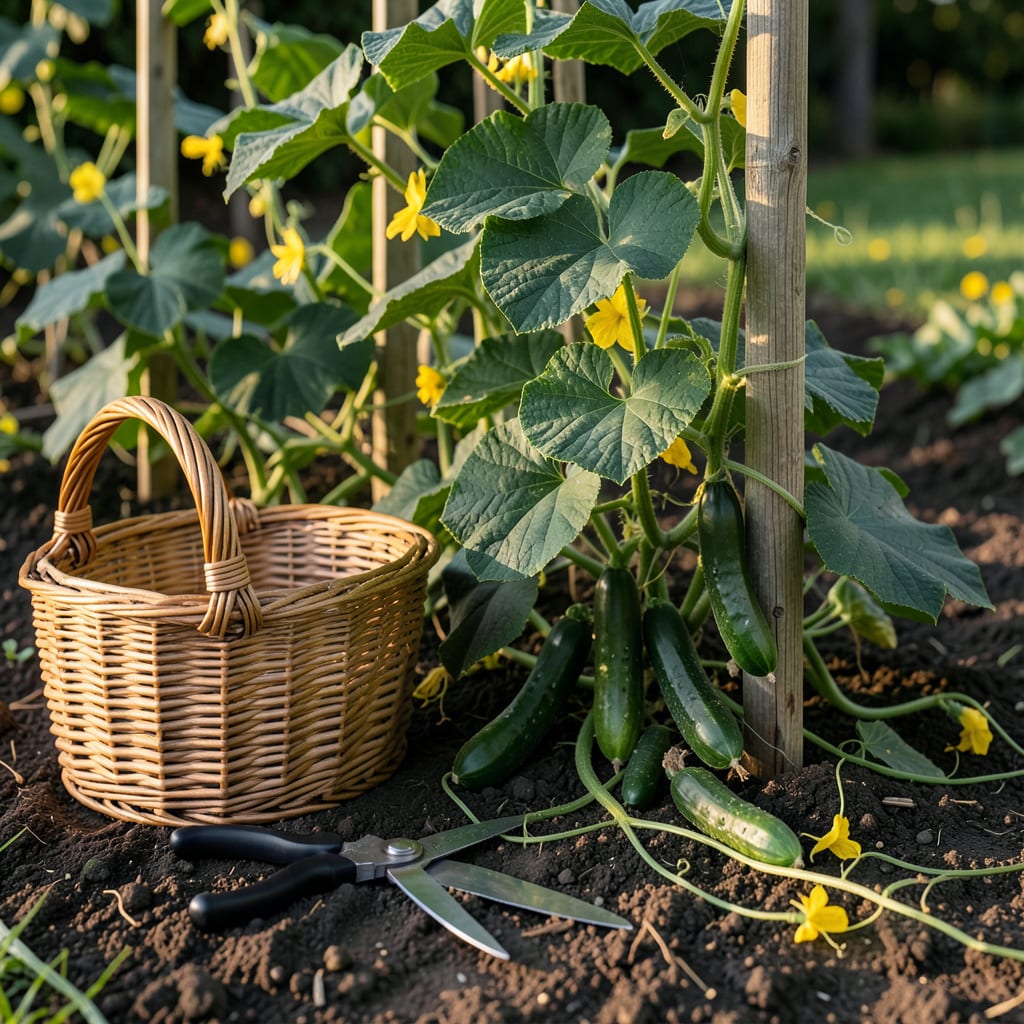
There’s nothing worse than biting into a cucumber that’s past its prime. With the 🥒 Cucumber harvest window spanning July – September, timing is everything for that perfect crunch.
I’ll show you the exact visual and tactile cues to look for, so you never have to guess again. From size to color, these simple checks ensure peak flavor every time.


I always check for bright green color first—this is the most obvious sign your cucumbers are nearing ripeness. A dull or pale hue means they’re not quite there yet. The skin should look smooth and glossy, not waxy or rough.
Next, I examine the size and shape. Most slicing varieties are ready at 6-8 inches long, while pickling types are best at 2-4 inches. Long English cucumbers can grow up to 12-14 inches without becoming bitter.
| Variety | Ideal Size | Color | Texture |
|---|---|---|---|
| Slicing | 6-8 inches | Deep green | Firm |
| Pickling | 2-4 inches | Bright green | Crisp |
| English | 12-14 inches | Dark green | Smooth |
I also look for firmness when gently squeezing the cucumber. A ripe one should feel solid all the way through, with no soft spots. If it gives slightly under pressure, it’s likely overripe and may have large seeds inside.
The stem end offers another clue. A ripe cucumber will have a dry stem that’s starting to brown. If the stem is still green and pliable, the cucumber isn’t ready. This is especially true for burpless varieties.
For yellow cucumbers, the color should be a vibrant lemon yellow, not pale or greenish. These varieties are often sweeter when fully colored. I’ve found they also tend to have thinner skins, so handle them gently.
I always check the underside of the cucumber too. Sometimes the color develops unevenly, especially if the fruit was shaded by leaves. A uniform color on all sides is a good indicator of even ripening.
If you see white or yellow streaks, don’t panic—this is normal for some heirloom varieties. But if the entire cucumber is turning yellow or orange, it’s likely overripe and may taste bitter.
I recommend harvesting in the early morning when cucumbers are most crisp. This is when their water content is highest. Plus, the cooler temperatures make the picking process more comfortable for you and less stressful for the plants.
Finally, I watch for bulging or swelling near the blossom end. This can indicate that the seeds inside are maturing too quickly, which affects texture. If you notice this, it’s time to pick immediately, even if the cucumber hasn’t reached its full size.
Regular harvesting actually encourages more production. I make it a habit to check my plants every 2-3 days during peak season. This prevents any cucumbers from becoming overripe and keeps the vines productive.
I rely on the fingernail test as my go-to method. Gently press your fingernail into the cucumber’s skin. If it leaves a small indentation that bounces back, it’s ready. If it doesn’t, the cucumber may be overripe or underripe.
Another reliable check is the weight assessment. A ripe cucumber should feel heavy for its size, indicating high water content. Lighter cucumbers often lack flavor and juiciness. I’ve found this works especially well for long English varieties.
The stem inspection is particularly useful for burpless cucumbers. A ripe one will have a dry, woody stem that detaches easily. If the stem is still green and supple, wait a few more days before picking.
I also listen for a hollow sound when tapping the cucumber lightly. A dull thud can indicate overripeness, while a crisp sound suggests it’s at peak ripeness. This takes practice, but it’s a handy trick once you get the hang of it.
For pickling cucumbers, I check the blossom end. It should be slightly softer than the rest of the cucumber, but not mushy. If it’s rock-hard, the cucumber isn’t ready yet. If it’s too soft, it’s past its prime.
I avoid the common mistake of waiting for yellowing. While some varieties turn yellow when ripe, most cucumbers should be harvested while still green. A yellow hue often means they’re overripe and bitter. ✂️
I’ve learned that harvest timing varies significantly between cucumber types. Pickling cucumbers are best when small, typically 2-4 inches long, while slicing varieties shine at 6-8 inches. Each type has its own perfect window.
Long English cucumbers can grow much larger—up to 12-14 inches—without turning bitter. I always check their skin texture too, as these should remain smooth and thin when ripe. ☀️
| Variety | Harvest Size | Days to Maturity | Key Trait |
|---|---|---|---|
| Pickling | 2-4 inches | 50-55 days | Crisp texture |
| Slicing | 6-8 inches | 60-65 days | Thick skin |
| English | 12-14 inches | 55-60 days | Seedless |
I find that early harvesting often yields the best flavor. For example, pickling cucumbers left too long become seedy and tough. Meanwhile, slicing cucumbers develop a milder taste when picked at the right size.
With heirloom varieties, I watch for unique color patterns. Some develop stripes or mottling when ripe. I also note that yellow cucumbers should be harvested when fully colored, as they don’t continue ripening off the vine.
I’ve noticed that regular harvesting keeps plants productive. When I pick cucumbers every 2-3 days, the vines continue producing new fruit. This is especially true for indeterminate varieties that keep growing and fruiting.
For container-grown cucumbers, I check daily during peak season. These often mature faster due to consistent watering and warmth. I also find they tend to be more uniform in size than ground-planted ones. ✂️
Picking too soon results in small, underdeveloped cucumbers with thin skins and poor flavor. They’ll lack the crisp texture and sweetness of fully mature ones.
Check every 2-3 days during peak production. Cucumbers grow quickly and can become overripe, bitter, or seedy within days.
Only if they’re a yellow variety. For green types, yellowing means they’re overripe and bitter. Pick them when they reach their variety’s ideal size and color.
Bitterness comes from compounds that develop in overripe cucumbers or those grown with inconsistent watering. Harvest at the right size and keep soil evenly moist.
