
Beautiful Plants For Your Interior
Beautiful Plants For Your Interior
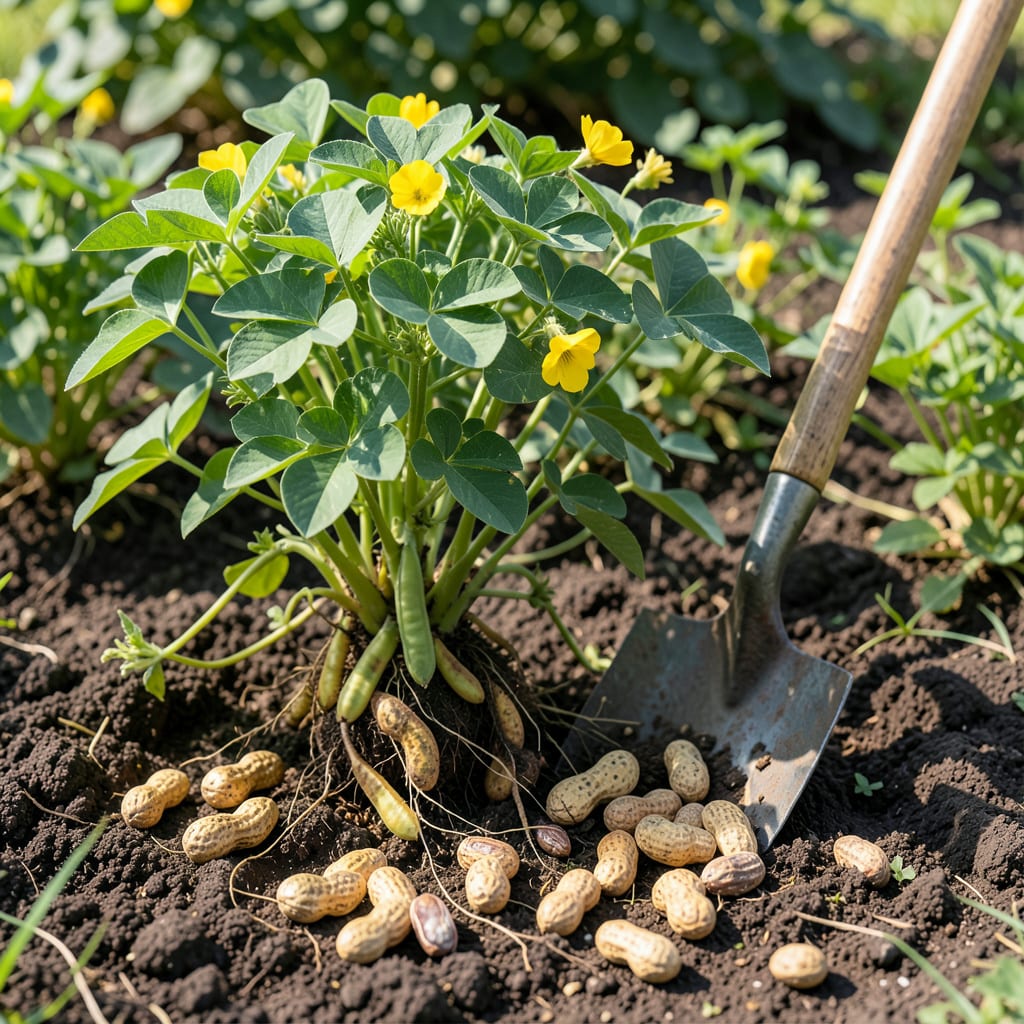
Harvesting Peanuts 🥜 at the perfect moment can make or break your crop’s flavor and yield. Unlike most vegetables, their maturity signs hide underground where you can’t see them.
I’ll show you the most reliable ways to check for readiness without damaging your plants. These simple tricks will help you time your harvest perfectly every season.


Timing your peanut harvest perfectly starts below the surface. Since the pods develop underground, you’ll need to check them directly for the most accurate signs of maturity.
I recommend gently digging up a few test plants when you notice the above-ground signs I’ll mention later. This lets you inspect the pods without harming the rest of your crop.
| Sign | What to Look For |
|---|---|
| Pod Development | Fully formed and plump |
| Shell Color | Turned yellow or brown |
| Seed Size | Full size for variety |
| Kernel Texture | Firm and white |
| Internal Veins | Clearly visible on shell |
The shell color is one of the most telling indicators. As peanuts mature, their shells transition from white to yellow or brown. This color change signals that the nuts inside are developing properly.
Another key sign is the kernel texture. When you open a pod, the peanuts inside should be firm to the touch and have a white or cream color. Soft or greenish kernels mean they need more time.
Don’t overlook the internal veins on the shell. These become more pronounced as the peanuts mature. If the veins are clearly visible and the shell feels slightly rough, your peanuts are likely ready.
I’ve found that pod size varies by variety, but most should reach about 1-2 inches long when mature. Compare your test pods to the expected size for your specific peanut type.
Remember that soil moisture affects harvest timing. Peanuts are ready when the soil is dry enough to dig easily, typically in late summer or early fall after about 120-150 days of growth.
If you’re unsure, wait a few more days and test another plant. It’s better to harvest slightly late than too early, as underdeveloped peanuts won’t store well or develop their full flavor.
As you gain experience, you’ll recognize that perfect harvest window by combining these underground signs with the above-ground indicators we’ll discuss next. ✂️
While underground signs are most reliable, the above-ground plant gives important clues too. I watch for specific changes in leaf color and stem condition to confirm my peanuts are nearing harvest time.
The first visible sign is leaf yellowing. As peanuts mature, the leaves gradually turn from green to bright yellow, signaling that the plant is redirecting energy to the developing pods below.
Next, the stems begin browning as they dry out. This typically happens about 2-3 weeks after the leaves start yellowing. The combination of yellow leaves and brown stems is a strong indicator that your peanuts are ready.
I’ve learned that timing after flowering is another reliable guide. Most peanut varieties take 120-150 days from planting to reach full maturity. Count forward from your planting date to estimate when to start checking.
The plant height can also help. Mature peanut plants usually reach about 12-18 inches tall before harvest. If your plants have stopped growing taller and the leaves are yellowing, it’s time to dig some test pods.
Remember that weather conditions affect these signs. Hot, dry weather may accelerate maturity, while cool, wet conditions can delay it. Always combine above-ground observations with underground checks for the most accurate timing.
In my experience, the most reliable harvest time comes when you see both yellow leaves and brown stems together. This visual combination rarely lets me down. ☀️
Even experienced gardeners can make harvest timing errors with peanuts. I’ve learned the hard way that pulling them too early or too late can ruin your entire crop. Let me share the most common pitfalls to avoid.
One major mistake is harvesting too early. If you dig before the pods are fully developed, the peanuts inside will be small, soft, and lack flavor. Always check for those underground signs we discussed first.
Another error is waiting too long. Overmature peanuts can split open in the soil or become susceptible to mold. Once you see brown stems and yellow leaves, don’t delay more than a week.
Improper digging techniques can also cause problems. Never pull plants by the stems, as this can break the pods. Instead, use a garden fork to loosen the soil around the plant before gently lifting it.
Post-harvest handling mistakes are just as critical. Leaving peanuts in damp conditions after digging can lead to mold. Always dry them properly in a warm, well-ventilated area for 1-2 weeks before storage.
In my experience, the best approach is to check plants weekly once they near maturity. This way, you’ll catch that perfect harvest window every time. ✂️
No, green leaves indicate the plant is still actively growing. Wait until the leaves turn yellow and begin dropping before checking for harvest readiness.
Early harvesting results in small, underdeveloped peanuts with poor flavor. The kernels will be soft and won’t store well. Always verify maturity with underground checks first.
Most varieties reach maturity in 120-150 days after planting. Start checking for readiness signs around 90 days to catch the perfect window.
Avoid watering 1-2 days before harvest. The soil should be dry enough to dig easily without damaging pods or causing rot.
