
Beautiful Plants For Your Interior
Beautiful Plants For Your Interior
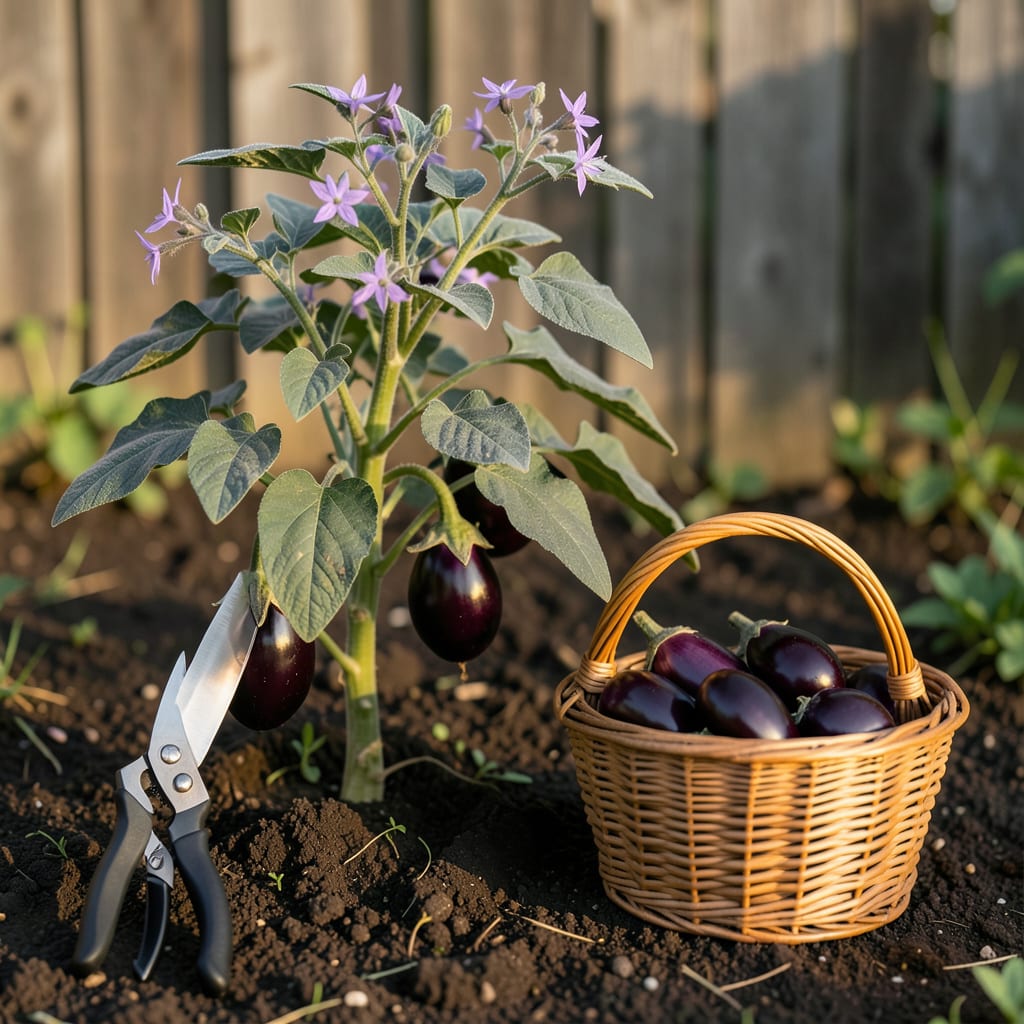
Harvesting Eggplant at just the right time makes all the difference between a bitter disappointment and a flavorful success. The 🍆 doesn’t always shout when it’s ready, but there are clear signs to watch for.
From skin gloss to seed maturity, I’ll show you the subtle cues that signal your crop is at its peak. Let’s make sure your next harvest is perfectly timed.


Timing your eggplant harvest perfectly ensures sweet, tender fruit without bitterness. I always watch for that glossy skin first—it’s nature’s way of saying your crop is ready for picking.
The color deepens as eggplants mature, but don’t wait for full darkness—many varieties peak at a vibrant, rich hue. Size matters too, with most reaching 6-8 inches long at ideal ripeness.
| body”> | |
|---|---|
| row”> | cell”>Vibrant, uniform purple/color |
| row”> | cell”>Reaches variety-specific length |
| Green, firm, not woody |
That firm feel when you press gently confirms the fruit isn’t overripe. If it gives slightly, it’s perfect. If it’s rock-hard or soft, it’s either not ready or past its prime.
The stem should stay green and supple. A brown, woody stem means you’ve waited too long, and the flesh inside will be bitter and seedy.
Don’t overlook variety differences. White eggplants turn creamy, while striped types develop more pronounced patterns as they ripen. Always check your seed packet for specifics.
I’ve found that morning harvesting gives the best texture. The fruits are most turgid after a cool night, which means they’ll store better and taste sweeter.
Watch for dull skin—this is a dead giveaway your eggplant is either underripe or overripe. The ideal fruit practically glows in the garden light.
If you’re growing Japanese eggplants, they’re typically ready when they’re slender and about 8 inches long. The glossy skin rule still applies across all types.
Remember, consistent checking is key. Eggplants can go from perfect to overripe in just a few days, especially in hot weather. I make it a habit to inspect mine daily once they start sizing up.
🌱Testing eggplant ripeness doesn’t require a knife—just a gentle touch and sharp eyes. I rely on the squeeze test first: press lightly with your thumb, and the fruit should spring back slightly.
A dull thud when tapped means it’s ripe, while a hollow sound suggests it’s overripe. The skin should feel taut, not wrinkled or loose, which indicates it’s past its prime.
For seed maturity clues, look at the calyx—the leafy cap at the top. If it’s still green and fresh, the seeds inside are likely underdeveloped. A slightly dried calyx often means the seeds are mature.
Another trick is comparing color consistency. If the eggplant’s hue is uniform and vibrant, it’s ready. Patchy or faded spots can mean it’s either not ripe yet or starting to spoil.
I always check the weight too. A ripe eggplant feels heavy for its size, indicating juicy flesh inside. If it feels light, it may be dehydrated or underripe.
Remember, variety matters. Smaller types like Fairy Tale eggplants are ready at just 3-4 inches, while larger varieties need more time. Always refer to your seed packet for specifics.
🌿Even experienced gardeners make harvest timing errors with eggplants. One of the most common is waiting for that deep purple color in all varieties, but some types are ready when they’re still light or striped.
Ignoring size guidelines is another pitfall. A tiny eggplant isn’t necessarily underripe—some varieties are naturally small. Always check your seed packet for the expected mature size.
Harvesting during extreme heat can lead to soft, mealy fruit. Always pick in the early morning when temperatures are cooler.
Waiting for full color darkness in all varieties can result in overripe, seedy eggplants.
Ignoring stem condition means missing the window—brown stems mean it’s too late.
Harvesting too late is just as bad as too early. Overripe eggplants develop tough skins and bitter seeds. I’ve learned to check my plants daily once they start approaching maturity.
Another mistake is overlooking weather impact. Hot spells can speed up ripening, while cool weather slows it down. Adjust your checking frequency based on the forecast and current conditions.
Don’t forget that consistent moisture affects ripening too. Eggplants that experience drought stress may mature unevenly, making it harder to judge readiness accurately.
🌱Use the gentle squeeze test: press lightly with your thumb. A ripe eggplant should spring back slightly and feel firm, not rock-hard or soft.
No, size varies by type. Check your seed packet for the expected mature length, typically 6-8 inches for standard varieties. Smaller types like Fairy Tale are ready at just 3-4 inches.
A dull skin means it’s either underripe or overripe. The ideal fruit has a shiny, reflective surface. If it’s dull and soft, it’s past its prime.
Morning is best for peak texture, as fruits are most turgid after a cool night. Harvesting during extreme heat can lead to soft, mealy flesh.
