
Beautiful Plants For Your Interior
Beautiful Plants For Your Interior
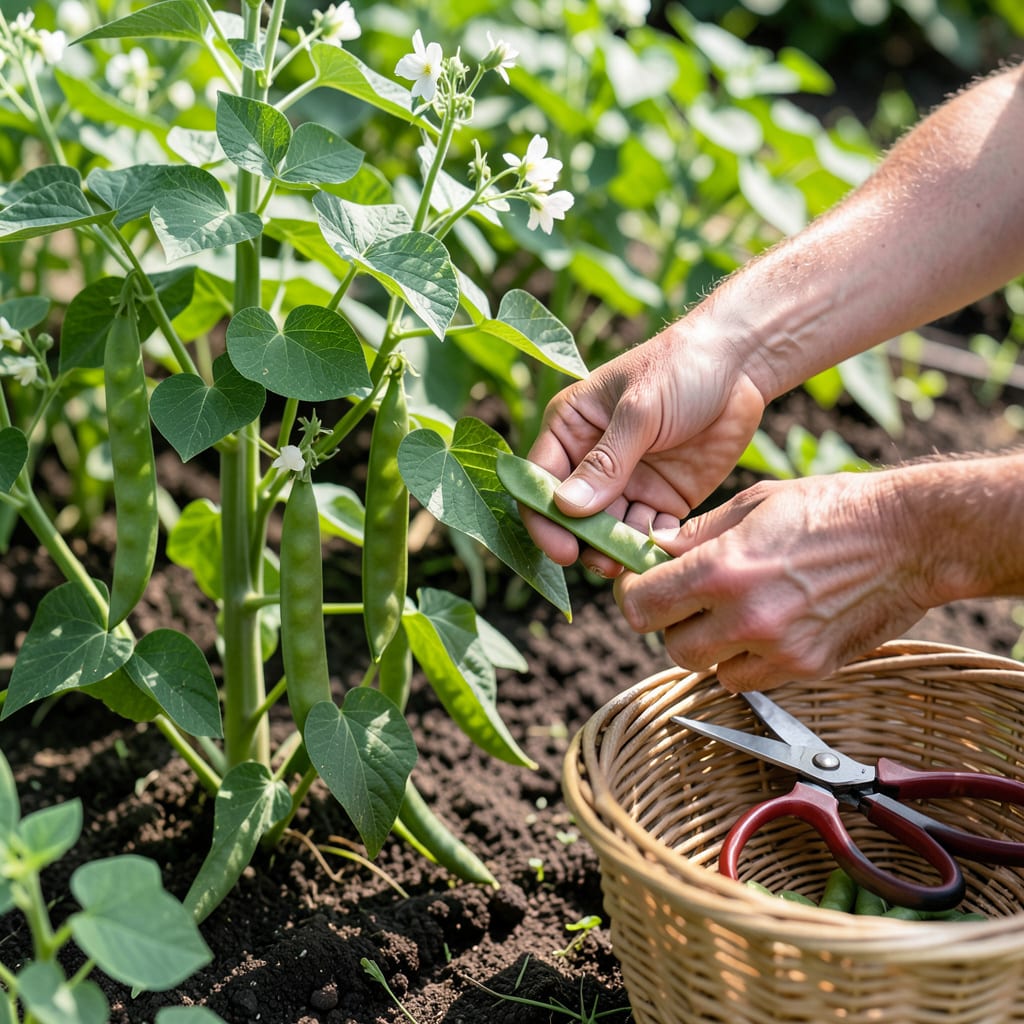
Harvesting Bush Bean 🌱 at the right time makes all the difference between a measly handful and a bountiful crop. Those first tender pods are a gardener’s reward for patience and timing.
I’ll show you the easiest visual and texture clues to spot when your beans are perfectly ready to pick. No more guessing games – just fresh, crisp beans every time.


Knowing when to pick your bush beans is all about observing the pods closely. The first sign is size – most varieties are ready when they reach 4-6 inches long. But size alone isn’t enough to confirm maturity.
I always check the texture next. Ready beans feel firm and crisp when gently squeezed, and the pods should snap easily when bent. The color is another telltale sign – look for that vibrant green hue that indicates peak freshness.
| Sign | Description |
|---|---|
| Pod Size | 4-6 inches long |
| Texture | Firm and snaps easily |
| Color | Bright green and glossy |
| Seeds Inside | Small and underdeveloped |
The sound test is one of my favorites. If you break a pod and hear that distinct snap, it’s ready. If it bends without snapping, give it a day or two more in the garden.
Look at the seeds inside the pod too. When ready, they should be small and barely formed. If you see large, plump seeds, you’ve waited too long and the beans may be tough.
Another visual cue is the pod’s surface. Ready beans have a smooth, slightly rounded appearance. If the pods look flat or you can see the seed outlines through the skin, they’re not quite there yet.
I check my plants every morning during harvest season. Bush beans can go from perfect to overripe in just 24-48 hours, especially in warm weather. Regular checking ensures you don’t miss that sweet spot.
The stem end of the pod is another indicator. When ready, it should be dry and starting to brown slightly. A completely green stem end often means the pod needs more time to mature.
Remember that different varieties may have slightly different signs. Some purple-podded varieties, for example, will turn dull purple when ready rather than green. Always check your seed packet for variety-specific information.
Finally, taste-testing is the ultimate check. Pick one pod that shows all these signs and give it a try. If it’s crisp, tender and has that fresh bean flavor, it’s time to harvest the rest of your crop. 🌱
Even experienced gardeners sometimes miss the harvest window for bush beans. One common mistake is waiting too long until the pods become bulky with fully formed seeds. These beans will be tough and stringy.
Another error is harvesting too early when pods are still thin and underdeveloped. These won’t have the full sweet flavor or satisfying crunch that makes homegrown beans special.
⚠️ Warning: Never pull or tug beans from the plant. This can damage the stems and reduce future production. Always use two hands to gently snap or cut the pods.
I’ve seen gardeners neglect regular harvesting, which signals the plant to stop producing. Bush beans need consistent picking – at least every 2-3 days during peak season – to maintain high yields.
Harvesting in the heat of the day can cause the pods to wilt prematurely. I always pick in the early morning when the plants are most turgid and the beans are crispest.
Using dull tools or rough handling can bruise the pods and shorten their storage life. I recommend using sharp scissors or simply snapping the pods by hand for the cleanest harvest.
Finally, don’t overlook the lower pods hidden beneath the foliage. These often mature first but get missed, leading to overripe beans that can drain the plant’s energy.
With these tips, you’ll avoid the most common pitfalls and enjoy a continuous harvest of perfect bush beans all season long. ✂️
Timing your harvest can make a big difference in bean quality. I always pick my bush beans in the early morning when the plants are most hydrated and the pods are at their crispest.
The cool morning temperatures help maintain the beans’ freshness longer. Avoid harvesting during the heat of the day as the pods can become limp and lose their snap.
For tools, I prefer sharp garden scissors for a clean cut, but you can also gently snap the pods off by hand. Just be sure to use two hands – one to hold the stem and one to remove the pod.
A small harvesting basket or container is helpful to collect your beans without crushing them. I like to use a shallow tray that allows air circulation to keep the beans fresh until I can process them.
Regular harvesting encourages the plant to produce more pods. I make it a habit to check my plants daily during the peak harvest period, which typically lasts about 2-3 weeks for bush beans.
With these simple timing and tool tips, you’ll maximize both the quality and quantity of your bush bean harvest. ✂️
Check your plants daily during peak season. Bush beans can go from perfect to overripe in just 24-48 hours, especially in warm weather. Regular checking ensures you don’t miss that sweet spot.
It’s best to harvest in the early morning when pods are crispest. Evening harvesting may result in limp beans due to the day’s heat. Cool morning temperatures help maintain freshness longer.
Overripe pods become tough and stringy with fully formed seeds. This reduces both flavor and tenderness. Regular harvesting also encourages the plant to produce more pods.
Never pull or tug beans from the plant. This can damage stems and reduce future production. Always use two hands to gently snap or cut the pods.
