
Beautiful Plants For Your Interior
Beautiful Plants For Your Interior
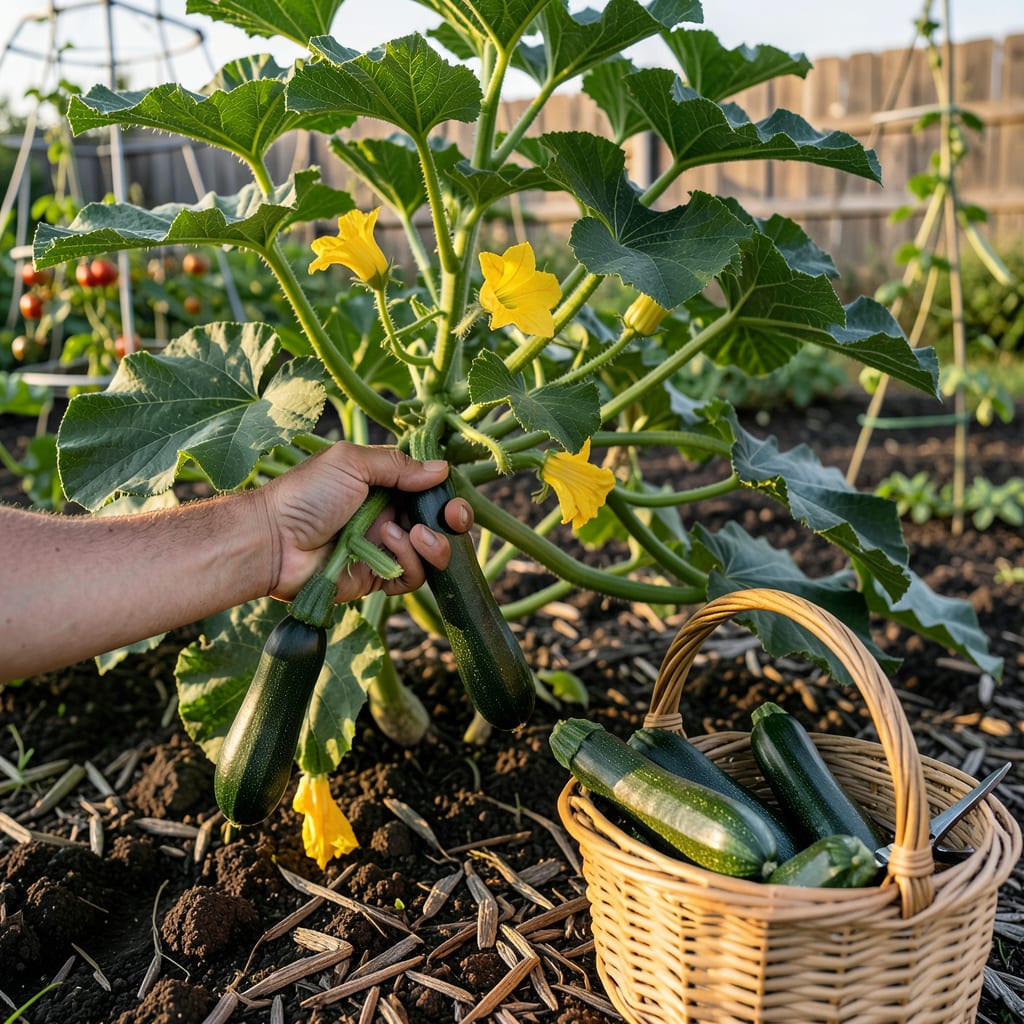
There’s nothing worse than watching your 🥒 zucchini grow all season, only to pick it too late and end up with a tough, seedy baseball bat. I’ve been there—standing in the garden wondering if that glossy green beauty is ready or if I should wait another day.
The difference between a perfect harvest and a disappointing one comes down to three simple signs most beginners miss. I’ll show you exactly what to look for—no guesswork required—so you can enjoy tender zucchini every time. Let’s get started before your next check of the plants.


I’ve lost count of how many gardeners I’ve met who wait too long to pick their zucchini, only to end up with baseball-bat-sized monsters. The secret? Knowing the 6 key visual clues that signal peak ripeness. Let’s break them down so you never miss that perfect window again.
Zucchini grows incredibly fast—sometimes adding an inch per day in warm weather. That’s why checking your plants every 24-48 hours during harvest season is crucial. I’ll show you exactly what to look for, from size and color to stem texture, so you can harvest with confidence.
| Stage | Size | Skin Texture | Color | Stem Condition | Action |
|---|---|---|---|---|---|
| 🌱 Underripe | <4 inches | Soft, dull | Pale green | Thin, flexible | Leave on plant |
| ✅ Perfect | 6-8 inches | Firm, glossy | Bright green | Tender, green | Harvest immediately |
| ⚠️ Overripe | >10 inches | Tough, matte | Dull/dark green | Woody, brown | Remove to save plant energy |
The golden size range for zucchini is 6-8 inches long and 2-3 inches in diameter. At this stage, the seeds are tiny and the flesh is tender and sweet. I like to compare it to the length of a standard pencil—any longer, and you risk a watery, bitter taste.
Next, examine the skin texture. A ready-to-pick zucchini has a smooth, glossy surface that’s firm to the touch. Try the fingernail test: gently press your nail into the skin. If it leaves a small indentation but doesn’t pierce through, it’s perfect. If it’s rock-hard or your nail bounces off, it’s overripe.
Color matters more than you think! Look for a vibrant, uniform green (or golden yellow for varieties like ‘Golden Zucchini’). Dull or patchy coloring often means the zucchini is past its prime. I’ve found that morning light gives the truest color reading—check your plants early for the best assessment.
The stem tells a story too. A perfect zucchini has a soft, green stem about 1-2 inches long. If the stem is brown, woody, or cracking, the zucchini has been on the vine too long. This is one of the most overlooked signs, but it’s a game-changer for timing your harvest.
Here’s a pro tip I swear by: harvest in the morning when the plant is most hydrated. The zucchini will be crisp and firm, and the plant recovers faster from the stress of picking. Use clean pruning shears or a sharp knife to cut the stem—never twist or pull, as this can damage the plant.
If you spot a giant zucchini hiding under leaves, don’t despair! While it won’t be as tender, you can still use it for zucchini bread or grated dishes. Just be sure to remove it promptly so the plant can redirect energy to producing new fruit. I once found a 14-inch monster in my garden—it made enough bread to feed my whole block!
Remember, zucchini plants are prolific—the more you pick, the more they’ll produce. I aim to harvest every 2-3 days during peak season. If you’re growing bush varieties, check the center of the plant where new fruit often hides. For vining types, scan the entire length of the vine.
Finally, trust your instincts. If a zucchini looks ready but you’re unsure, pick it! It’s better to harvest a day early than a day late. And don’t forget to celebrate your harvest—there’s nothing quite like the satisfaction of plucking a perfect zucchini you grew yourself. 🌱
Timing your zucchini harvest isn’t just about patience—it directly impacts flavor, texture, and even your plant’s future productivity. I’ve seen gardeners rush to pick tiny zucchini, thinking they’re being proactive, only to end up with underdeveloped fruits that lack sweetness. 🌱
On the flip side, leaving zucchini on the vine too long turns them into woody, seedy monsters that can drain your plant’s energy. The ideal window is surprisingly narrow—just 45-60 days after planting—so knowing the consequences of mistiming helps you make smarter choices. ✂️
When you pick underripe zucchini (under 6 inches), you’re essentially robbing the plant of its chance to fully develop sugars and nutrients. These tiny squash often have thin skins that bruise easily and don’t store well. I always recommend waiting until they’re at least 6-8 inches long for optimal quality. 📏
The real trouble starts when zucchini grows beyond 10 inches. At this point, the skin becomes leathery, the seeds grow large and bitter, and the flesh turns spongy. Even worse, your plant wastes energy producing these giants instead of new fruits. I’ve had gardeners tell me their overgrown zucchini felt like baseball bats! 🌻
Here’s a pro tip: If you accidentally let one get too big, remove it immediately to redirect the plant’s energy. You can still use overgrown zucchini for breads or compost, but they won’t be pleasant for fresh eating. The sweet spot is checking plants every 2-3 days during peak season. ⏰
Remember that stem condition tells you as much as size. A perfect zucchini has a tender green stem that snaps easily. If the stem looks woody or brown, you’ve waited too long. I like to use pruning shears for clean cuts that don’t damage the plant, ensuring continuous production all season. 🪴
If you want your zucchini plants to keep producing all season, timing your harvests is everything. I’ve found that picking every 2-3 days during peak season prevents those baseball-bat-sized monsters from forming. When you remove mature fruit promptly, the plant redirects energy into new blooms and baby zucchini.
Here’s my go-to trick: harvest in the morning when plants are hydrated and less stressed. Use a sharp knife or pruners to make clean cuts, leaving about 1 inch of stem attached. Avoid twisting or pulling, which can damage the plant’s delicate vines and reduce future yields.
| Action | Why It Works | Best Time |
|---|---|---|
| Harvest every 2-3 days | Prevents overripe fruit that drains plant energy | Morning hours 🌱 |
| Leave 1-inch stem | Reduces risk of rot entering the plant | At harvest ✂️ |
| Prune yellowing leaves | Improves airflow and sunlight to new growth | Weekly checks ☀️ |
Don’t overlook pruning yellow leaves—this simple step boosts airflow and sunlight penetration, which keeps your plant healthy and productive. I also fertilize lightly after heavy harvests with a balanced 10-10-10 to replenish nutrients. Watch for slowing production in late summer; that’s your cue to remove older leaves and focus energy on new fruit.
If your plant starts looking tired, try this: pinch off the growing tips of the main vines. This forces the plant to branch out and produce more side shoots (where female flowers—and zucchini—form). I’ve rescued many a lagging plant with this trick, extending my harvest by 3-4 weeks.
Finally, keep an eye on the weather forecast. Zucchini thrives in warm soil (70°F+), so if nights dip below 50°F, consider covering plants with row fabric. A little protection can buy you extra weeks of production, especially in cooler zones.
Remember, the key to a nonstop zucchini harvest is staying proactive. Check plants daily, harvest religiously, and give them a little TLC after big picks. Your reward? More tender, flavorful zucchini than you’ll know what to do with—without a single tough, seedy disappointment in the bunch! 🪴
During peak season, check your plants every 24-48 hours. Zucchini grows astonishingly fast—sometimes adding 1 inch per day in warm weather. Morning checks are ideal since plants are hydrated and fruits are firmest.
While overgrown zucchini (over 10 inches) becomes tough and seedy, it’s perfect for grated dishes or zucchini bread. Remove the seeds and peel if needed. Just harvest promptly to keep your plant productive.
Early morning is ideal. The plant is fully hydrated, making the fruit crisp and easier to cut without stressing the vine. Avoid midday heat, which can cause wilting. Use clean pruners for a sharp, 1-inch stem cut.
A dull, matte skin signals it’s overripe. Perfect zucchini should have a glossy, vibrant finish. If the skin resists your fingernail test (no indentation), it’s past prime. Harvest sooner next time!
Watch for yellowing leaves, slowing growth, or fewer female flowers. In late summer, production naturally declines. Pinch back main vines to encourage side shoots, or compost the plant if frost is near.
