
Beautiful Plants For Your Interior
Beautiful Plants For Your Interior
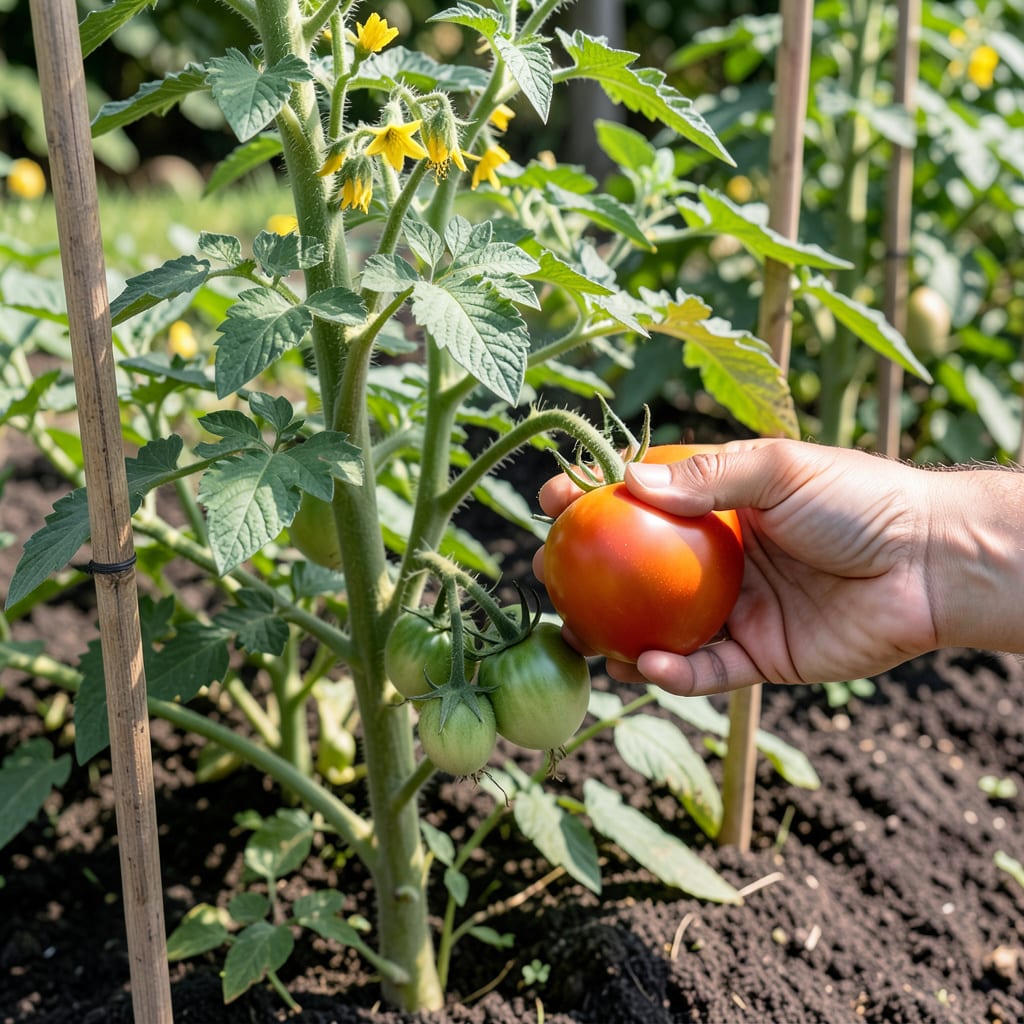
Picking tomatoes at the perfect moment ensures the best flavor, but knowing the exact signs can be tricky. Even experienced gardeners sometimes second-guess when their 🍅 is truly ready.
Discover the key visual and texture clues that take the guesswork out of harvesting. I’ll show you how to spot ripeness like a pro and avoid common mistakes.


I’ve learned that color is the first clue—most tomatoes turn deep red, but yellow or orange varieties have their own perfect hue. Don’t rely on size alone; uniform color matters most.
Next, I check for a glossy skin and slight softness when gently pressed. A ripe tomato should yield slightly but not feel mushy. The stem should separate easily from the vine with a light tug.
| Sign | Description | Example |
|---|---|---|
| Color Change | Full, even color for variety | Red, yellow, or orange |
| Glossy Skin | Shiny, vibrant appearance | Reflects sunlight well |
| Slight Softness | Gives slightly to touch | Not hard or mushy |
| Stem Separation | Stem detaches easily | Light tug required |
For heirloom varieties, the color might be striped or mottled, so I look for the dominant color to deepen. Green shoulders near the stem are a sign it’s not ready yet.
I always pick in the early morning when temperatures are cooler. This helps retain moisture and flavor. Avoid harvesting after rain, as excess water can dilute the taste.
The scent of a ripe tomato is another giveaway. A strong, sweet aroma at the stem end means it’s ready. If it smells grassy or earthy, it needs more time on the vine.
For cherry tomatoes, I check for full color and a slightly wrinkled skin near the stem. They often ripen faster than larger varieties, so daily checks are key during peak season.
If a tomato has a white or green ring around the stem, it’s not fully ripe. This is common in hot climates where the top of the fruit ripens slower. Patience pays off here.
I’ve found that touch is as important as sight. A ripe tomato should feel heavy for its size and have a smooth texture. Rough or leathery skin often means it’s overripe.
Finally, I avoid pulling tomatoes by force. If the stem doesn’t separate easily, I leave it for another day. Forcing it can damage the vine and reduce future yields. ☀️
I’ve seen gardeners make costly errors when picking tomatoes that can ruin flavor or damage plants. The most common is harvesting too early—before the full color develops, which leaves tomatoes tasting bland.
Another frequent mistake is waiting too long. Overripe tomatoes become mushy or split, attracting pests and reducing shelf life. I always check daily once the first signs of color appear.
⚠️ Warning: Picking tomatoes in hot afternoon sun can cause scalding or bruising. Always harvest in cool morning hours for best results.
Ignoring weather conditions is another pitfall. Harvesting after heavy rain can lead to waterlogged fruit with diluted flavor. I wait for dry conditions to ensure peak taste.
Mishandling tomatoes during picking can bruise the fruit or damage the vine. I use gentle twisting motions or pruning shears for stubborn stems to avoid tearing the plant.
Some gardeners forget that variety matters. Heirloom tomatoes often have uneven coloring, so I research each type’s specific ripeness signs before harvesting.
Finally, storage mistakes after picking can spoil your harvest. I never refrigerate tomatoes—room temperature preserves flavor and texture best. Store them stem-side down to prevent air from entering the fruit. 🌿
Even with the best intentions, I sometimes pick tomatoes before they’re fully ripe. Thankfully, there are easy ways to ripen them indoors without sacrificing flavor or texture.
I’ve had great success using a paper bag method. Simply place the green tomato in a bag with a ripe banana or apple. The ethylene gas from the fruit speeds up ripening.
For faster results, I keep the bag in a warm, dark place like a pantry. Check daily for color development and remove once ripe to prevent over-softening.
If I have multiple green tomatoes, I use a cardboard box lined with newspaper. Layer the tomatoes with ripe fruit and cover loosely. This creates a mini ripening chamber.
I avoid direct sunlight during indoor ripening, as it can cause uneven softening or skin toughening. A consistent temperature is more important than light at this stage. 🌱
Most turn deep red, but yellow or orange varieties have their own perfect hue. Heirlooms may be striped or mottled. Look for uniform color without green shoulders.
Gently squeeze—it should yield slightly but not feel mushy. Check for a glossy skin and strong, sweet aroma at the stem end. The stem should separate easily with a light tug.
Avoid harvesting after heavy rain. Excess water can dilute flavor and cause waterlogged fruit. Wait for dry conditions for the best taste.
This means it’s not fully ripe. Common in hot climates where the top ripens slower. Be patient—it needs more time on the vine.
