
Beautiful Plants For Your Interior
Beautiful Plants For Your Interior
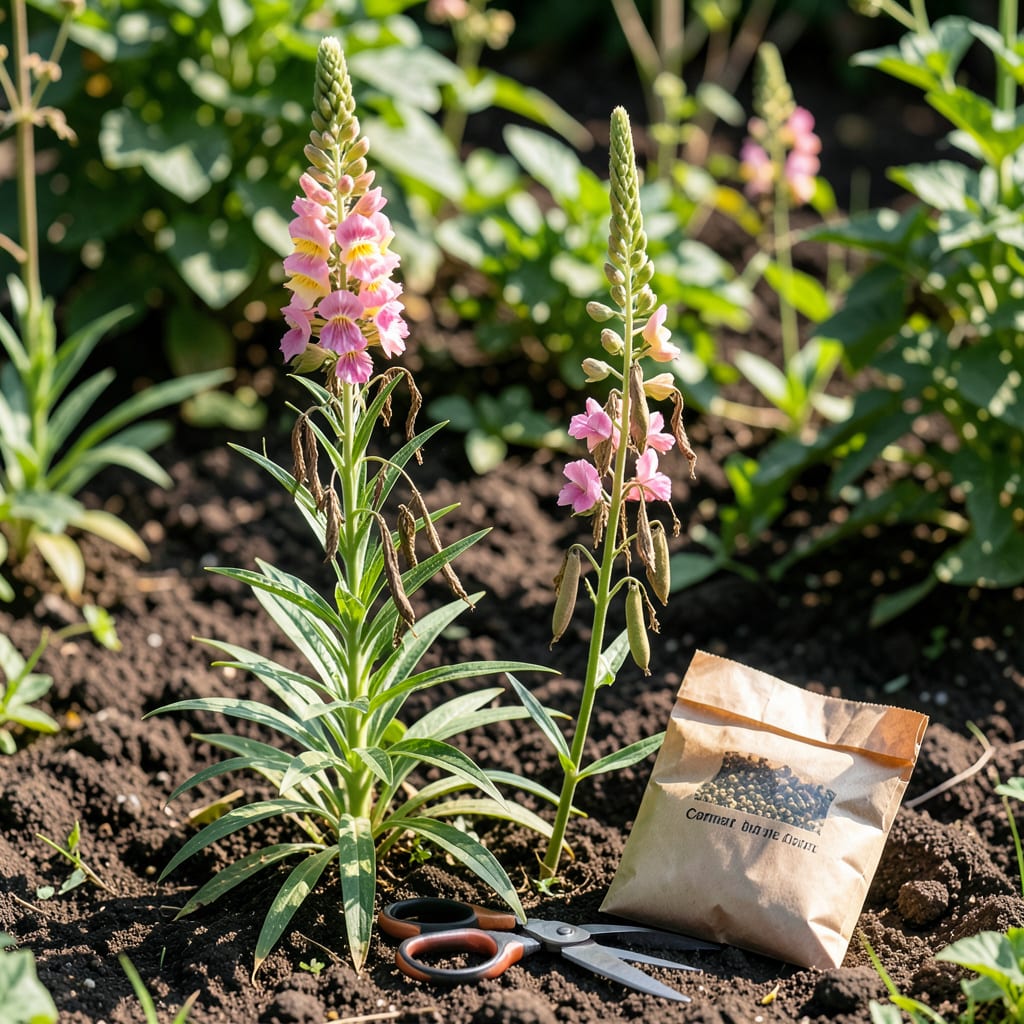
There’s something magical about saving seeds from your favorite 🌸 Snapdragon plants. It’s not just about saving money – it’s about preserving the beauty you love for next year’s garden.
I’ll walk you through the easiest way to collect and store these seeds properly. With just a little know-how, you can ensure a vibrant display year after year.


Harvesting Snapdragon seeds starts with knowing when they’re ready. I look for brown, dry seed pods that feel papery to the touch. This usually happens in late summer or early fall.
Timing is everything – wait until the pods begin splitting naturally. If you harvest too early, the seeds won’t be mature enough to germinate next season.
The best time to collect is on a dry, sunny day. I use sharp scissors or pruners to cut the stems just below the seed pods. This prevents damage to the developing seeds.
After cutting, I place the stems with pods in a paper bag. The bag catches any seeds that might fall out as the pods continue drying. This method works better than plastic for me.
It takes about 1-2 weeks for the pods to fully dry. I check them daily after the first week. When they’re completely brittle, I gently rub them between my fingers to release the seeds.
I then separate the seeds from the chaff and plant debris. A fine mesh sieve works well for this. The seeds are tiny, so I work over a white sheet of paper to see them better.
For storage, I use small envelopes or glass jars. I always label them with the variety and date. Proper labeling helps me keep track of my collection from year to year.
Store your seeds in a cool, dark place. The refrigerator works well, but a dark closet is fine too. Just make sure it’s dry to prevent mold growth.
With these steps, I’ve had great success germinating saved Snapdragon seeds the following spring. The key is patience and proper drying before storage.
Remember that hybrid varieties may not grow true from seed. For consistent results, stick with heirloom or open-pollinated types when saving seeds.
Once you’ve collected your Snapdragon seed pods, proper drying is crucial. I spread them out in a single layer on a paper towel in a well-ventilated area away from direct sunlight.
This process typically takes 1-2 weeks. I check them daily after the first week, looking for that brittle, papery texture that signals they’re fully dry and ready for storage.
🌱 Pro Tip: Always label your seeds with the variety and harvest date before storing. This helps track viability and plant characteristics for future seasons.
For storage, I prefer paper envelopes or glass jars with tight-fitting lids. These containers keep moisture out while allowing the seeds to breathe slightly, preventing mold growth.
The ideal storage location is cool and dark, like a basement or closet. I avoid areas with temperature fluctuations, such as attics or garages, as these can reduce seed viability.
Properly stored Snapdragon seeds can remain viable for 2-3 years. I always do a quick germination test before planting older seeds to check their viability.
Remember that humidity is the enemy of seed storage. If you live in a humid climate, consider adding a silica gel packet to your storage container to absorb excess moisture.
With these storage practices, I’ve maintained high germination rates for my saved seeds year after year. The key is consistency in your drying and storage methods.
Even experienced gardeners make mistakes with Snapdragon seed collection. I’ve learned that harvesting too early is the most common error. Green pods contain immature seeds that won’t germinate.
Another frequent issue is using plastic bags for drying. This traps moisture and can cause mold. Always use paper bags or breathable containers instead.
I once lost an entire batch of seeds by storing them in a humid garage. The lesson? Always choose a cool, dry location for seed storage to maintain viability.
Another mistake is not allowing enough drying time. Rushing this process can lead to moldy seeds. I now wait until pods are completely brittle before storing.
Finally, many gardeners overlook seed cleaning. Leaving too much plant debris with your seeds can attract pests and reduce storage life. A simple sieve solves this.
By avoiding these common pitfalls, you’ll ensure your Snapdragon seeds remain viable for future planting seasons. I’ve found that patience and attention to detail make all the difference. ✂️
Wait until they turn brown and dry, usually in late summer or early fall. The pods should feel papery and begin splitting naturally.
Place stems with pods in a paper bag for 1-2 weeks in a well-ventilated area. Check daily after the first week for a brittle texture.
Properly stored seeds last 2-3 years. Keep them in a cool, dark, dry place like a closet or refrigerator.
No—plastic traps moisture and causes mold. Always use paper bags or breathable containers to prevent spoilage.
