
Beautiful Plants For Your Interior
Beautiful Plants For Your Interior
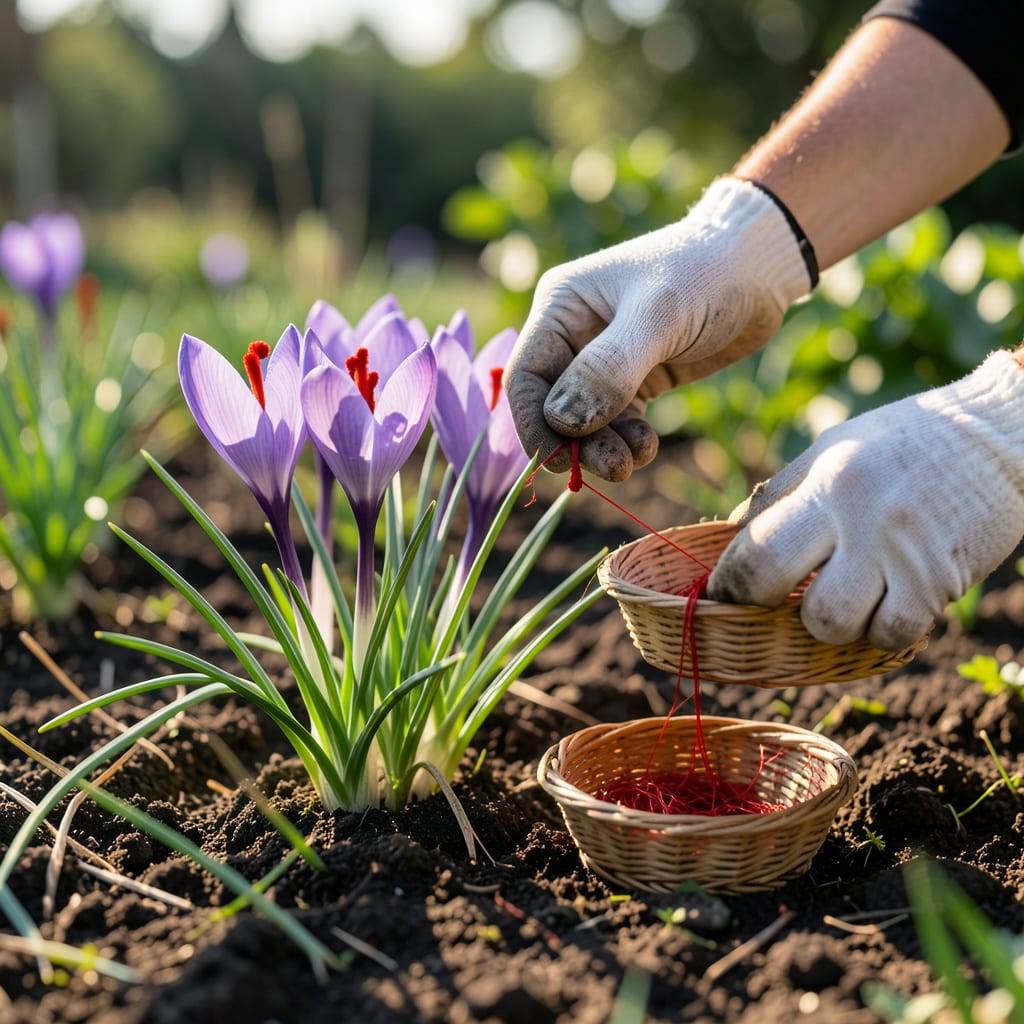
I remember the first time I saw 🌼 Saffron flowers blooming in my garden – those vibrant purple petals hiding the world’s most precious spice. Harvesting the threads at just the right moment makes all the difference.
With the right timing and gentle technique, you can preserve the full flavor and aroma of your crop. Let me show you how to do it properly.


Harvesting saffron threads requires precision and care to preserve their delicate flavor and vibrant color. The best time is early morning when the purple flowers are fully open, revealing their precious red stigmas.
I always check for deep red stigmas and a strong aromatic scent to confirm the flowers are ready for picking. This ensures maximum potency in every thread I collect.
The timing of harvest is crucial – I’ve found that early morning (between 6-9 AM) yields the highest quality threads. The cooler temperatures help preserve the volatile oils that give saffron its signature aroma.
Always use clean, dry tools to prevent contamination. Even a drop of moisture can cause the threads to mold during drying. I keep a small pair of sharp scissors dedicated just for this purpose.
When separating the three stigmas from each flower, be gentle but firm. The threads should come away easily if the flower is truly ready. I find using my fingernails works better than any tool for this delicate operation.
For the drying process, spread your threads in a single layer on absorbent paper. Avoid direct sunlight, which can bleach the color. A well-ventilated area with consistent temperature works best for even drying.
You’ll know your saffron is properly dried when the threads become brittle and dark red. At this point, they should snap easily when bent. Properly dried threads will keep their color and aroma for years if stored correctly.
Store your dried saffron in an airtight container away from light and heat. I use small glass jars kept in a dark cupboard. This protects the threads from humidity and preserves their quality for up to 2-3 years. ☀️
After harvesting your saffron threads, proper drying is essential to lock in their vibrant color and potent aroma. I’ve found that air-drying works best for preserving quality without risking heat damage.
Spread the threads in a single layer on absorbent paper in a well-ventilated area. Avoid direct sunlight, as it can bleach the delicate stigmas and degrade their flavor. 🌿
I prefer using a food dehydrator on the lowest setting if I need faster results. This method typically takes 1-2 hours and ensures even drying without overheating the threads.
For long-term storage, transfer the dried threads to an airtight container. I use small amber glass jars to block light and keep moisture out. This protects the saffron’s quality for up to 3 years.
Always label your containers with the harvest date to track freshness. Properly stored saffron retains its rich color and distinct aroma, making it a valuable addition to any garden harvest.
Remember, the drying process is just as important as the harvest itself. Rushing this step can compromise the threads’ flavor and potency, so patience is key. ✂️
Even experienced gardeners can make errors when harvesting saffron threads that reduce quality. The most common mistake I see is harvesting at the wrong time of day, which affects both flavor and color.
Another frequent issue is using wet hands or tools, which introduces moisture that can spoil the threads during drying. Always ensure everything is completely dry before handling your harvest.
I’ve learned that improper drying is another major pitfall. Spreading threads too thickly or in a humid environment can result in moldy or discolored saffron that loses its aromatic qualities.
Storage mistakes are equally damaging. Keeping saffron in clear containers or near heat sources accelerates degradation. Always use opaque, airtight containers stored in cool, dark places.
Remember that patience is key throughout the process. From waiting for the perfect harvest moment to allowing proper drying time, each step impacts the final quality of your saffron threads. 🌼
Early morning between 6-9 AM is ideal. The cooler temperatures help preserve the volatile oils that give saffron its signature aroma and flavor.
Look for fully open purple blooms with visible deep red stigmas and a strong aromatic scent. These signs confirm maximum potency.
Clean, dry fingernails work best for gently pulling the three stigmas from each flower. Tools can damage the delicate threads if not used carefully.
Harvesting closed flowers or using wet hands introduces moisture that can cause mold during drying. Always ensure everything stays completely dry.
