
Beautiful Plants For Your Interior
Beautiful Plants For Your Interior
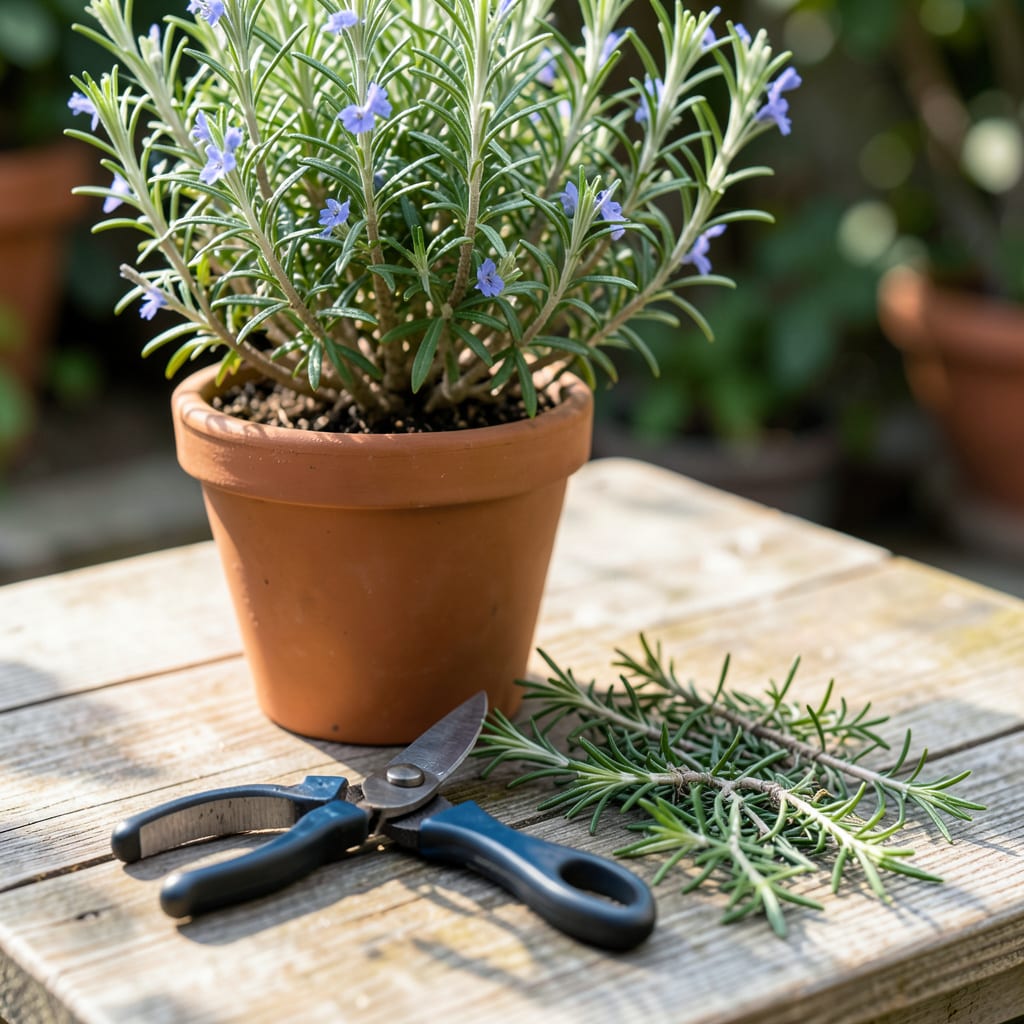
I used to think harvesting Rosemary 🌿 was as simple as snipping a few sprigs whenever I needed them. Boy, was I wrong – my plant paid the price for my enthusiasm.
There’s a right way to harvest that actually encourages your plant to grow back fuller and healthier. Let me show you how to do it without harming your beloved herb.


Harvesting rosemary properly ensures your plant stays healthy and bushier over time. The key is to avoid cutting into old wood, which can prevent regrowth and leave your plant struggling.
I always start by selecting the right stems—look for green, flexible growth rather than woody sections. This encourages the plant to branch out and produce more fragrant foliage for future harvests.
Timing your harvest is crucial for continuous growth. I’ve found that spring and summer are ideal, as the plant is in its active growing phase. This allows it to recover quickly and produce new shoots.
Another pro tip: always disinfect your tools before and after harvesting. I use rubbing alcohol to clean my shears, which prevents the spread of plant diseases and keeps my rosemary thriving.
If your rosemary is flowering, you can still harvest, but I recommend leaving some blooms to attract pollinators like bees and butterflies. These visitors help with the overall health of your garden ecosystem.
For potted rosemary, the same rules apply, but be extra mindful of water stress. Container plants dry out faster, so check soil moisture before and after harvesting to ensure your plant has enough hydration to recover.
After harvesting, give your rosemary a light watering if the soil feels dry. This helps the plant recover faster and supports new growth. Avoid overwatering, though, as rosemary prefers well-draining soil and can suffer from root rot.
Finally, observe your plant’s response. If you notice yellowing leaves or stunted growth after harvesting, you may have taken too much. Adjust your approach next time by harvesting less frequently or in smaller amounts.
✂️Even experienced gardeners can make mistakes when harvesting rosemary that prevent it from growing back. One of the biggest errors I see is cutting into old wood, which lacks the growth nodes needed for regrowth.
Another common issue is over-harvesting. Taking more than 1/3 of the plant at once can stress it, leaving it too weak to recover properly.
Using dull pruning tools is another mistake that can damage your rosemary. Clean, sharp cuts heal faster, while torn stems are more susceptible to disease and pests.
Timing matters too. Harvesting when the plant is wet from rain or dew can introduce fungal problems. I always wait for dry, sunny mornings for the best results.
Don’t forget about post-harvest care. Failing to water your rosemary after a heavy trim can slow its recovery. A light drink helps it bounce back faster.
Lastly, watch for signs of plant stress like yellowing leaves or wilting. If you see these, hold off on harvesting until your rosemary has recovered its vibrant green color and healthy appearance. ✂️
Timing your rosemary harvest can make all the difference in how well your plant bounces back. I’ve learned that spring and early summer are prime times, as the plant is in its most active growth phase.
The warm months encourage rapid regrowth, so your rosemary will recover quickly after trimming. However, even in fall or winter, you can still harvest—just be more conservative to avoid stressing the plant.
| Season | Harvest Guidance |
|---|---|
| Spring | Harvest lightly to encourage bushy growth |
| Summer | Most active regrowth, ideal for frequent harvests |
| Fall | Harvest moderately before frost |
| Winter | Minimal harvest, avoid heavy pruning |
Another key factor is the time of day. I always harvest in the morning after the dew has dried. This is when the essential oils are most concentrated, giving you the best flavor and aroma.
If you live in a hot climate, you might find your rosemary grows year-round, allowing for more frequent harvesting. Just
For potted rosemary, the same seasonal rules apply, but watch for signs of root bound plants. If your rosemary is struggling to regrow, it might be time to repot it into a larger container.
✂️Trim every 4-6 weeks during growing season. This keeps it bushy and healthy. Avoid heavy pruning in winter when growth slows.
Yes, but take only small amounts. Cold weather slows regrowth, so harvest lightly and avoid cutting into woody stems.
Use sharp pruning shears or kitchen scissors. Clean tools with rubbing alcohol to prevent disease spread.
You may have cut into old wood or taken too much. Always leave 2/3 of the plant and cut just above leaf nodes for best results.
