
Beautiful Plants For Your Interior
Beautiful Plants For Your Interior
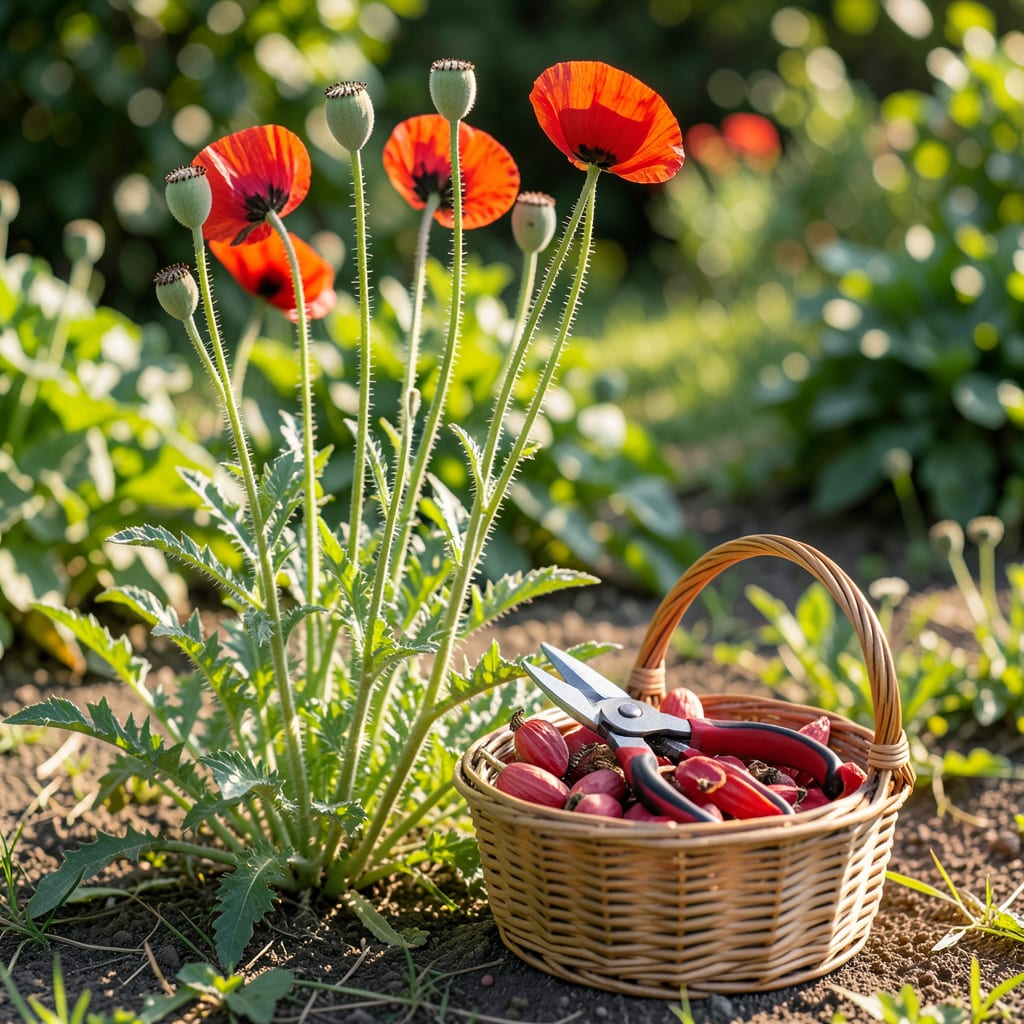
There’s something magical about watching your 🌸 Poppy pods transform from vibrant green to dry brown. That’s your signal that harvest time is near, and getting it right means a full seed yield for next season.
I’ll show you the most effective way to gather those delicate seeds without losing a single one. Whether you’re a first-timer or seasoned gardener, these tips will ensure your Late Spring harvest is a success.


Timing your poppy harvest perfectly is key to getting the most seeds. I always watch for the first sign: when those green pods start turning a light brown color.
This usually happens about 75 days after planting, but can range from 60 to 90 days depending on your climate and variety. The pods should feel dry and papery to the touch.
| Readiness Sign | Description |
|---|---|
| Color Change | Pods turn from green to brown |
| Texture | Feels dry and papery |
| Sound Test | Seeds rattle inside when shaken |
| Visual Cues | Small holes appear near top |
Another sure sign is when you can hear the seeds rattling inside the pod. This sound test works better than any calendar. I gently shake the pod near my ear to confirm.
You’ll also notice the stems beginning to yellow and dry out. This is nature’s way of telling you the plant is redirecting its energy to the seeds. Don’t rush this process.
In Zone 6, this typically happens in Late Spring to Early Summer. The exact timing depends on when you planted. Early spring plantings will mature faster than late ones.
If you’re growing Iceland poppies or Oriental poppies, they might be ready a bit earlier. The California poppy often takes the full 90 days to mature.
Remember that morning harvesting is best. The pods are driest then, and you’ll avoid any dew that might make the seeds stick together. I always bring a small paper bag to collect my harvest.
Don’t wait until the pods fully split open. By then, you might lose seeds to the wind or birds. Harvest when they’re just beginning to open for the best results.
Finally, check the weather forecast. You want at least 3-4 dry days after harvesting to properly dry your seeds. This ensures they’ll store well for next season’s planting 🌸
Harvesting poppy seeds properly ensures you get the most from your plants. I always start by checking that the seed pods are fully dry and beginning to split. This is your first sign they’re ready.
You’ll need a few simple tools: sharp scissors, a paper bag, and gloves to protect your hands from the plant’s sap. These basics make the process smooth and efficient.
I prefer to cut the pods in the early morning when they’re at their driest. This helps prevent any moisture from affecting the seeds. Place them immediately into your paper bag.
After cutting, give each pod a gentle shake over the bag. You’ll be surprised how many seeds come loose with just this simple action. Don’t force it – the remaining seeds will come out as the pods continue to dry.
For the next 7 days, store your bag of pods in a warm, dry place. I like to use my sunroom. This final drying ensures all seeds are completely ready for storage.
Once fully dry, you can easily separate the seeds from the pod material. I use a fine sieve to remove any remaining plant debris. Store your clean seeds in an airtight container in a cool, dark place 🌸
Even experienced gardeners can make costly errors when harvesting poppies. I’ve learned the hard way that timing is everything – harvesting too early means immature seeds that won’t germinate.
Another common mistake is waiting too long. If you let the pods fully split open, you risk losing most of your seeds to the wind or hungry birds.
⚠️ Warning: Avoid harvesting poppies when pods are still green or damp. This leads to moldy seeds and poor storage results.
I’ve also seen gardeners skip the drying step entirely. Fresh seeds need that 1-week drying period to reach proper maturity for storage. Don’t rush this crucial phase.
Using the wrong tools can damage your pods. Always use sharp scissors and handle pods gently to avoid crushing them. I learned this after accidentally tearing several pods with dull shears.
Finally, improper storage ruins more poppy seeds than anything else. Always use airtight containers and store in a cool, dark place to maintain viability for next season’s planting 🌸
Early morning is ideal when pods are driest. This prevents moisture from causing seeds to clump together.
Look for brown, dry pods that rattle when shaken. Small holes near the top are another clear sign.
Use sharp scissors, a paper bag, and gloves to protect hands from sap. Keep it simple!
Allow 7 days in a warm, dry place. This ensures seeds are fully mature for next season.
