
Beautiful Plants For Your Interior
Beautiful Plants For Your Interior
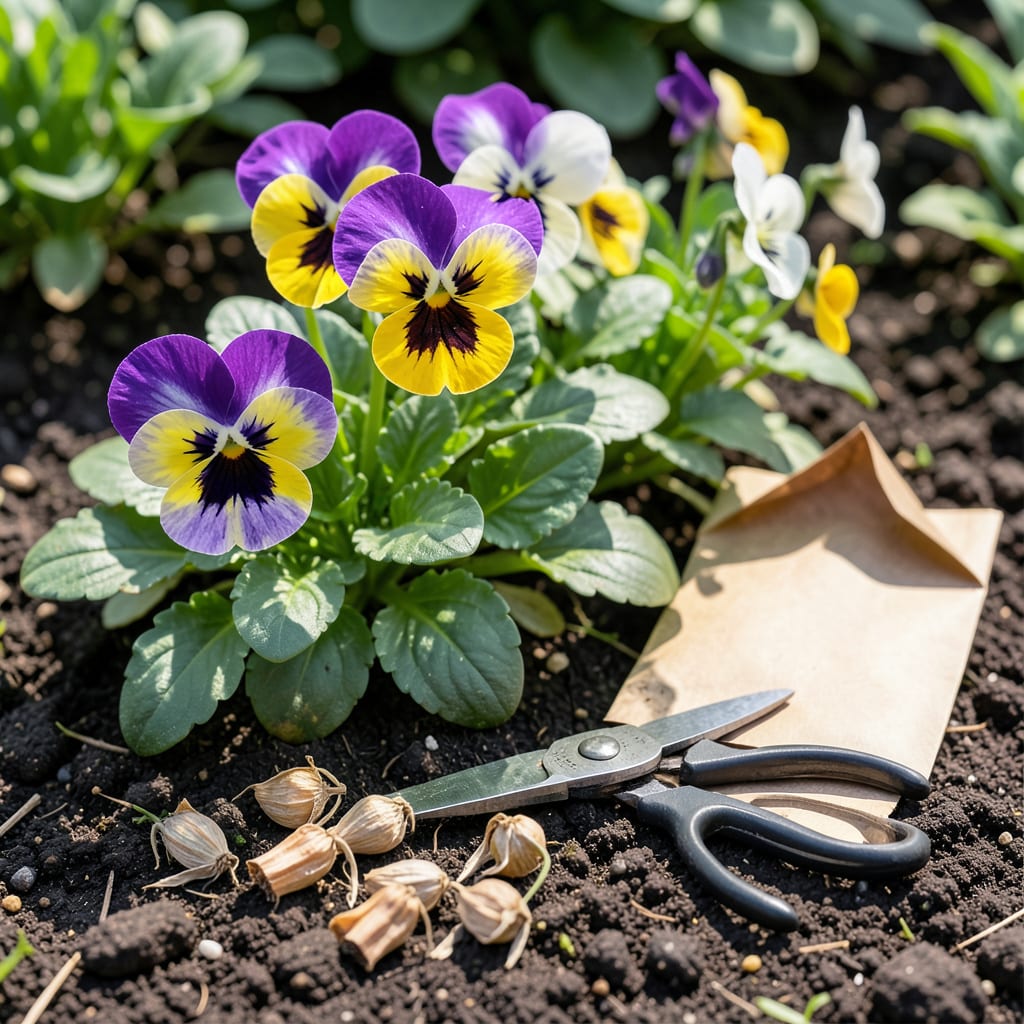
Ever watched your 🌸 Pansy blooms fade and wondered how to keep their beauty alive for next season? You’re sitting on a goldmine of potential with every mature plant.
I’ll show you the most effective way to collect and store seeds that guarantee vibrant returns. It’s easier than you think to preserve your favorite varieties.


Timing is everything when harvesting pansy seeds. I watch for brown seed pods that start splitting open naturally. This typically happens in late spring to early summer after the flowers fade. The pods must be fully dry and papery to the touch.
If the pods are still green or soft, the seeds inside aren’t mature enough. I wait until they turn dark brown or black. This ensures the highest germination rate for next season’s planting. Patience pays off here 🌱
| Sign | Description |
|---|---|
| Pod Color | Turns from green to brown |
| Texture | Dry and papery |
| Opening | Begins to split naturally |
| Seeds | Dark brown or black |
Weather plays a role too. I avoid harvesting during rainy periods because moisture can cause the pods to mold. A sunny afternoon is ideal for collection. I check the forecast and plan my seed harvesting accordingly.
If I notice birds or wind disturbing the pods, I cover them with a light mesh bag. This protects the seeds while allowing air circulation. It’s a simple trick that prevents loss of valuable seeds.
Over-ripening is another concern. If the pods split completely and the seeds scatter, they may not be viable. I aim to collect them just as they start to open. This timing ensures the seeds are mature but still contained.
I also pay attention to the plant’s health. Strong, vibrant pansies produce the best seeds. If the plant looks stressed or diseased, the seeds might not be worth saving. Healthy plants equal healthy seeds.
For best results, I focus on the first wave of blooms. These early flowers often produce the most robust seeds. Later blooms might not have the same vigor, especially in hotter months.
I mark my calendar for June to September, the prime window for harvesting. This aligns with the natural growth cycle of pansies in most USDA zones. Adjustments might be needed for extreme climates.
Finally, I always double-check the seed maturity by opening a pod. If the seeds inside are hard and dark, they’re ready. If they’re still soft or light-colored, I wait a few more days.
With these tips, I ensure every harvest is high-quality and ready for next season’s garden 🌻
Harvesting pansy seeds requires a gentle touch to avoid damaging the delicate pods. I start by gathering sharp scissors and a small container for collection. The key is to handle the pods carefully as they split open.
I choose a dry morning to begin, as moisture can complicate the process. The pods should be fully brown and starting to open naturally. This is when the seeds are at peak maturity and ready for extraction.
After snipping the pods, I place them in a paper bag rather than plastic. This allows airflow, which prevents mold during the drying process. I label each bag with the pansy variety and collection date for organization.
I leave the bags in a warm, dry spot for about 1-2 weeks. During this time, the pods will fully dry and release their seeds. I check periodically to ensure no moisture remains.
Once dry, I gently shake the bag to separate the seeds from the pods. The seeds should be dark and hard. Any light-colored or soft seeds aren’t viable and can be discarded.
For storage, I use airtight containers or envelopes. I keep them in a cool, dark place like a basement or pantry. Proper storage ensures the seeds remain viable for up to 2 years.
With these steps, I preserve the beauty of my pansies for future seasons 🌷
Even experienced gardeners can make simple errors when collecting pansy seeds. One of the most common is harvesting too early, before the pods turn brown. This results in immature seeds that won’t germinate.
Another frequent mistake is waiting too long. If the pods split completely and the seeds scatter, they may be lost or damaged. I aim to collect them just as the first cracks appear to ensure maximum viability.
⚠️ Warning: Avoid harvesting pansy seeds during rainy weather or from diseased plants. Moisture can cause mold, and weak plants produce poor-quality seeds.
Improper drying is another pitfall. I never use plastic bags for drying pods because they trap moisture. Instead, I use paper bags or open containers to allow proper airflow.
Poor storage conditions can ruin even the best seeds. I avoid keeping seeds in humid or warm areas. A cool, dark place like a pantry or basement is ideal for long-term viability.
Cross-contamination is also a risk. If I collect seeds from multiple pansy varieties, I label each batch clearly. Mixing seeds can lead to unexpected results in next year’s garden.
By avoiding these mistakes, I ensure my harvested seeds remain healthy and viable for future planting 🌿
They turn from green to brown and feel dry and papery. The pods also begin to split open naturally, revealing dark brown or black seeds inside. This is the perfect stage for collection
When stored properly in a cool, dark place in airtight containers, pansy seeds remain viable for up to 2 years. Always label them with the variety and harvest date for best results
Focus on the first wave of blooms as they produce the most robust seeds. Avoid harvesting from diseased or stressed plants, as these yield poor-quality seeds that may not germinate
Place them in a paper bag (never plastic) and leave in a warm, dry spot for 1-2 weeks. Check periodically and shake gently to release seeds once fully dried
