
Beautiful Plants For Your Interior
Beautiful Plants For Your Interior
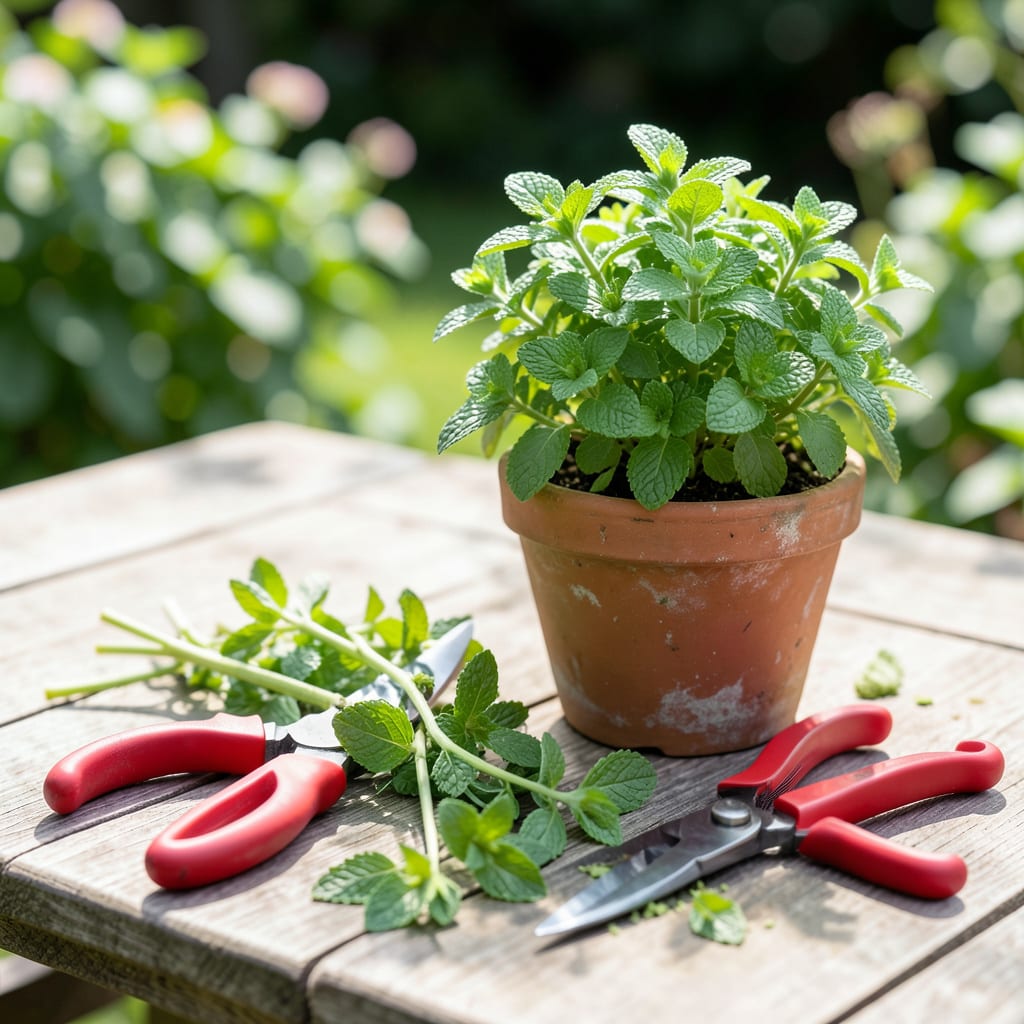
There’s nothing quite like the fresh aroma of homegrown 🌿 Mint to elevate your dishes and drinks. Harvesting at the right time ensures you get the most flavor and keep your plants thriving.
I’ll show you the best techniques to pick Mint without harming the plant, plus tips to store and use your harvest effectively. Let’s get started.


Timing is everything when it comes to harvesting mint. The best time of day is in the early morning, right after the dew has dried but before the sun gets too hot. This is when the essential oils are most concentrated.
Your mint plants should be at least 6-12 inches tall with sturdy, leafy stems. Look for a strong mint aroma when you crush the leaves—this is a sure sign they’re ready. 🌿
| Harvest Sign | Description |
|---|---|
| Plant Height | 6-12 inches tall |
| Stem Condition | Sturdy and leafy |
| Aroma Test | Strong mint scent |
| Leaf Color | Healthy green |
| Best Time | Morning after dew |
Seasonally, mint thrives from June to September. In cooler climates, you might start harvesting a bit later. The key is to watch your plants, not just the calendar. If the leaves look vibrant and smell strong, it’s go time.
Frequent, light harvesting actually encourages bushier growth. I aim to pick a few stems every 2-3 weeks during the growing season. This keeps the plant productive and prevents it from flowering too early.
If you notice flower buds forming, you can still harvest, but the leaves may be slightly less potent. For the best flavor, snip the stems before the flowers fully open. This redirects the plant’s energy into leaf production.
In hot climates, partial shade in the afternoon helps preserve the oil content in the leaves. I’ve found that mint grown in full sun all day can develop a slightly bitter taste if not harvested early.
For container-grown mint, the same rules apply, but check soil moisture more often. Potted plants dry out faster, and stressed mint won’t produce the best flavor. Keep the soil consistently moist but not soggy.
If your mint is still small or the leaves don’t have a strong scent, hold off on harvesting. Picking too early can stunt growth and leave you with a weak plant. Patience pays off with mint!
By following these timing tips, you’ll enjoy fresh, flavorful mint all season long. And remember, the more you harvest, the more your plant will grow back—often even fuller than before. ✂️
Harvesting mint the right way keeps your plants healthy and encourages new growth. I always start with clean, sharp scissors or pruning shears to avoid tearing the stems.
Locate a mature stem with plenty of leaves and snip just above a leaf node. This is where new growth will sprout. Never cut more than 1/3 of the plant at once to prevent stress.
For bushier plants, I like to harvest the outer stems first, leaving the center to continue growing. This method gives you a steady supply throughout the season.
If you’re harvesting large quantities, consider cutting entire stems about 4-6 inches from the ground. This encourages the plant to branch out and produce more foliage.
After harvesting, give your mint a light watering to help it recover. I’ve found that a little liquid fertilizer at this stage can also boost regrowth.
Even experienced gardeners can make simple mistakes when harvesting mint. One of the most common is picking too early. If your mint plant is under 6 inches tall, it’s not ready yet.
Another frequent error is over-harvesting. Never remove more than 1/3 of the plant at once, as this can stress the mint and slow regrowth. Always leave enough foliage for photosynthesis.
⚠️ Warning: Avoid harvesting mint in the heat of the day. The essential oils degrade quickly, leading to weaker flavor and less aromatic leaves.
I’ve also seen gardeners ignore signs of stress in their mint. If the leaves look wilted or yellow, hold off on harvesting until the plant recovers. Stressed plants produce bitter or weak-flavored leaves.
Using dull or dirty tools is another mistake. Always use sharp, clean scissors to make clean cuts. This prevents tearing the stems and reduces the risk of spreading disease.
Finally, don’t harvest mint after rain or when the leaves are wet. Excess moisture can lead to mold or mildew during storage. Always pick on dry, sunny mornings for the best results. ✂️
Early morning after the dew has dried is ideal. This is when the essential oils are most concentrated, giving you the most flavorful leaves.
Never remove more than 1/3 of the plant at a time. This prevents stress and ensures healthy regrowth for future harvests.
Yes, but the leaves may be less potent. For the best flavor, snip stems before flowers fully open to redirect energy into leaf production.
Look for 6-12 inch tall plants with sturdy stems and a strong mint aroma when leaves are crushed. Healthy green leaves are another good sign.
