
Beautiful Plants For Your Interior
Beautiful Plants For Your Interior
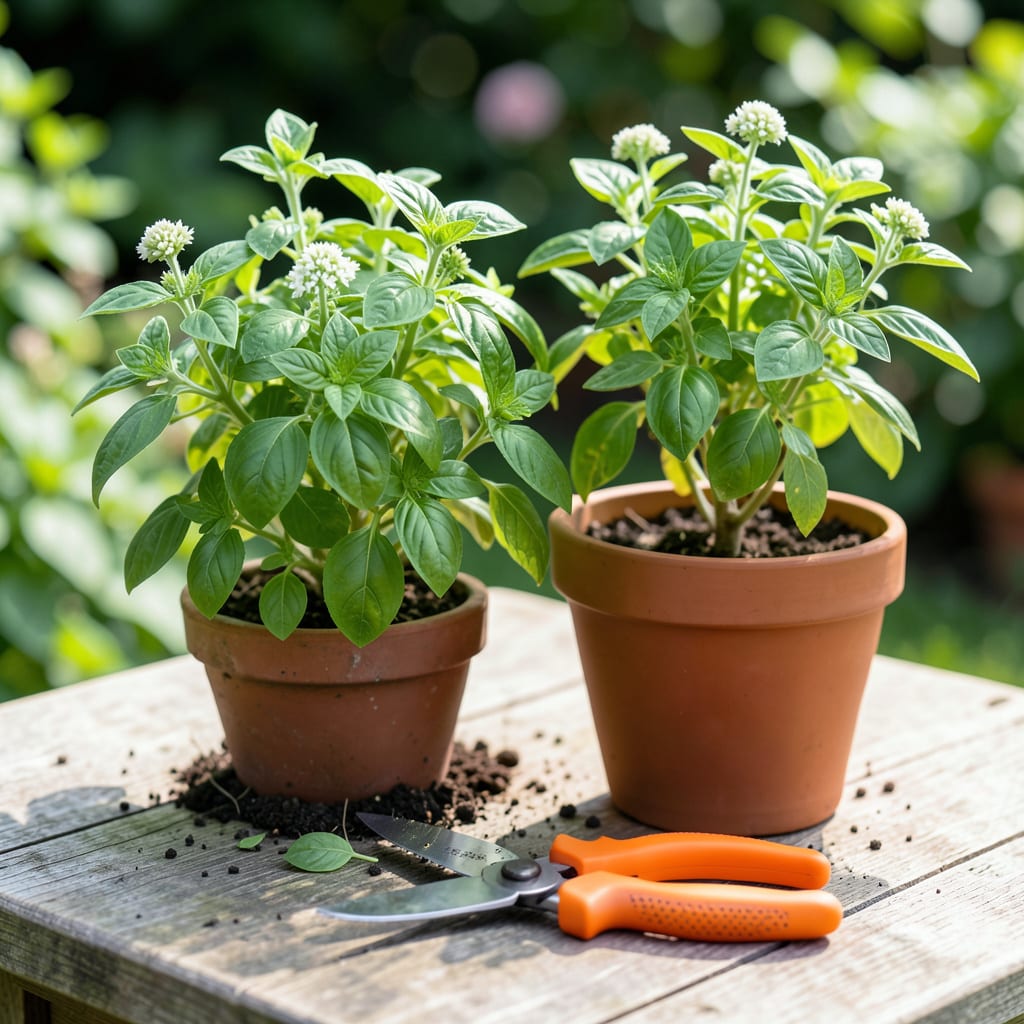
There’s nothing quite like the zing of fresh 🌿 Lemon Basil in your favorite dishes. But did you know the secret to its vibrant flavor lies in how you harvest it?
I’ll show you the best techniques to pick your Lemon Basil at just the right time. These simple methods will keep your plants thriving and your kitchen stocked with aromatic leaves all season long.


Harvesting lemon basil at the right time ensures the strongest citrusy aroma and flavor. I always start by checking the plant’s height—it should be at least 6-8 inches tall before picking.☀️
The best time to harvest is in the early morning, just after the dew dries but before the heat sets in. This is when the essential oils are most concentrated, giving you the freshest taste and fragrance.
I always use clean, sharp tools to prevent tearing the lemon basil stems. Dull blades can crush the plant tissue, leading to quicker wilting and potential disease.
When cutting, focus on the top sets of leaves first. This encourages the plant to grow wider rather than taller, giving you a fuller harvest over time.✂️
Never remove more than 1/3 of the plant at once. Over-harvesting can weaken the lemon basil, reducing its ability to regrow and produce more leaves.
If you notice flower buds forming, harvest those stems immediately. Once flowers bloom, the leaves lose flavor as the plant focuses energy on seed production.
After harvesting, I like to rinse the leaves gently under cool water to remove any dirt or pests. Pat them dry with a paper towel before storing to prevent mold.
For the longest shelf life, store lemon basil stems in a glass of water at room temperature, like cut flowers. Change the water every 2 days for best results.
If refrigerating, wrap the stems in a damp paper towel and place them in a sealed bag. This keeps the leaves fresh for up to a week.🌿
Once you’ve harvested your lemon basil, the next step is keeping it fresh. I’ve found that proper storage makes all the difference in maintaining that bright citrus aroma.☀️
There are several effective methods to extend shelf life, from water immersion to refrigeration. Each approach has its benefits depending on how soon you plan to use your harvest.
The water method works best for short-term storage. I keep my lemon basil stems on the counter like fresh flowers, which maintains their vibrant color and aroma.
For longer storage, I recommend freezing. This preserves the essential oils better than drying, though the texture changes. It’s perfect for cooked dishes where appearance isn’t crucial.✂️
When drying, ensure good air circulation to prevent mold. I like to hang small bundles in my pantry, away from direct light, which helps retain the lemon flavor.
Remember, the key to all storage methods is starting with the freshest harvest. The better the condition when you pick it, the longer it will last in storage.🌿
Harvesting lemon basil incorrectly can ruin your crop and reduce future yields. I’ve seen many gardeners make simple errors that stress their plants and diminish flavor quality.☀️
One of the most common mistakes is harvesting too late in the day. The essential oils that give lemon basil its signature scent are most concentrated in the early morning after dew evaporates.
Over-harvesting: Never remove more than 1/3 of the plant at once to prevent shock.
Dull tools: Always use sharp pruning shears to avoid crushing delicate stems.
Wrong timing: Avoid harvesting during midday heat when oils are weakest.
Flowering stems: Never let basil flower—harvest buds immediately to preserve leaf flavor.
Another critical error is using dirty or dull tools. I always clean my shears with rubbing alcohol between plants to prevent disease spread. Dull blades tear rather than cut, which damages plant tissue.
Many gardeners also harvest at the wrong plant stage. If your lemon basil is still small with pale leaves, it’s not ready. Wait until the plant reaches 6-8 inches tall with vibrant green foliage.✂️
Finally, improper storage after harvest leads to quick spoilage. Never leave cut basil in direct sunlight or sealed containers without airflow. I always check my stored basil daily for any signs of wilting or mold.🌿
Early morning, just after dew dries, is ideal. This is when essential oils peak, giving you the strongest lemon aroma and flavor.
Remove no more than 1/3 of the plant at a time. Taking too much stresses the plant and slows regrowth.
Use sharp pruning shears or clean scissors. Dull tools crush stems, leading to quicker wilting and disease risk.
Look for 6-8 inch tall plants with vibrant green leaves and a strong lemon scent when crushed.
