
Beautiful Plants For Your Interior
Beautiful Plants For Your Interior
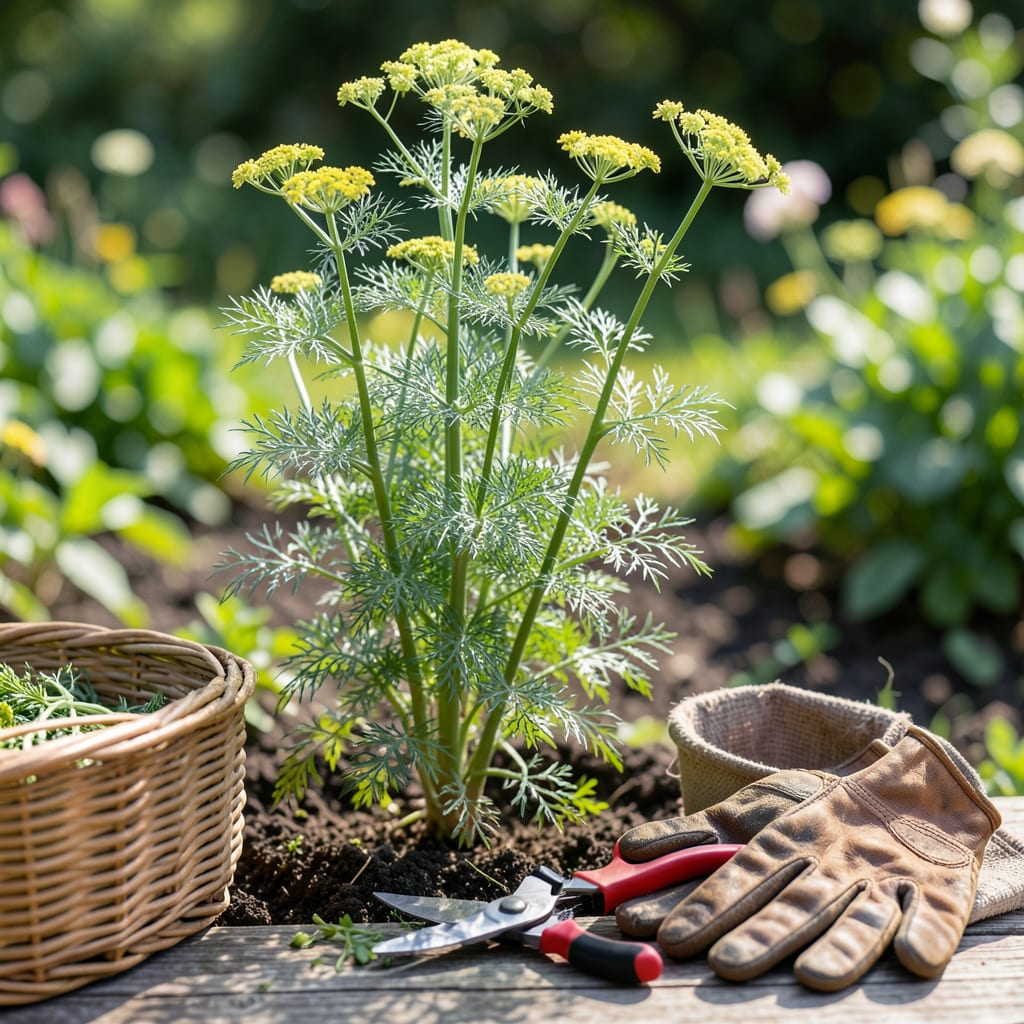
There’s nothing like biting into a crisp pickle with that perfect fresh dill flavor. I’ve learned the hard way that timing is everything when harvesting 🌿 Dill for pickling.
Get it right, and you’ll have the best aromatic pickles. Get it wrong, and you’ll be left with a lackluster taste. Let me show you how to nail it every time.


Timing your dill harvest perfectly ensures the best flavor for pickling. I’ve found that picking too early or too late can ruin the taste. The ideal window is when seed heads form but before they turn brown.
For pickling, you want young dill with tender stems and fresh fronds. This stage gives that bright, tangy flavor that makes pickles pop. Watch for those yellow-green seed heads as your cue.
| Growth Stage | Harvest Readiness | Flavor Profile |
|---|---|---|
| Seedling | ❌ Too early | Mild, underdeveloped |
| Early Leaf Growth | ❌ Still immature | Fresh but weak |
| Flowering | ✅ Perfect for pickles | Bold, aromatic |
| Seed Maturation | ✅ Still good | Strong, slightly bitter |
| Brown Seeds | ❌ Overripe | Bitter, less aromatic |
The flowering stage is your sweet spot. At this point, the dill fronds are lush and packed with essential oils. This is when the flavor is most vibrant for pickling.
If you see seed heads turning yellow-green, it’s go time. The seeds should be flat and dry, not plump. This ensures maximum flavor extraction during the pickling process.
I always check for a strong dill aroma. If the scent is weak, the plant isn’t ready. A robust smell means the essential oils are at their peak, perfect for infusing pickles.
Avoid harvesting when seed heads are fully brown. By then, the flavor turns bitter, and the oils degrade. Your pickles won’t have that fresh, tangy kick we all love.
For continuous harvests, I cut back the main stem but leave some foliage. This encourages new growth, giving you multiple batches of dill for pickling throughout the season.
Remember, morning harvesting is best. The plants are most hydrated, and the oils are most concentrated after the dew dries but before the midday heat sets in. ✂️
Finally, always use sharp tools to avoid crushing the stems. A clean cut ensures the plant stays healthy and can regrow for future harvests. 🌿
Harvesting dill for pickles requires precision to keep plants healthy and productive. I always start by inspecting the seed heads for that perfect yellow-green color, a sure sign they’re ready.
Using the right harvesting technique ensures your dill continues to thrive. Sharp pruning shears or scissors are essential for clean cuts that prevent stem crushing and disease.
I prefer to harvest dill in the early morning when the essential oils are most concentrated. This timing gives your pickles that bold, fresh flavor we all crave.
When cutting, I
Always sanitize your tools before starting. Clean shears prevent the spread of disease between plants, keeping your dill patch healthy and productive. ✂️
After harvesting, I gently rinse the dill to remove any garden debris. Pat it dry with a clean cloth to preserve the aromatic oils before using it in pickles.
For the best results, harvest frequently. Regular cutting stimulates new growth, giving you a steady supply of fresh dill for all your pickling needs. 🌿
Even experienced gardeners can make critical errors when harvesting dill for pickles. I’ve seen too many batches ruined by simple oversights that are easy to prevent with the right knowledge.
One of the biggest mistakes is harvesting too late. Once those seed heads turn fully brown, the flavor becomes bitter and the essential oils degrade, leaving your pickles lacking that fresh, tangy punch.
⚠️ Warning: Avoid harvesting dill when seed heads are fully brown—this results in bitter, weak-flavored pickles. Always cut before this stage!
Another common pitfall is using dull tools. Crushed stems from blunt shears can damage the plant and reduce regrowth potential. I always keep my pruning shears sharp for clean, precise cuts.
Ignoring plant health during harvest can also backfire. Never remove more than 1/3 of the plant at once, as this stresses the dill and limits future yields. I harvest outer stems first to let inner growth mature.
Finally, harvesting at the wrong time of day affects flavor. Midday heat can cause oils to dissipate, so I always gather dill in the early morning when oils are most concentrated. ✂️
Early morning is ideal after dew evaporates but before midday heat. This is when essential oils are most concentrated for maximum flavor in your pickles.
Look for yellow-green seed heads with flat, dry seeds. A strong, pungent dill aroma is the final confirmation it’s perfect for pickling.
Yes, but act quickly. Once seed heads turn fully brown, the flavor becomes bitter. Harvest during flowering for the best pickle results.
Use sharp shears to cut 4-6 inches above soil, just above a leaf node. Always harvest outer stems first to encourage regrowth.
