
Beautiful Plants For Your Interior
Beautiful Plants For Your Interior
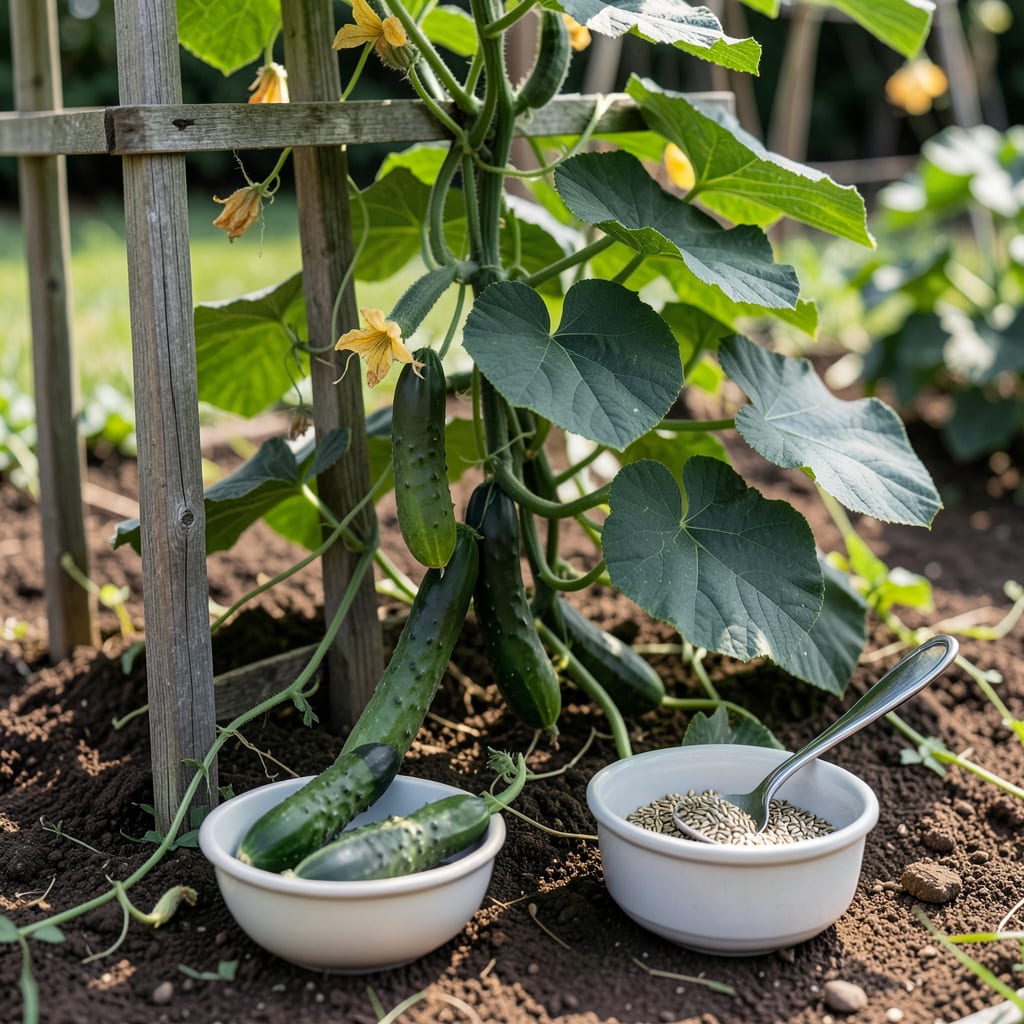
Saving seeds from your best 🥒 Cucumber plants means better harvests next year. These homegrown seeds adapt to your garden’s unique conditions, making them tougher and more reliable.
I’ll walk you through the easiest way to collect and prepare seeds, from picking the ripest cucumbers to proper drying and storage. Let’s get started.


Harvesting cucumber seeds starts with selecting the ripeness fruit. Look for cucumbers that have turned yellow or orange and feel soft to the touch. These are past the eating stage but perfect for seeds.
I always leave my best cucumber plants to mature fully on the vine. The seeds inside will be large and plump, which is exactly what you want for next season’s garden.
The fermentation step is crucial. It removes the gel coating that can inhibit germination and helps kill any bacteria on the seeds. I use a simple mason jar for this process.
After fermentation, you’ll notice the viable seeds sink to the bottom while the non-viable ones float. This natural separation makes it easy to collect only the best seeds.
For drying, spread the seeds on paper towels in a single layer. Avoid using paper plates as they can retain moisture. The seeds are ready when they snap easily when bent.
I recommend storing your dried seeds in paper envelopes first, then placing those in airtight containers. This double protection keeps them safe from moisture and pests.
Label your containers with the variety name and harvest date. Cucumber seeds typically remain viable for 5-10 years when stored properly, though I’ve had best results using them within 3 years.
Remember that only heirloom or open-pollinated varieties will produce seeds true to type. Hybrid cucumbers often result in plants that revert to one of their parent varieties.
With these simple steps, you’ll have a reliable supply of cucumber seeds perfectly adapted to your garden’s conditions. Next season’s harvest will thank you for the effort you put in now. 🌱
Even experienced gardeners can make critical errors when saving cucumber seeds. One of the most common is harvesting from hybrid varieties, which won’t produce true-to-type plants next season.
Another frequent mistake is skipping the fermentation process. This step is essential for removing the gel coating that can prevent germination and harbor diseases.
I’ve learned that improper drying can ruin a good seed batch. Spreading seeds too thickly or using non-breathable surfaces leads to mold growth. Always use paper towels and single-layer spreading.
Some gardeners store seeds in plastic bags without paper protection. This traps moisture and invites mold. My solution is to use paper envelopes inside airtight containers for the best results.
Another oversight is not labeling seeds properly. Without variety names and dates, you might accidentally plant old seeds with low viability. I use waterproof labels and store them with silica packets for extra protection.
Finally, remember that cross-pollination can affect seed purity. If you’re growing multiple cucumber varieties, consider hand-pollinating or using isolation techniques to maintain genetic purity. 🌱
For reliable seed saving, always choose heirloom or open-pollinated cucumbers. These produce seeds that grow true to type, unlike hybrids that may revert to parent traits.
I’ve had great success with varieties like ‘Straight Eight‘, ‘Lemon’, and ‘Armenian’. Each offers unique flavors and growth habits perfect for home gardens.
| Variety | Type | Best For |
|---|---|---|
| Straight Eight | Heirloom | Slicing, classic flavor |
| Lemon | Heirloom | Small, sweet, pickle-like |
| Armenian | Open-Pollinated | Long, ribbed, mild taste |
‘Straight Eight’ is my go-to for dependable slicing cucumbers. Its uniform shape and disease resistance make it a garden staple for seed saving.
The ‘Lemon’ cucumber is ideal for small spaces. Its compact vines and sweet flavor make it perfect for containers, and its seeds are easy to harvest.
For something unique, try ‘Armenian’ cucumbers. Their long, ribbed fruits add visual interest to the garden, and they’re excellent for fresh eating or pickling. 🌱
Look for cucumbers that have turned yellow or orange with soft, wrinkled skin. The seeds inside should be large and cream-colored, not small and white.
Fermenting for 2-3 days removes the gel coating that can prevent germination. It also helps eliminate bacteria that could harm future plants.
Avoid seeds from store-bought hybrids—they won’t grow true. Stick to heirloom or open-pollinated varieties for reliable results.
Properly dried and stored seeds stay viable for 5-10 years. For best results, use them within 3 years and keep in a cool, dark place.
