
Beautiful Plants For Your Interior
Beautiful Plants For Your Interior
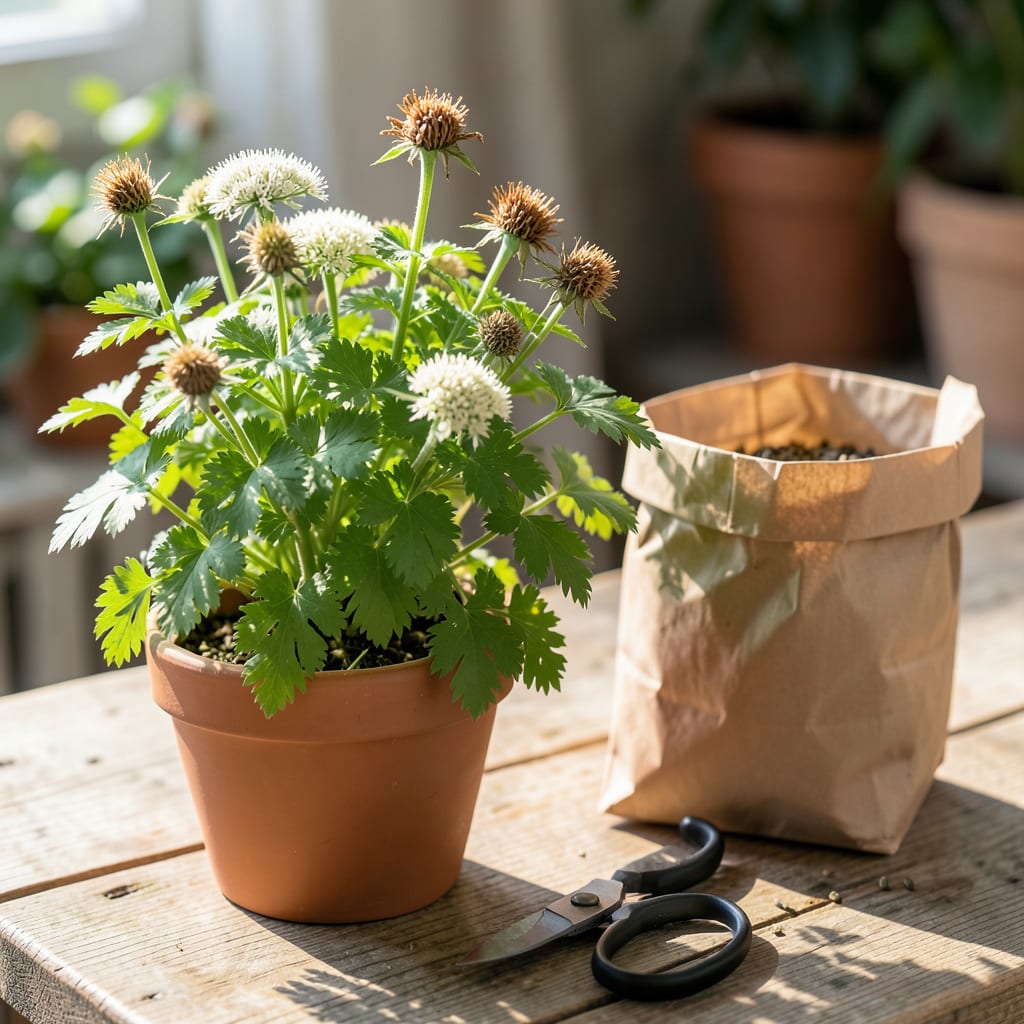
Nothing beats the satisfaction of growing your own 🌿 Coriander and harvesting its flavorful seeds. I remember my first attempt – the aroma alone was worth the effort.
With the right timing and simple techniques, you can collect seeds packed with bold flavor for your kitchen or next planting season. Let me show you how to get it right.


Timing is everything when harvesting coriander seeds. I’ve learned the hard way that picking too early gives you weak flavor, while waiting too long risks losing seeds to shattering.
The best window is when seed heads turn brown and the seeds inside are light tan. This usually happens 70-90 days after planting.
| Stage | Sign |
|---|---|
| Plants | Turn brown |
| Seed heads | Dry and brittle |
| Seeds | Light brown color |
| Sound test | Rattle inside pods |
I check my plants daily when they’re nearing maturity. The sound test is my favorite trick—gently shake the seed heads. If you hear a rattle, they’re ready.
Avoid harvesting when plants are still green or seeds are white. These are signs your coriander seeds aren’t fully developed yet.
Weather matters too. I always aim for a dry, sunny day to harvest. Morning is ideal because the dew has evaporated but the heat hasn’t peaked yet.
If rain is forecasted, I’ll harvest a day early to prevent mold development. Wet seeds can spoil quickly, ruining your entire batch.
For the best results, I wait until 50-70% of seeds on the plant are ready. This ensures a good balance between ripeness and preventing loss from shattering.
Remember, coriander plants don’t all mature at once. I harvest in stages, checking each seed head individually for readiness.
With practice, you’ll develop an eye for the perfect moment. I’ve found that early morning harvesting gives me the best results every time. ☀️
Once you’ve harvested your coriander seeds, proper drying is crucial to preserve their aroma and flavor. I always start by removing any remaining plant debris to prevent mold.
Spread the seeds in a single layer on a clean tray or paper towel. Place them in a well-ventilated area away from direct sunlight to dry evenly.
For the hanging method, I tie seed heads in small bundles and hang them in a dark, dry place. This works well if you have limited space.
A paper bag is great for catching seeds as they dry. Just poke a few ventilation holes and place the seed heads inside. Shake the bag daily to help seeds release.
If you’re using a dehydrator, set it to the lowest temperature. Anything above 100°F can damage the essential oils in the seeds.
Your seeds are fully dry when they’re hard and brittle. Test by pressing one—if it doesn’t bend, it’s ready for storage. I store mine in glass jars in a cool, dark cupboard to maintain freshness.
Remember, moisture is the enemy. Always ensure seeds are completely dry before sealing them to prevent mold growth. ✂️
Even experienced gardeners can make mistakes when harvesting coriander seeds. I’ve ruined batches by rushing the process or skipping key steps, so let me share what I’ve learned the hard way.
One of the biggest errors is harvesting seeds that aren’t fully ripe. If the seed heads are still green or the seeds are white, they won’t have developed their full flavor profile.
Avoid these common errors: early harvesting, wet conditions, and poor storage that ruin seed quality.
Another mistake is harvesting in wet weather. Moisture leads to mold growth and can ruin your entire harvest. I always check the forecast and pick a dry, sunny morning for the best results.
Improper drying is just as damaging. Leaving seeds in direct sunlight can cause them to lose their essential oils, while not drying them enough invites mold. I spread mine in a single layer in a well-ventilated area.
Finally, don’t skip the cleaning step. Plant debris mixed with seeds can cause spoilage. I gently remove any leaves or stems before drying to ensure a clean, long-lasting product.
By avoiding these pitfalls, you’ll get maximum flavor and longer shelf life from your harvest. It’s the attention to detail that makes the difference. 🌱
Look for brown plants and dry, brittle seed heads. Seeds should be light brown and rattle when shaken. This typically occurs 70-90 days after planting.
Spread them in a single layer on a tray in a well-ventilated area away from direct sunlight. They’re ready when hard and brittle, usually after 1-2 weeks.
Avoid harvesting in wet conditions. Moisture can cause mold growth and ruin your harvest. Always choose a dry, sunny morning for best results.
Properly dried and stored seeds last 1-2 years in airtight containers in a cool, dark place. Check for moisture before sealing to prevent spoilage.
