
Beautiful Plants For Your Interior
Beautiful Plants For Your Interior
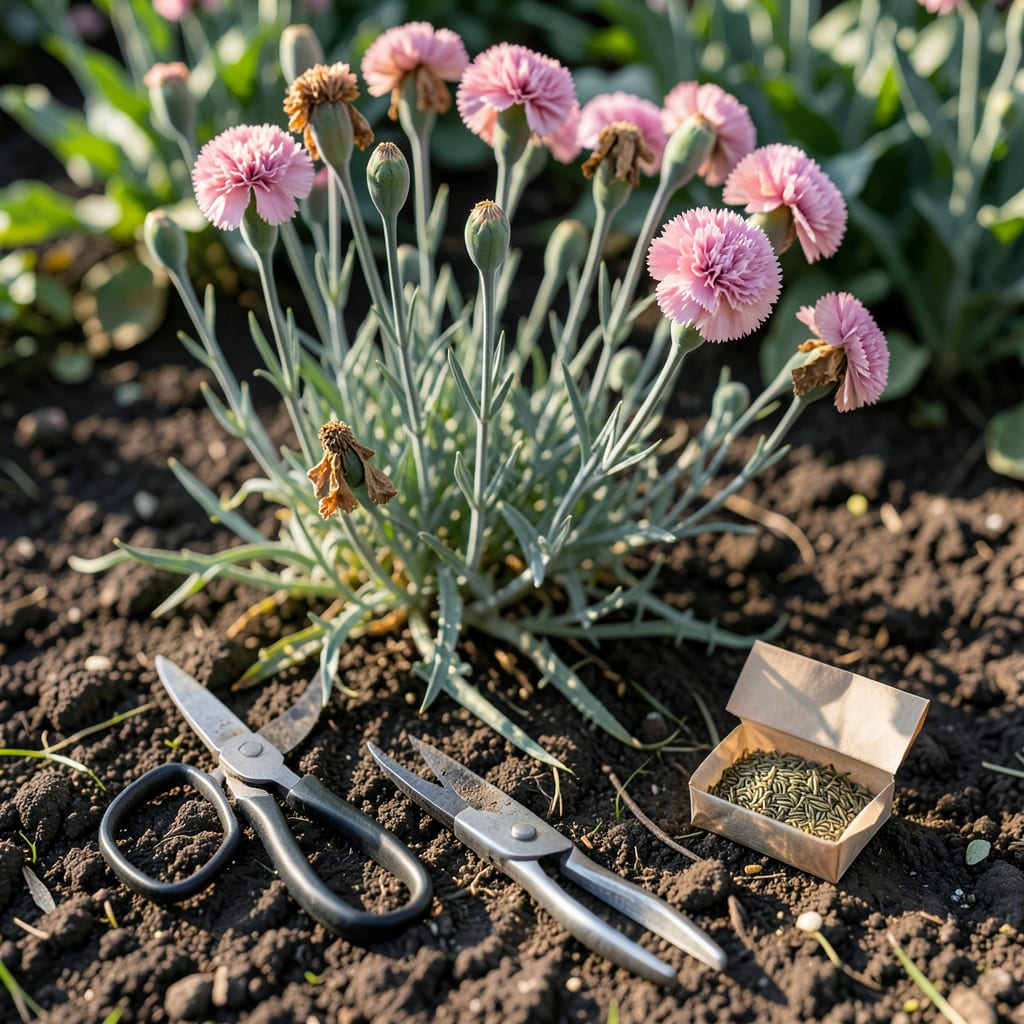
I remember the first time I tried saving seeds from my 🌼 Carnation plants – I picked them way too early. Timing is everything when it comes to harvesting these delicate seeds.
Discover the easiest way to collect viable seeds at their peak. I’ll share the simple signs to look for so you never miss the perfect harvest window again.


Timing is everything when harvesting carnation seeds. I’ve found that waiting for the seed pods to turn brown and begin splitting naturally gives the best results for germination. Harvesting too early means immature seeds, while waiting too long risks losing them to wind or weather.
The ideal window for most varieties is late summer to early fall, typically 90–150 days after planting. Watch for dark brown or black seeds inside dry, papery pods as your cue to start collecting. This ensures maximum viability for next season’s blooms. 🌼
| Stage | Sign |
|---|---|
| Early | Pods turn green to brown |
| Ready | Pods feel dry and papery |
| Peak | Seeds are dark brown/black |
| Late | Pods split open naturally |
I always check my carnation plants in the morning when the air is dry. This is the best time to spot mature seed pods before dew or moisture complicates the harvest. A gentle squeeze will confirm if the pod is ready—it should feel crisp, not soft.
Remember, seasonal timing varies by climate. In USDA Zone 6, I start monitoring in July, while warmer zones may see readiness earlier. Cooler areas might need to wait until September for full maturity.
If you notice seed pods still green or plump, they’re not ready. These contain immature seeds that won’t germinate. Patience pays off—wait for the color shift and texture change to ensure success.
For heirloom varieties, I’ve found that open-pollinated carnations produce the most reliable seeds. Hybrid types may not breed true, so stick with trusted non-hybrid plants for consistent results year after year.
Another pro tip: Label your pods as they mature. Different carnation varieties may ripen at slightly different times, and keeping track ensures you don’t mix up your seed collections.
Finally, watch the weather forecast. A dry spell is perfect for harvesting, while rain or high humidity can delay the process or cause mold. I aim for at least 3–5 dry days in a row before collecting. ✂️
By following these timing cues and environmental signals, you’ll harvest high-quality carnation seeds that are ready to grow into next season’s stunning blooms. It’s a rewarding process that connects you deeply with your garden’s cycle. 🌱
Harvesting carnation seeds is a straightforward process when you have the right approach. I always start by gathering a few essential tools: sharp scissors, a paper bag, and gloves to keep things clean and efficient.
The first step is identifying fully mature pods. Once they’re dry and papery, I carefully snip them from the plant using sterilized scissors. Be gentle to avoid crushing the delicate pods.
After collecting, I spread the pods on a clean, dry surface to finish drying. A paper towel or parchment paper works perfectly. Avoid plastic, as it can trap moisture and cause mold.
Once completely dry, I gently open the pods to release the tiny black seeds. These are your future carnation blooms, so handle them with care. I use a fine-mesh strainer to separate seeds from chaff.
For storage, I prefer airtight containers like glass jars or seed envelopes. Keep them in a cool, dark place to maintain viability. Properly stored seeds can last 2–3 years.
I’ve found that labeling everything is crucial. Include the variety name and harvest date to stay organized. This makes planting next season much easier. ✂️
With these simple steps, you’ll have a bountiful supply of carnation seeds ready for next year’s garden. It’s a satisfying way to preserve your favorite blooms and share them with fellow gardeners. 🌼
Even experienced gardeners can make simple errors when harvesting carnation seeds. I’ve learned the hard way that timing missteps and improper handling can ruin an entire seed collection. Let’s avoid these pitfalls together.
One of the most common issues is harvesting too early. If the seed pods are still green or soft, the seeds inside won’t be mature enough to germinate. Always wait for that dry, papery texture and dark coloring.
Harvesting wet pods can lead to mold during storage.
Using plastic bags traps moisture and ruins seed viability.
Skipping labels means losing track of varieties and harvest dates.
Storing in humid areas causes seeds to spoil quickly.
Another mistake is exposing seeds to direct sunlight during drying. While carnations love sun, their seeds need indirect light and good airflow to dry properly without damage.
I’ve also seen gardeners over-dry seeds, leaving them in extreme heat or for too long. This can reduce viability. Aim for a cool, dry place and check seeds after 1–2 weeks of drying.
Finally, poor storage is a silent killer of seeds. Avoid plastic containers or humid locations. I use glass jars with silica packets to keep moisture at bay. This simple step extends seed life significantly. ✂️
They turn fully brown and feel dry and papery. The best sign is when they begin to split open naturally, revealing dark brown or black seeds inside.
Stick with open-pollinated or heirloom types for reliable results. Hybrid carnations often produce seeds that won’t grow true to the parent plant, leading to unpredictable blooms.
When stored properly in airtight containers in a cool, dark place, they typically remain viable for 2–3 years. Always label with the variety and date for best tracking.
Picking pods too early is the most common error. If they’re still green or soft, the seeds won’t germinate. Wait for the dry, crisp texture to ensure maturity.
