
Beautiful Plants For Your Interior
Beautiful Plants For Your Interior
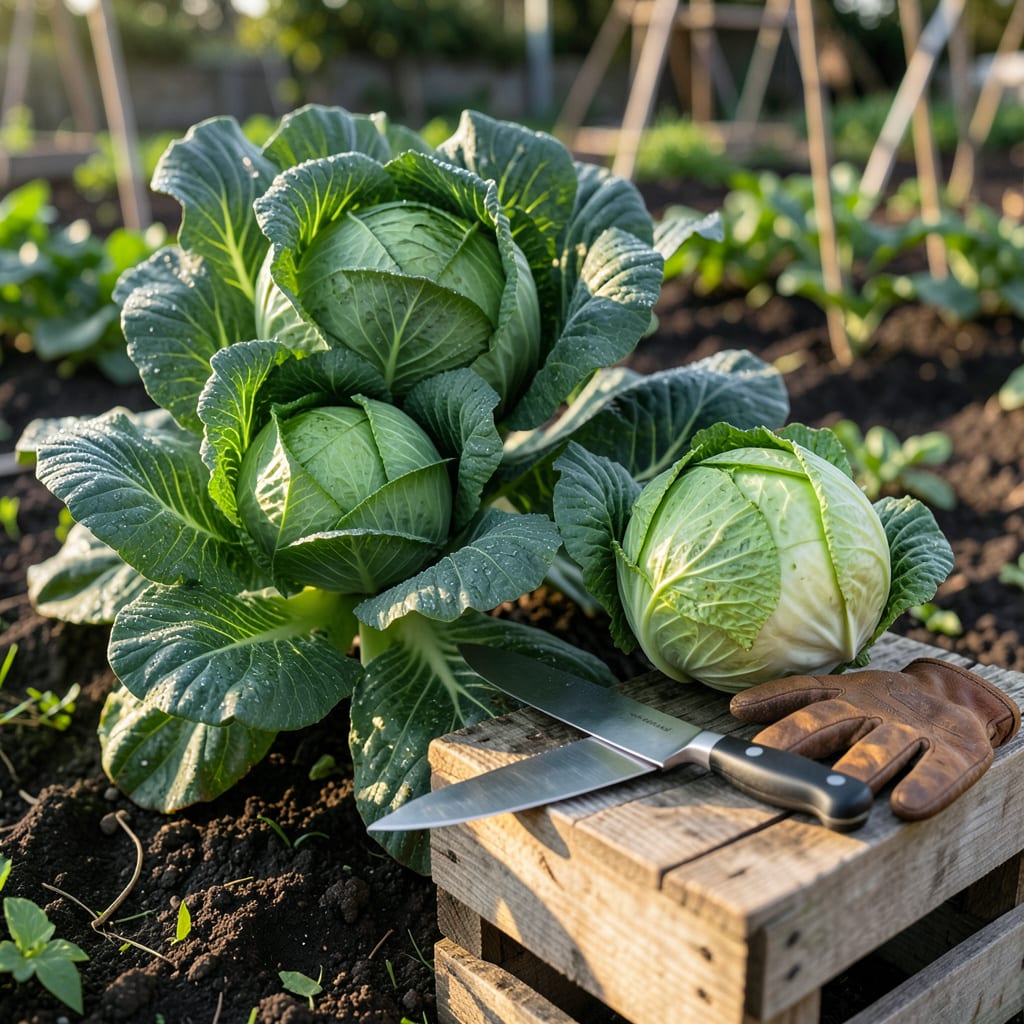
Nothing beats the satisfaction of pulling a perfect head of 🥬 cabbage from your garden at just the right moment. But knowing when it’s truly ready can be tricky.
I’ll walk you through the key signs of readiness and the best techniques to ensure a clean harvest. Let’s get your cabbage from garden to table at peak freshness.


Timing your cabbage harvest is crucial for the best flavor and optimal texture. Picking too early results in loose heads, while waiting too long can lead to splitting or bitterness.
I look for firm heads that feel solid when gently squeezed. Size matters too—most varieties reach 6-8 inches in diameter at maturity, but always check your seed packet for specifics.
| Variety | Maturity Time | Head Size | Key Sign |
|---|---|---|---|
| Green Cabbage | 60-80 days | 6-8 inches | Firm to touch |
| Red Cabbage | 70-90 days | 7-9 inches | Deep color |
| Savoy Cabbage | 80-100 days | 5-7 inches | Crinkled leaves |
The outer leaves often give the first clue. When they start to yellow slightly, it’s a sign the head is nearing readiness. This is especially true for green cabbage varieties.
For red cabbage, I wait until the color deepens to a rich purple. Savoy cabbage is ready when its crinkled leaves feel dense and the head holds its shape.
Seasonal timing matters too. Spring-planted cabbage typically matures in 60-80 days, while fall crops might take a bit longer due to cooler temperatures.
I always check the stem base—a thick, sturdy stem indicates the plant has put enough energy into the head. If it feels flimsy, I give it more time.
Don’t rely on size alone. A firm head is the best indicator, even if it’s slightly smaller than expected. Overmature cabbage can split, especially after heavy rain.
If you’re growing multiple varieties, keep notes on planting dates. This helps track when each type should be ready for peak harvest conditions.
Early morning is my preferred harvest time. The heads are crisp from overnight dew, and the cooler temperatures help preserve freshness during storage. ☀️
Harvesting cabbage properly ensures healthy plants and clean cuts. I always start by gathering the right tools: a sharp knife and gardening gloves to protect my hands from the often tough outer leaves.
The first step is to inspect the head one last time for firmness and size. Once confirmed, I use my knife to make a clean cut about 1-2 inches above the base, leaving some outer leaves intact.
After cutting, I remove any loose or damaged leaves to prevent them from drawing energy from the remaining plant. This also helps reduce the risk of pests or diseases setting in on the stem.
Leaving the root system in the ground can sometimes produce a second harvest. I’ve had success with smaller heads forming from the remaining stem, especially in cool climates with consistent moisture.
If regrowth isn’t a goal, I pull the entire plant and add it to my compost pile. The nutrients will benefit future crops, and it keeps my garden bed clean and ready for the next planting.
Finally, I always clean my tools after harvesting to prevent the spread of disease. A quick wipe with rubbing alcohol does the trick, and it keeps my knives sharp for the next use. ✂️
Even experienced gardeners make harvesting mistakes that can ruin a perfect cabbage crop. The most common error I see is picking too early—those loose heads won’t store well and lack sweetness.
On the flip side, waiting too long causes heads to split, especially after heavy rain. Once a head splits, it’s vulnerable to pests and rot, and the flavor turns bitter.
⚠️ Harvesting Pitfalls
Avoid these common errors: harvesting in heat (leads to wilt), using dull tools (crushes stems), and ignoring storage prep (reduces shelf life).
Using dull tools is another mistake that crushes the stem, making the plant more susceptible to disease. I always sharpen my knife before heading to the garden.
Harvesting during the hottest part of the day stresses the plant and leads to wilted heads. I prefer early morning when temperatures are cool and the heads are crisp.
Finally, many gardeners forget post-harvest care. Leaving harvested heads in the sun too long can cause wilting. I immediately move mine to a shaded area and store them properly. ✂️
Gently squeeze the head—it should feel firm and dense. Look for slight yellowing of outer leaves and a thick stem. Size varies by type, but most reach 6-9 inches in diameter.
Early morning is ideal when heads are crisp from overnight dew. Avoid harvesting during the hottest part of the day, as this can cause wilting and reduce freshness.
Yes! Leave the root system intact after cutting. In cool climates with consistent moisture, smaller heads may regrow from the remaining stem for a second harvest.
Overmature heads can split, especially after heavy rain. This makes them vulnerable to pests and rot and turns the flavor bitter. Check readiness every 2-3 days as maturity approaches.
