
Beautiful Plants For Your Interior
Beautiful Plants For Your Interior
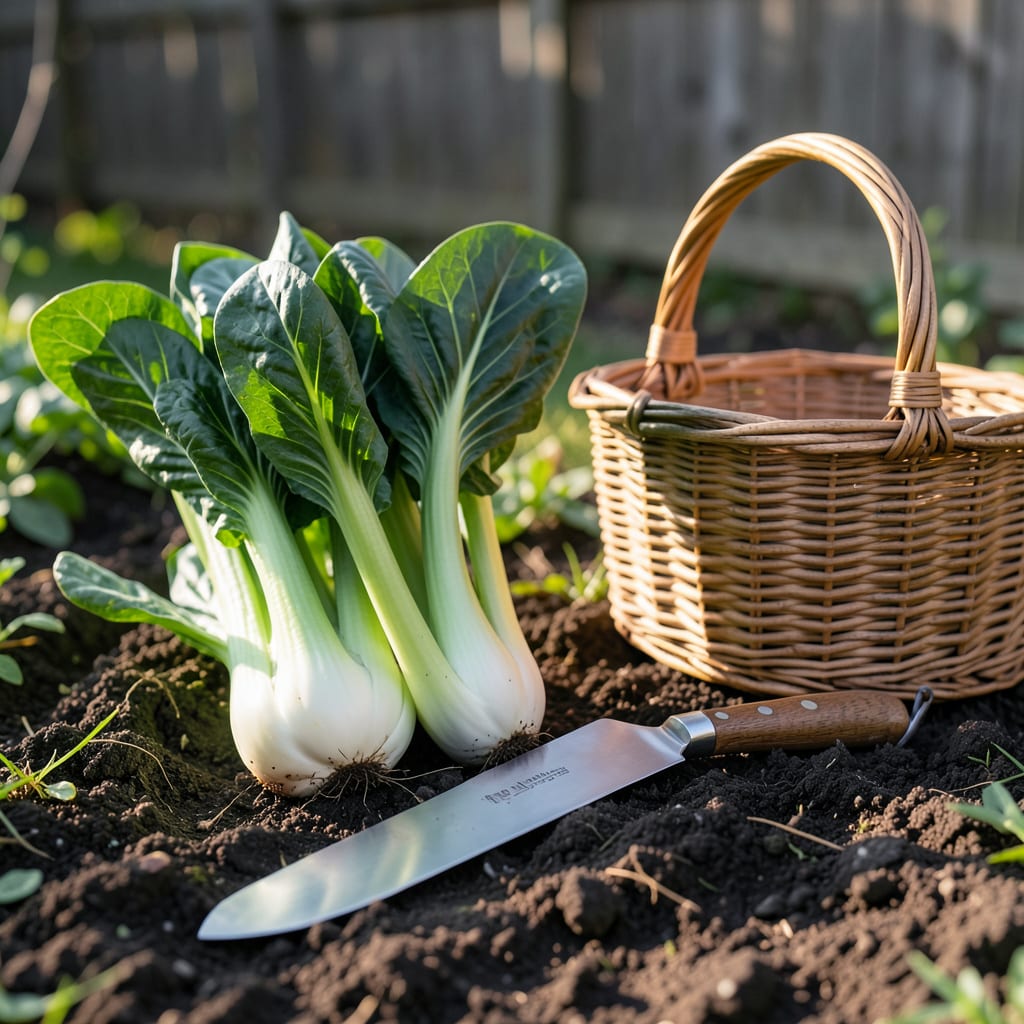
Nothing beats the satisfaction of picking fresh 🥬 Bok Choy from your garden, knowing it’s at peak flavor and tenderness. Timing is everything when it comes to harvesting this versatile vegetable.
I’ll show you the easiest way to use the cut-and-come-again method, so you can enjoy multiple harvests from a single plant. Let’s get started on this rewarding process.


The cut-and-come-again method is my go-to for harvesting bok choi because it lets me enjoy multiple harvests from a single plant. This approach keeps the plant healthy while encouraging new growth.
I always start by checking that my bok choi has reached 12-18 inches in height with firm stalks and vibrant leaves. This ensures the best flavor and texture.
I’ve found that harvesting in the early morning helps retain the most moisture in the leaves. The cooler temperatures also reduce stress on the plant, which is great for regrowth.
When cutting, I
For the best results, I use sharp scissors or pruning shears to make clean cuts. Dull tools can crush the stems, which may lead to disease or slower regrowth.
After harvesting, I always water the plant thoroughly. This helps it recover and encourages new growth. If the soil is dry, I give it a deep soak to ensure the roots get enough moisture.
If you want to extend your harvest season, consider fertilizing lightly after each harvest. A balanced fertilizer can give your bok choi the nutrients it needs for continued growth. 🌱
Finally, I keep an eye out for pests or diseases after harvesting. Healthy plants recover faster, so I
Knowing when your bok choi is ready makes all the difference. I look for 12-18 inch plants with thick stalks and vibrant green leaves as clear signs of maturity.
If the stalks are thin or the leaves are yellowing, your plant isn’t ready yet. Harvesting too early can stunt growth and reduce flavor. 🌱
Harvesting too early: Thin stalks and small leaves mean the plant needs more time.
Cutting too low: Always leave 1-2 inches of stem to allow for regrowth.
Using dull tools: Clean, sharp scissors or shears prevent stem damage and disease.
I also watch for bolting signs, like flower stalks emerging. Once bok choi bolts, the leaves turn bitter, so harvest before this happens.
Another key indicator is stalk firmness. When pressed gently, mature stalks should feel solid and crisp, not soft or spongy.
For container-grown bok choi, the same rules apply. I check that the soil is moist but not soggy before harvesting to reduce plant stress.
After harvesting, I inspect the plant for pest damage or disease signs. Early detection helps maintain plant health for future harvests. 🌿
Using the right tools makes all the difference when harvesting bok choi. I always reach for my sharp scissors or pruning shears to ensure clean cuts that won’t harm the plant.
After harvesting, I give my plants a deep watering to help them recover. This step is crucial for encouraging new growth and keeping the soil consistently moist. 🌱
| Tool/Task | Purpose |
|---|---|
| Sharp scissors | Clean cuts for healthy regrowth |
| Pruning shears | Precise harvesting of thick stalks |
| Deep watering | Rehydrates soil after harvest |
| Balanced fertilizer | Boosts nutrients for regrowth |
I also apply a light fertilizer after each harvest to replenish nutrients. A 5-10-10 balanced fertilizer works well for bok choi, promoting strong regrowth.
To protect my plants, I inspect them for pests or diseases after harvesting. Healthy plants recover faster, so I remove any damaged leaves and ensure good airflow. ✂️
Finally, I keep my bok choi in partial shade during hot afternoons to prevent stress. This simple step helps maintain vibrant leaves and encourages continuous production. 🌿
Harvest in the early morning when leaves are most hydrated and crisp. This timing helps preserve freshness and reduces stress on the plant.
Look for 12-18 inch height with thick stalks and vibrant green leaves. Stalks should feel firm when gently pressed.
Yes! The cut-and-come-again method lets you remove outer leaves while leaving the center to regrow. Always leave 1-2 inches of stem above soil.
Overmature plants may bolt (flower), causing leaves to turn bitter. Harvest before flower stalks appear for the best flavor and texture.
