
Beautiful Plants For Your Interior
Beautiful Plants For Your Interior
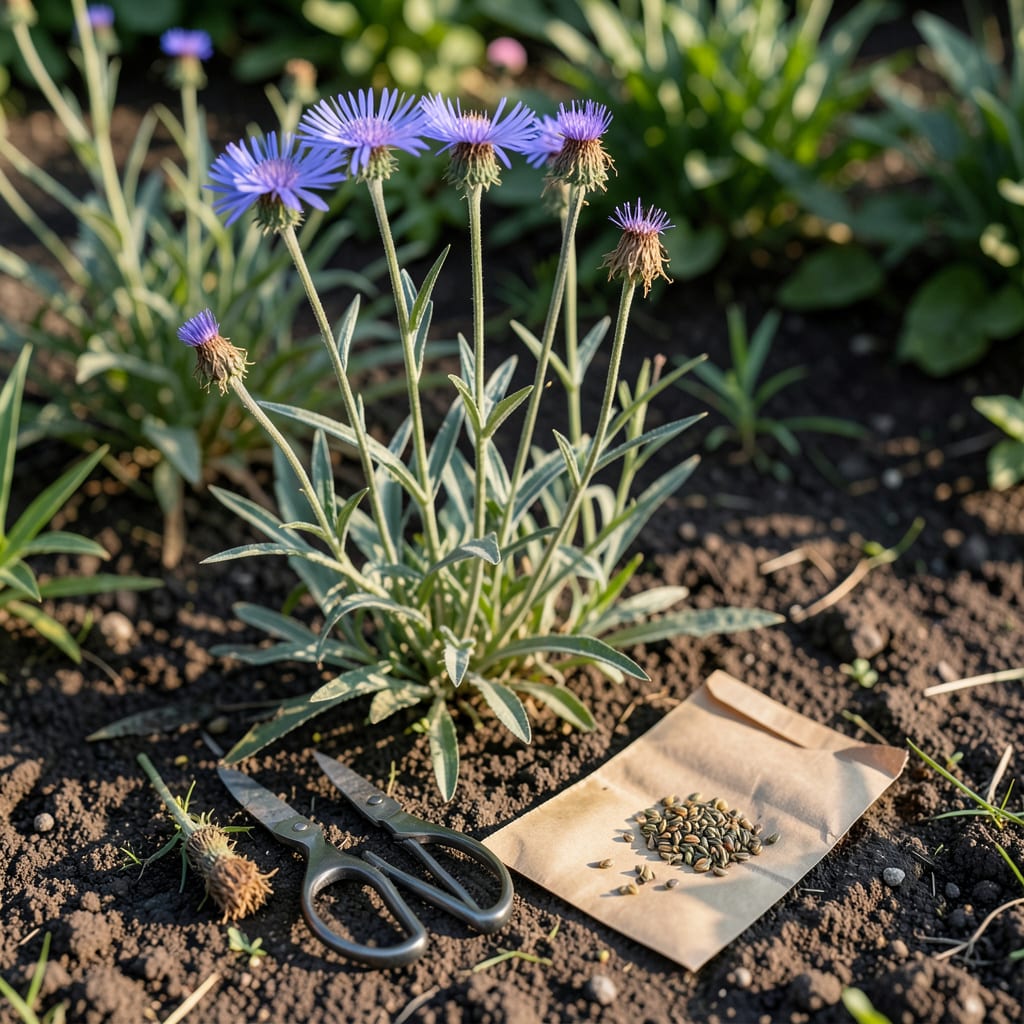
Want to save seeds from your favorite 🌼 Bachelor Button blooms for next year? Collecting them at the right moment makes all the difference between success and disappointment.
I’ll show you the easiest way to harvest seeds when they’re perfectly ripe and ready to store. Let’s get started.


Timing is everything when collecting bachelor button seeds. These vibrant flowers produce seeds only when fully mature. I always wait until the flower heads turn completely brown and dry.
You’ll notice the petals fall off easily, and the seed heads feel papery to the touch. This is nature’s way of signaling that the seeds are ready for collection.
| Stage | Sign |
|---|---|
| Early | Flower heads still colorful |
| Not Ready | Seed heads feel green or moist |
| Ready | Heads turn brown and dry |
| Peak | Seeds rattle inside when shaken |
The best time to harvest is typically late summer or early fall, when most of your bachelor buttons have finished blooming. I check my plants daily once they start showing signs of drying.
Look for dry and brittle stems as another indicator. If the stem snaps easily when bent, your seeds are likely ready. This usually happens 60-90 days after planting, depending on growing conditions.
I’ve found that morning harvesting works best. The seeds are driest after the dew has evaporated but before the afternoon humidity sets in. This helps prevent any moisture damage during storage.
Remember that weather conditions affect seed maturity. A hot, dry summer may speed up the process, while a cool, wet season could delay it. Always go by the plant’s appearance rather than the calendar.
For the most viable seeds, I focus on the healthiest plants in my garden. These will produce the strongest seeds for next year’s flowers. Avoid collecting from diseased or struggling plants.
Once you’ve confirmed the seeds are ready, move quickly to collect them. Birds and wind can disperse your seeds if you wait too long. I keep a close eye on my plants during this critical period.
This careful timing ensures your bachelor button seeds will germinate well next season, giving you another round of beautiful blooms 🌼
Once your bachelor button seeds are ready, I use a simple method to collect them without damaging the delicate heads. I start by cutting the dried flower stems about 6 inches below the seed head.
This gives me enough stem to handle without disturbing the seeds. I place the cut stems in a paper bag to catch any seeds that might fall during transport. This prevents loss and keeps my workspace clean.
I always use sharp scissors or pruners to make clean cuts. Dull tools can crush the stems and potentially damage the seeds. I also recommend wearing gloves if you have sensitive skin, as the dry stems can be scratchy.
After collecting the stems, I let them dry further in the bag for 2-3 days. This ensures any remaining moisture evaporates. Then I gently rub the seed heads between my fingers to release the seeds.
For storage, I use paper envelopes rather than plastic. Paper allows the seeds to breathe, preventing mold growth. I label each envelope with the date and variety for easy identification next season.
I store my seeds in a cool, dark place like a basement or closet. The ideal temperature is between 40-50°F. Properly stored, bachelor button seeds can remain viable for 2-3 years 🌼
Even experienced gardeners can make simple errors when harvesting bachelor button seeds. The most common mistake I see is harvesting too early. Picking seeds before they’re fully mature results in poor germination rates.
Another frequent issue is using plastic bags for collection. Plastic traps moisture, which can cause mold growth and ruin your seeds before you even store them.
Avoid these common mistakes to keep your seeds viable:
I’ve learned that improper storage is another major issue. Keeping seeds in a warm attic or damp basement significantly reduces their lifespan. Always choose a cool, dry location for long-term storage.
Some gardeners make the mistake of collecting from weak plants. Always select seeds from your healthiest, most vigorous bachelor buttons to ensure strong offspring next season.
Finally, don’t rush the process. Let the seed heads fully dry on the plant when possible. If you must cut them early, hang them upside down in a well-ventilated area to complete drying 🌼
Look for completely brown, dry flower heads where petals fall off easily. The seed heads should feel papery, and you’ll hear seeds rattling inside when shaken.
Cut the dried stems and place them in a paper bag. After 2-3 days, gently rub the heads between your fingers to release the seeds.
No, plastic traps moisture and can cause mold. Always use paper envelopes and store in a cool, dry place between 40-50°F.
Seeds picked before maturity have poor germination rates. Wait until heads are fully brown and dry to ensure the best viability for next season.
