
Beautiful Plants For Your Interior
Beautiful Plants For Your Interior
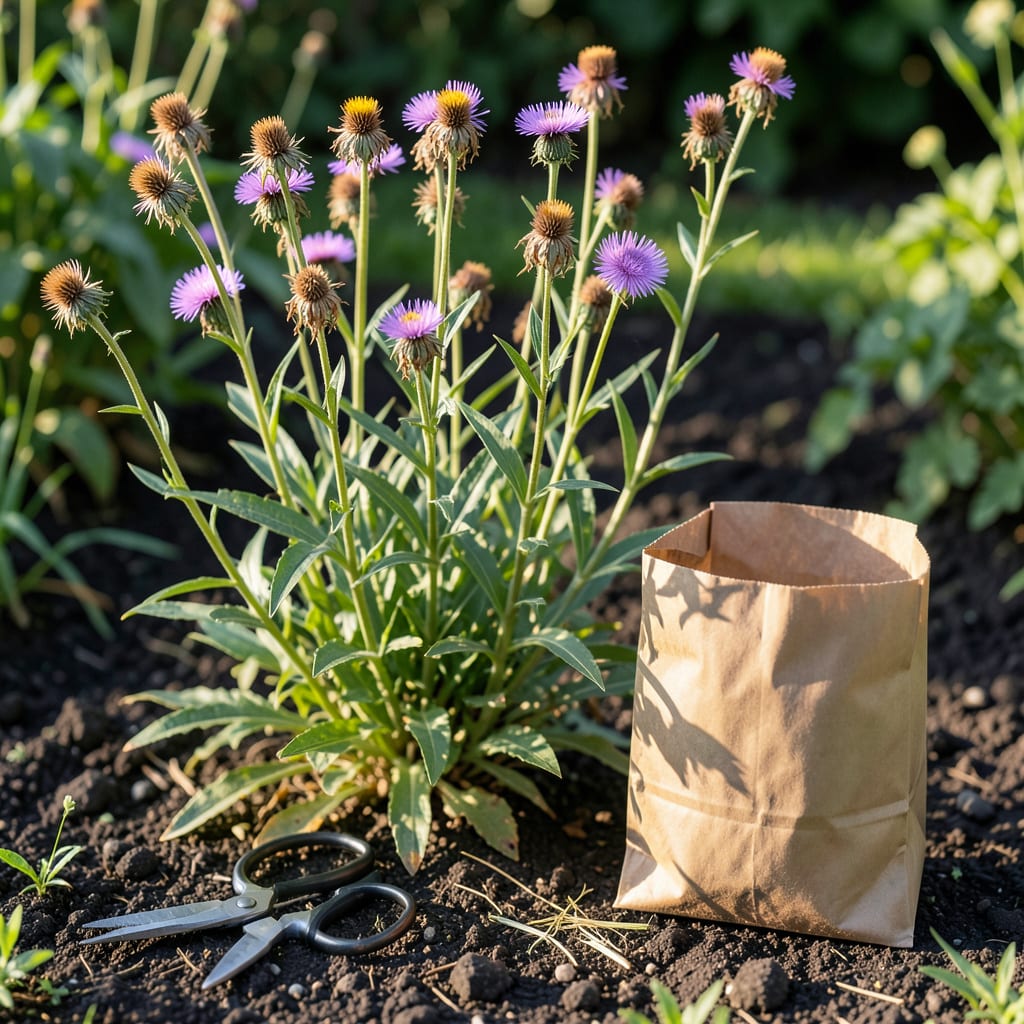
Want to grow more of those beautiful 🌼 Aster blooms next season? Harvesting seeds is your ticket to endless garden color. It’s easier than you might think.
I’ll walk you through the best time and techniques to collect viable seeds from your Aster plants. With these simple steps, you’ll be ready to expand your garden or share with fellow plant lovers.


Harvesting Aster seeds at the right time is crucial for high viability. I always wait until the flower heads turn completely brown and dry. This usually happens in late summer or early fall, depending on your zone.
The seed heads should crumble easily when rubbed between your fingers. If they resist, the seeds aren’t ready yet. Patience here ensures you collect mature, viable seeds for next season’s garden 🌼
I recommend using sharp scissors or pruners to cut the seed heads from the plant. Place them in a paper bag to prevent seeds from scattering. Avoid plastic, as it can trap moisture and cause mold.
Once indoors, gently shake the heads to release the seeds. You’ll notice the seeds are small and dark brown when fully mature. Separate them from any plant debris for cleaner storage.
For drying, spread the seeds on a paper towel in a well-ventilated area. Keep them away from direct sunlight or heat sources. This process typically takes 1-2 weeks to ensure complete dryness.
I’ve found that labeling your seeds with the harvest date and Aster variety helps track viability. Most Aster seeds remain viable for 2-3 years when stored in a cool, dry place.
Use paper envelopes or small jars for storage. Add a silica gel packet to absorb any lingering moisture. This extra step helps prevent mold and extends seed life significantly.
When you’re ready to plant, sow seeds indoors about 6-8 weeks before the last frost. This gives them a head start for robust spring growth. Aster seeds germinate best at 65-70°F.
Remember, consistency in moisture and warmth speeds up germination. Once seedlings emerge, provide bright light to prevent legginess. Transplant outdoors after the frost danger has passed 🌱
Once you’ve harvested your Aster seeds, proper storage is key to maintaining their viability. I always use paper envelopes or small glass jars to keep seeds dry and protected from moisture.
Add a silica gel packet to absorb any lingering humidity. Store in a cool, dark place like a basement or pantry. This setup keeps seeds fresh for 2-3 years or more 🌼
🌱 Pro Tip: Label each envelope with the Aster variety and harvest date. This helps track seed age and viability for future planting seasons.
For germination, start seeds indoors 6-8 weeks before your last frost date. Use a seed-starting mix in small pots or trays. Keep the soil consistently moist but not soggy.
Aster seeds germinate best at 65-70°F. Place trays near a sunny window or under grow lights for 14-16 hours daily. Expect sprouts in 10-20 days with proper care.
Once seedlings have 2-3 true leaves, transplant them into individual pots. Harden off plants by slowly introducing them to outdoor conditions over a week before planting in the garden.
Choose a well-draining location with full sun for best results. Water deeply after planting, and mulch around the base to retain moisture and suppress weeds 🌱
Harvesting Aster seeds too early is a common mistake that leads to low viability. I always check that the flower heads are fully brown and dry before collecting.
Another pitfall is improper drying. Seeds need 1-2 weeks in a well-ventilated area away from moisture. Skipping this step can cause mold or poor germination 🌼
Using plastic bags for collection is another error I see often. Plastic traps moisture, which can ruin your entire seed batch. Always opt for paper bags instead.
Skipping the drying process entirely can be disastrous. Even if seeds seem dry, they often retain internal moisture. Spread them out for at least 1-2 weeks to ensure complete dryness.
Storing seeds in a warm or humid location accelerates deterioration. I keep mine in a cool, dark pantry in paper envelopes for best results.
Finally, not labeling your seeds can lead to confusion later. Always note the Aster variety and harvest date to track viability and planting schedules 🌱
Wait until the flower heads turn completely brown and dry, usually in late summer or early fall. The seeds should crumble easily when rubbed between fingers
Mature seeds are dark brown and firm. If they’re still soft or white, they’re not ready. Test by gently rubbing the seed head—ready seeds fall out easily.
Avoid plastic—it traps moisture and causes mold. Use paper envelopes or glass jars with a silica gel packet instead. Store in a cool, dark place
Properly dried and stored aster seeds remain viable for 2-3 years. Label with the variety and harvest date to track freshness. Keep them away from heat and humidity.
