
Beautiful Plants For Your Interior
Beautiful Plants For Your Interior
Sunrooms create that magical middle ground where orchids don’t just survive—they show off. I’ve grown Phalaenopsis and Cattleya in my sunroom for years, and the difference from windowsill growing is shocking. The filtered light, stable temperatures, and humidity levels mimic what these plants crave in nature, without the fuss of artificial setups. Here’s the thing—most […]
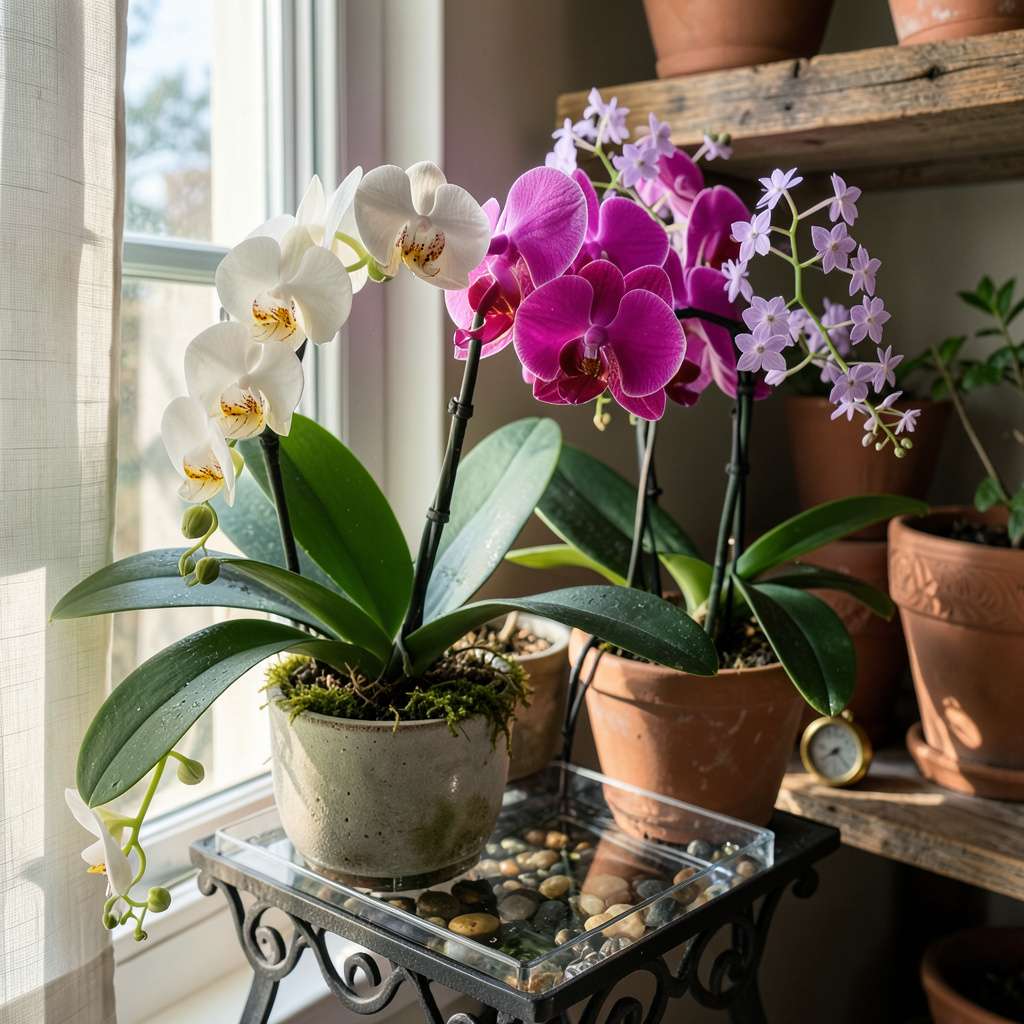
Sunrooms create that magical middle ground where orchids don’t just survive—they show off. I’ve grown Phalaenopsis and Cattleya in my sunroom for years, and the difference from windowsill growing is shocking. The filtered light, stable temperatures, and humidity levels mimic what these plants crave in nature, without the fuss of artificial setups.
Here’s the thing—most people either drown their orchids in sunlight or starve them in dark corners. My sunroom setup hits that perfect balance: bright but indirect light for 6-8 hours daily, temperatures that stay between 65-80°F, and just enough airflow to prevent fungal issues. The plants respond with stronger roots and more frequent blooms than anything I’ve grown indoors.
You’ll know you’ve nailed it when new leaves emerge that deep, healthy green and flower spikes appear twice a year instead of once. My ‘Black Butterfly’ orchid produced 12 blooms on its last spike—something I never achieved on a windowsill. The secret isn’t expensive equipment but understanding how to work with your space’s natural conditions.
Works for any sunroom orientation, though east-facing gives the gentlest morning light. Whether you’re starting with your first orchid or moving a collection into better conditions, this approach transforms finicky plants into reliable performers. Let’s walk through the setup that changed my orchid game completely.
📚 In This Guide
This method balances light, humidity, and airflow to create the ideal microclimate for spectacular orchid blooms.
Begin by evaluating your sunroom’s light exposure using a light meter or smartphone app. Orchids thrive in bright, indirect light—aim for 1,000-2,000 foot-candles (east-facing windows often provide perfect morning sun). Direct afternoon sun through south or west windows will scorch leaves, so diffuse with sheer curtains or move plants 3-4 feet back from the glass.
Monitor temperature fluctuations with a min/max thermometer. Ideal daytime temperatures range from 65-80°F, with a 10-15°F drop at night to trigger blooming. Here’s the thing—most sunrooms get too hot in summer and too cold in winter, so you’ll need to adjust placement seasonally or supplement with grow lights during short winter days.
Orchids require 40-70% humidity and gentle air movement to prevent fungal issues. Place a small oscillating fan on low setting to create consistent airflow, positioning it to circulate around (not directly on) the plants. I’ve found that grouping orchids together on humidity trays filled with pebbles and water raises local humidity without making the entire room damp.
Real talk: stagnant air is the silent killer of orchids. You’ll see the first signs of trouble as black spots on leaves or buds dropping before opening. If your sunroom has poor ventilation, crack a window slightly or run the fan for 2-3 hours daily to refresh the air while maintaining humidity.
Phalaenopsis (moth orchids) tolerate lower light levels and are ideal for north-facing sunrooms, while Cattleyas and Vandas need the brightest spots. Mount epiphytic orchids on bark slabs or place in slatted baskets to mimic their natural growing conditions. The reason we avoid standard pots is that orchid roots need air circulation—packing them in dense medium leads to rot.
Arrange plants by light requirements, with shade-tolerant varieties on lower shelves and light-loving types at eye level or higher. Rotate pots quarter-turn weekly to prevent lopsided growth. You’ll notice new leaves and flower spikes emerging toward the light source, which tells you exactly where to adjust positioning.
Water orchids in the morning using the “soak and dry” method—submerge pots in room-temperature water for 10-15 minutes, then let drain completely. Never let plants sit in water, as this suffocates roots. I water my sunroom orchids every 5-7 days in summer and every 10-14 days in winter, adjusting based on how quickly the medium dries.
Feed weekly with a balanced orchid fertilizer at half-strength, alternating with plain water to flush salts. Watch for new root growth (silvery-green tips) and leaf color—deep green indicates too little light, while reddish-green shows perfect exposure. Don’t skip this (I learned the hard way): overfertilizing causes salt buildup that burns roots, while underfeeding results in weak blooms.
After years of trial and error with sunroom orchids, here are the subtle adjustments that transformed my results from struggling plants to spectacular blooms.
Light Precision: The 1,000-2,000 foot-candles range mentioned in Step 1 is non-negotiable for consistent blooming. I use a light meter app to verify levels at different times of day, adjusting sheer curtains seasonally. East-facing windows work best in summer, while winter often requires moving plants closer to the glass or supplementing with LED grow lights for 12 hours daily. Watch for leaf color changes—deep green means too little light, while yellow-green indicates too much exposure.
Temperature Discipline: That 10-15°F nighttime drop is what triggers flower spikes. In summer, I place orchids on lower shelves where floor temperatures stay cooler, and in winter, I use seedling heat mats under trays to maintain the 65°F minimum. A digital thermometer with min/max records helps track fluctuations. Without this temperature swing, you’ll get lush foliage but few blooms.
Airflow Strategy: The 2-3 hours of daily fan use in Step 2 prevents more problems than you’d expect. Position your oscillating fan to create gentle movement around all plants, not direct wind. I’ve found that running it during the warmest part of the day (when humidity naturally drops) gives the best balance. Stagnant air leads to fungal issues that often go unnoticed until it’s too late.
Watering Wisdom: During the 10-15 minute soak in Step 4, I use room-temperature rainwater or distilled water to avoid mineral buildup. The key is complete drainage afterward—tilt pots at different angles to ensure no water pools in the crown. In summer, I water at the earlier 5-day interval, while winter often stretches to 14 days. Always check the medium’s moisture level 2 inches down before deciding to water.
Most orchids thrive with bright, indirect light—about 6–8 hours daily. East- or north-facing sunrooms are ideal. If your space gets intense afternoon sun, use sheer curtains to filter light. Phalaenopsis (moth orchids) prefer lower light, while Cattleyas or Vandas can handle more. Watch for leaf color: dark green means too little light; reddish or yellow hints at too much.
Orchids need 40–70% humidity. If your sunroom is dry, place trays of water with pebbles beneath pots or use a humidifier. Grouping plants together also helps! Avoid misting leaves directly (it can cause rot). For sunrooms with low humidity, consider moisture-loving varieties like Paphiopedilums or mount orchids on cork bark for better airflow.
Skip regular soil! Use a chunky, fast-draining mix like fir bark, sphagnum moss, or coconut husk chips. For sunrooms with higher humidity, add perlite or charcoal to prevent rot. Repot every 1–2 years when the mix breaks down. Pro tip: Terracotta pots wick away moisture faster—great for sunny spots!
Common culprits: too little light, inconsistent temperatures, or over-fertilizing. Orchids need a 10–15°F drop at night to trigger blooms. If your sunroom stays warm 24/7, move plants outside briefly in fall (if climate permits) or use a fan for airflow. Cut back on fertilizer in winter—let them rest! Patience pays off: some orchids take months to rebloom.
Supplement natural light with LED or fluorescent grow lights (12–14 hours/day) if your sunroom is dim. Place lights 6–12 inches above plants. Cool-white bulbs work well for foliage; add red/blue spectrum LEDs to boost flowering. Timer-controlled lights mimic natural cycles—ideal for short winter days or north-facing rooms.
Growing orchids in a sunroom is all about balance—bright, indirect light, consistent humidity, and gentle care. With the right setup, your sunroom can become a vibrant oasis of stunning, long-lasting blooms! 🌸
Now that you’re equipped with the know-how, start small with a resilient variety like Phalaenopsis or Dendrobium. Track your progress, adjust as needed, and watch your orchids thrive. Ready to begin? Pick your first plant and let the sunshine work its magic!
