
Beautiful Plants For Your Interior
Beautiful Plants For Your Interior
Every gardener knows that moment—reaching for what looks like an innocent plant, only to get zapped by stinging nettles. The burning, itching sensation can ruin a perfectly good day in the garden. I’ve been there more times than I’d like to admit, but I’ve also discovered the fastest ways to neutralize that sting using things you already have in your kitchen.
Within minutes, you can stop the pain and get back to work. No fancy treatments needed—just simple, effective remedies that actually work. And once you’ve handled the sting, I’ll show you how to avoid it next time (because let’s be honest, nettles aren’t going anywhere).
📚 In This Guide
You can stop the burning and itching in minutes using items you already have at home—here’s exactly how.
Hold the stung skin under cool running water for at least 30-60 seconds. This isn’t just about cleaning—it helps wash away lingering formic acid from the nettle hairs that’s still causing irritation. Use your fingertips to gently rub the area while rinsing, but don’t scrub aggressively.
The water should feel comfortably cool, not ice cold. You’ll notice the intense burning sensation start to fade within the first 10-15 seconds of rinsing. If you’re outdoors without running water, pour from a water bottle or use a clean, damp cloth instead.
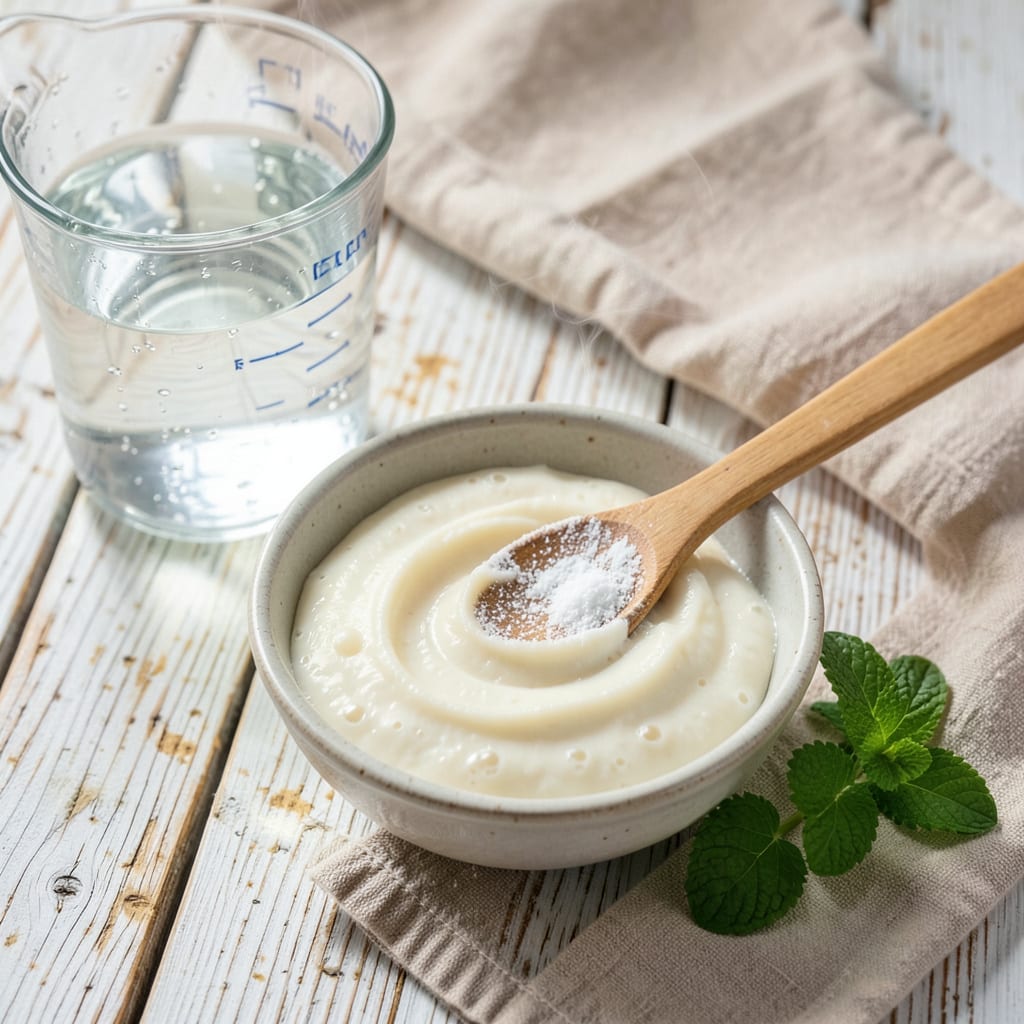
Make a thick paste by mixing 1 tablespoon baking soda with just enough water to form a spreadable consistency. Apply it directly to the sting site using your fingertip or a clean cotton ball. The baking soda works immediately to neutralize the nettle’s acidic venom.
Leave the paste on for 5-10 minutes—you’ll feel the itching diminish significantly as it dries. Don’t rinse it off; just let it flake away naturally. For multiple stings, make a larger batch and apply to all affected areas simultaneously.
Wrap an ice cube or frozen gel pack in a thin cloth and hold it against the sting for 5 minutes. The cold constricts blood vessels, which reduces swelling and numbs the remaining discomfort. Never apply ice directly to skin—always use that protective cloth barrier.
You’ll see the redness start to fade during this time. If the area still feels warm or swollen after 10 minutes, repeat the cold compress for another 5-minute session. Most stings respond completely to this three-step treatment within 15-20 minutes total.
While rare, some people develop allergic reactions to nettle stings. Watch for signs like difficulty breathing, swelling beyond the sting site, or dizziness in the 30 minutes after treatment. These symptoms require immediate medical attention.
For normal reactions, you might see a faint red mark for 12-24 hours, but the pain should be completely gone. If itching returns later, simply reapply the baking soda paste—it’s safe to use multiple times. The relief from this method lasts longer than commercial anti-itch creams.
Here’s what I’ve learned from treating countless nettle stings—small details that make this method work even faster.
Water Temperature Matters: In Step 1, the water should feel cool but not freezing. I’ve found that 10-15 seconds is when you’ll first notice the burning start to subside. If you use ice-cold water, it can actually intensify the pain initially by shocking the skin. Stick with comfortably cool water for the full 30-60 seconds—this gives the formic acid time to fully wash away.
Baking Soda Consistency: For Step 2, your paste should be thick enough to stay put when applied. I mix 1 tablespoon baking soda with water a few drops at a time until it resembles toothpaste. If it’s too runny, it won’t stay on the sting long enough to neutralize the venom during those critical 5-10 minutes. A proper thick paste also creates a protective barrier that prevents further irritation.
Cold Compress Technique: During Step 3, don’t press too hard with your ice pack—gentle contact is enough. I wrap my ice cube in a paper towel first, then a thin cloth. This double layer prevents frostbite while still delivering that numbing relief. The 5-minute application should leave your skin feeling comfortably cool, not numb. If you still see redness after 10 minutes, that second 5-minute session usually does the trick.
Multiple Stings Strategy: If you have several stings, prioritize treating the most painful ones first with the baking soda paste. You can make a larger batch by scaling up the 1 tablespoon baking soda proportionally—just maintain that thick paste consistency. Work quickly through all stings within the first few minutes, as the venom spreads fastest right after contact. Most people feel complete relief within that 15-20 minute window when treating multiple stings systematically.
Most nettle stings fade within 24 hours, but the itching and redness typically peak in the first 1–3 hours. If left untreated, mild discomfort may linger for up to 48 hours. Scratching can prolong irritation, so resist the urge! For severe reactions (swelling, difficulty breathing), seek medical help immediately.
Yes! Apple cider vinegar (ACV) works similarly to white vinegar—its acetic acid helps neutralize the sting’s formic acid. Dilute it with equal parts water to avoid skin irritation. However, white vinegar is often preferred for its milder scent and lower risk of staining.
Recurring irritation usually means the stingers (tiny hairs) are still embedded. Reapply a baking soda paste or use tape to gently lift remaining hairs. If the rash persists beyond 48 hours, you might be reacting to plant oils—try an antihistamine like Benadryl.
No—popping blisters increases infection risk! Instead, keep the area clean and covered with a loose bandage. If blisters are large or painful, apply a cool compress and consider hydrocortisone cream. See a doctor if you notice pus or worsening redness.
Kitchen staples (like vinegar or baking soda) offer fast, natural relief for mild stings. For intense itching or swelling, OTC hydrocortisone (1%) or antihistamine creams may work faster. Combine both for best results: clean with vinegar first, then apply cream.
