
Beautiful Plants For Your Interior
Beautiful Plants For Your Interior
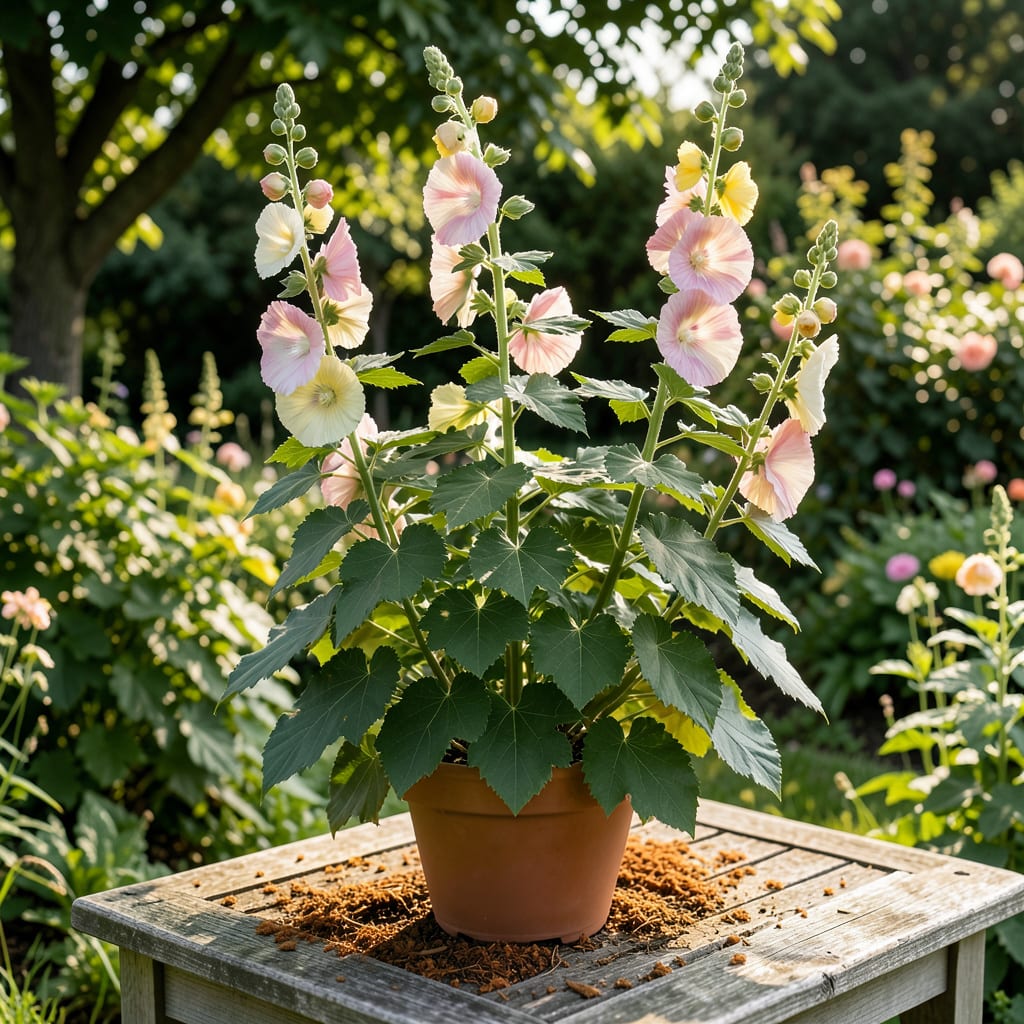
Those orange-brown spots on your hollyhock leaves aren’t just ugly—they’re spreading. I’ve lost entire stands of hollyhocks to rust, and the first time it happened, I nearly gave up on growing them at all.
Here’s the thing—this fungus thrives in damp, crowded conditions. The good news? Neem oil stops it in its tracks if you catch it early. One application can show improvement within days, and three treatments usually clear it completely.
You’ll see the difference fast: leaves regain their vibrant green, stems strengthen, and those iconic blooms come back stronger. No more watching your plants wither from the ground up.
Works for established plants and new growth alike. Let’s save your hollyhocks before the rust takes over for good.
Hollyhock rust, caused by the fungus Puccinia malvacearum, thrives under specific environmental and cultural conditions. Understanding these triggers is key to prevention and control.
This fungal disease flourishes in wet, humid conditions. Overhead watering, poor drainage, or prolonged leaf wetness (from rain or dew) create the perfect breeding ground. The fungus spreads via water splashes, so keeping foliage dry is critical.
Crowded plantings or dense foliage restrict airflow, trapping moisture around leaves. Hollyhocks spaced too closely or planted in shaded, stagnant areas are more susceptible to rust spores settling and germinating.
The fungus survives winter on fallen leaves, stems, and garden debris. If infected plant material isn’t removed, spores reactivate in spring, reinfecting new growth. Sanitation breaks this cycle.
Some hollyhock cultivars lack natural resistance to P. malvacearum. Older or stressed plants are especially vulnerable. Choosing rust-resistant varieties (e.g., Alcea rosea ‘Nigra’ or ‘Chater’s Double’) reduces risk.
By addressing these root causes—managing moisture, improving airflow, cleaning up debris, and selecting resilient plants—you can drastically lower the chances of rust taking hold.
Hollyhock rust can be stubborn, but with the right approach, you can restore your plants to health. Here’s how to tackle each cause and prevent future outbreaks.
Start by pruning all affected leaves, stems, and flowers. Use clean, sharp shears to avoid spreading spores. Dispose of the debris in sealed bags—never compost it, as the fungus can survive and reinfect your garden. This immediate action stops the rust from spreading to healthy tissue.
For active infections, neem oil or copper-based fungicides work wonders. Mix neem oil with water and a drop of dish soap (to help it stick) and spray evenly on both sides of the leaves. Reapply every 7–10 days or after rain. Copper fungicides are stronger—follow label instructions carefully.
Hollyhocks love airflow! Thin out crowded plants to reduce humidity, which rust thrives in. Space them at least 2–3 feet apart. If your garden is dense, consider staking taller varieties to keep leaves off the ground and dry.
Avoid planting hollyhocks in the same spot year after year. Rotate with non-host plants (like marigolds or zinnias) for 2–3 years to break the fungus’s life cycle. This simple step prevents recurrence.
Consistency is key. Combine these steps, and your hollyhocks will bounce back stronger! 🌿
Reapply neem oil every 7–10 days or after rain. Consistency is key for breaking the fungal life cycle.
No, never compost them. The fungus survives and can reinfect your garden. Seal and dispose of infected material in the trash.
Space plants at least 2–3 feet apart to improve airflow and reduce humidity, which helps prevent rust.
Yes, varieties like ‘Nigra’ or ‘Chater’s Double’ show better resistance to rust.
