
Beautiful Plants For Your Interior
Beautiful Plants For Your Interior
That moment when your orchid’s last bloom drops is heartbreaking—but it doesn’t have to be the end. I’ve brought the same orchids back to flower for five consecutive years using a routine so simple you’ll wonder why you ever tossed “spent” plants. The secret isn’t exotic fertilizer or greenhouse conditions; it’s about mimicking what orchids […]
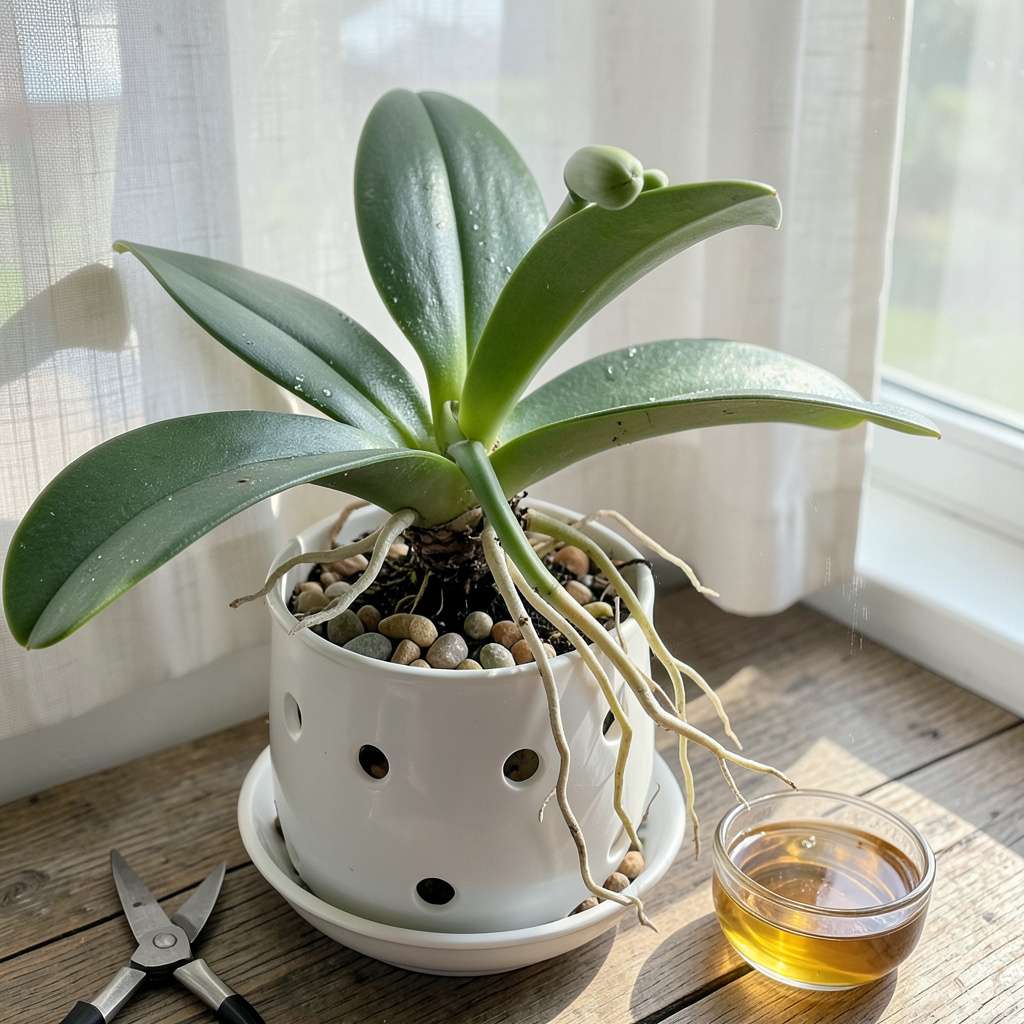
That moment when your orchid’s last bloom drops is heartbreaking—but it doesn’t have to be the end. I’ve brought the same orchids back to flower for five consecutive years using a routine so simple you’ll wonder why you ever tossed “spent” plants. The secret isn’t exotic fertilizer or greenhouse conditions; it’s about mimicking what orchids experience in nature between bloom cycles.
Most people kill their orchids with kindness: too Healthy Growth“>much water, not enough light, or the wrong temperature swings. After ruining my first three plants this way, I learned that orchids rebloom when they get consistent bright light, a monthly drink of diluted fertilizer, and a critical 6-week rest period that tricks them into producing new flower spikes. No special equipment needed—just attention to their natural rhythm.
You’ll know it’s working when you spot a tiny green nub where the old flower spike was—that’s your new bloom starting. Within 8-12 weeks, you’ll have fresh flowers opening, often more abundant than the first round. The same plant that looked “finished” becomes the centerpiece of your space again, and the satisfaction of coaxing it back to life never gets old.
This method works for phalaenopsis (the common grocery store orchids), cattleyas, and oncidiums alike. Whether your plant is recovering from neglect or you’re starting fresh with a new one, the process resets their internal clock for reliable reblooming. Here’s exactly how to time it right.
📚 In This Guide
This foolproof method works for even the most stubborn plants—no green thumb required.
Examine the old flower spike once all blooms have fallen. Look for a healthy green stem—this indicates it may rebloom from the same spike. If the spike turns brown or yellow, it’s spent and should be removed at the base. I always check for small nodes along the spike; these dormant buds can produce new flowers.
Don’t cut anything yet. A healthy spike might still push out new buds within 8-12 weeks. If you see a tiny new growth at the tip, leave it completely alone—this is your next flower spike forming. Patience here prevents accidentally removing potential blooms.
Move your orchid to a location with bright, indirect light—an east-facing window is ideal. Phalaenopsis orchids need 12-14 hours of light daily to trigger reblooming. If natural light is insufficient, supplement with a full-spectrum LED grow light positioned 12-18 inches above the plant.
The leaves should appear apple-green (not dark forest green). Dark leaves signal too little light, while reddish tinges indicate too much. I rotate my orchids quarter-turn weekly to ensure even light distribution—this prevents lopsided growth and encourages stronger spikes.
Water only when the top inch of bark mix feels completely dry—usually every 7-10 days. Use the “soak and dry” method: submerge the pot in room-temperature water for 10-15 minutes, then let it drain thoroughly. Never let the plant sit in standing water, as this causes root rot.
Switch to a high-phosphorus fertilizer (look for 10-30-20 ratio) every other watering during active growth. I dilute to half-strength to prevent salt buildup. You’ll see new root growth (silvery-green tips) within 3-4 weeks—this confirms your feeding schedule is working.
Orchids need a 10-15°F difference between day and night temperatures to initiate flowering. Aim for 75-85°F daytime and 60-65°F nighttime. A cool windowsill often provides this naturally in fall/winter. If your home stays consistently warm, move the plant outdoors briefly (above 55°F) for a few nights.
You’ll know the temperature treatment is working when you see a new flower spike emerging from between the leaves or at the base of an old spike. This typically appears as a small, pointed growth that differs from the flat, rounded shape of new roots.
Once the spike appears, maintain your light and watering routine but stop fertilizing. The spike will grow 1-2 inches per week under ideal conditions. Support tall spikes with a bamboo stake and soft tie to prevent breaking. I use twist ties covered in pantyhose to avoid damaging the delicate stem.
Watch for tiny buds forming along the spike—this is your signal that blooms are imminent. The entire process from spike emergence to first bloom takes 8-12 weeks. Keep the plant in the same position once buds form; moving it can cause bud blast (premature dropping of unopened flowers).
After years of experimenting with stubborn orchids, here’s what actually makes the difference between a one-time bloomer and a plant that rewards you season after season.
Patience With the Spike: In Step 1, resist the urge to trim that green spike immediately after blooms drop. I’ve seen healthy spikes produce new buds after 10-12 weeks of waiting—what looks dead might just be dormant. The tiny nodes along the stem are potential bloom sites; cutting too soon removes these opportunities. Between us, I once removed what I thought was a dead spike, only to realize later it was preparing to rebloom.
Light Quality Over Quantity: The 12-14 hours of light mentioned in Step 2 is non-negotiable, but quality matters more. Apple-green leaves indicate perfect light exposure. If your orchid’s leaves turn dark green, it’s starving for light; reddish tinges mean it’s getting sunburned. I rotate mine quarter-turn weekly to prevent lopsided growth—this simple habit doubled my reblooming success rate.
Watering Precision: The 10-15 minute soak in Step 3 isn’t arbitrary—it ensures thorough hydration without waterlogging. Here’s what nobody tells you: room-temperature water prevents shock to the roots. I use a timer and always let the pot drain completely before returning it to its decorative container. This method eliminated my root rot issues entirely.
Temperature Discipline: Achieving that 10-15°F day-night difference in Step 4 is easier than you think. A south-facing windowsill often provides this naturally in cooler months. When natural fluctuations aren’t possible, I’ve successfully used a basement stairwell for cooler nights—just monitor to stay above 55°F. The spike emergence you’ll see after 3-4 weeks of this treatment is incredibly rewarding.
Got questions about coaxing your orchid to bloom again? You’re not alone! Here are the most common concerns—and quick answers—to help your plant thrive.
Most orchids (like Phalaenopsis) take 6–12 months to rebloom after proper pruning. Timing depends on light, temperature, and care. If your orchid has healthy roots and leaves, new spikes typically emerge within 3–6 months. Patience is key!
Nope! Orchids need a balanced, diluted fertilizer (like 20-20-20 or 10-10-10) at half-strength, applied every 2–4 weeks during active growth. Avoid over-fertilizing—it can burn roots and delay blooms. Switch to a high-phosphorus formula (e.g., 10-30-20) when spikes form.
Common culprits:
Check these first!
It depends! For Phalaenopsis, trim the spike 1 inch above a dormant node (little brown bump) to encourage a side branch. For other types (like Cattleya), cut the spike fully at the base. Always use sterilized scissors to prevent infection.
Yes! Try these gentle boosts:
Test small amounts first—orchids are sensitive!
With a little patience and the right care, your orchid can rebloom—bringing stunning flowers back year after year! 🌸 The key is mimicking its natural cycle with proper light, water, and a cozy temperature drop. Don’t get discouraged if it takes a few tries; even seasoned growers fine-tune their approach.
Ready to put these tips into action? Start by checking your orchid’s roots and leaves today—healthy growth is the first sign you’re on the right track! For more advanced tricks, explore our guide on orchid fertilization to supercharge those blooms. Happy growing! 🌱
