
Beautiful Plants For Your Interior
Beautiful Plants For Your Interior
Those white, cottony clusters on your shrubs aren’t just unsightly—they’re mealybugs, and they multiply fast. I’ve battled these pests in my own garden, and the good news is they’re completely manageable once you know their weaknesses. The key is catching them early before they spread to every plant in your yard. Natural solutions work surprisingly […]
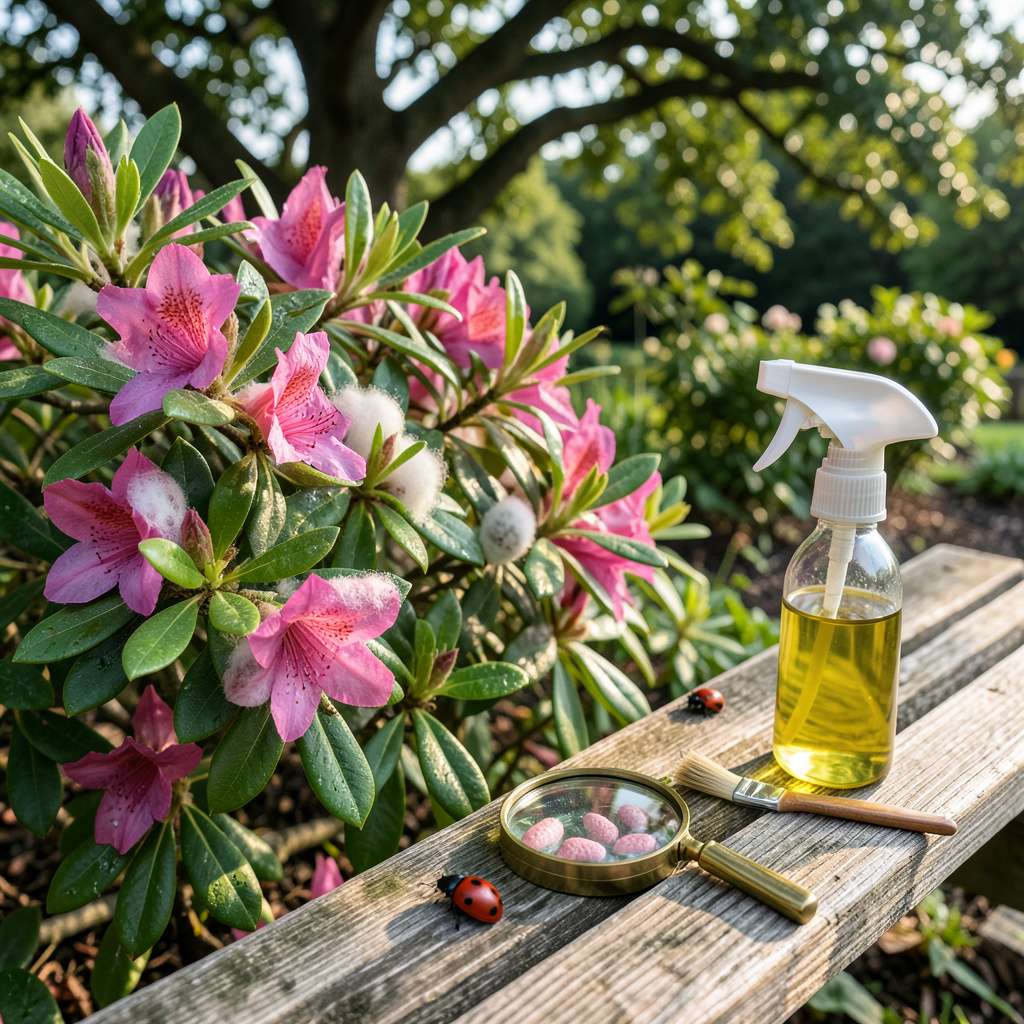
Those white, cottony clusters on your shrubs aren’t just unsightly—they’re mealybugs, and they multiply fast. I’ve battled these pests in my own garden, and the good news is they’re completely manageable once you know their weaknesses. The key is catching them early before they spread to every plant in your yard.
Natural solutions work surprisingly well for outdoor shrubs. A simple spray of insecticidal soap or neem oil disrupts their life cycle without harming beneficial insects. I’ve also had success with manual removal using a cotton swab dipped in rubbing alcohol for small infestations. The trick is persistence—these pests don’t give up easily.
Prevention makes all the difference long-term. Healthy, well-watered shrubs resist pests better, and regular inspections catch problems before they explode. I check my plants weekly during warm months, paying special attention to new growth where mealybugs love to hide.
Whether you prefer organic methods or targeted chemicals, the right approach can clear up an infestation in 2-3 weeks. Your shrubs will recover faster than you think, and you’ll gain confidence for handling future pest challenges.
📚 In This Guide
This method combines immediate action with long-term prevention—you’ll see results within days and keep shrubs protected for seasons.
Begin by confirming you’re dealing with mealybugs: look for white, cottony clusters in leaf axils, along stems, or on undersides of leaves. I use a hand lens to spot the tiny pinkish bodies beneath the waxy coating. Check new growth first—mealybugs target the most tender plant parts where they can pierce cells easily.
Assess the severity by examining 10-15% of the shrub’s branches. Light infestations show isolated cottony spots; heavy infestations reveal sticky honeydew on leaves and black sooty mold developing. Note which shrub species are affected—some like hibiscus and gardenia are particularly vulnerable to repeated attacks.
For light infestations, remove mealybugs manually with a cotton swab dipped in 70% isopropyl alcohol. The alcohol dissolves their protective wax coating, causing immediate desiccation. I work systematically from the top down, checking every leaf surface and stem junction where these pests congregate.
For heavier infestations, use a strong jet of water from a hose to dislodge colonies. Direct the spray at a 45-degree angle to reach undersides of leaves where mealybugs hide. Repeat this process every 3-4 days for two weeks to break their life cycle. Avoid high-pressure spraying that could damage tender new growth.
Introduce natural predators like cryptolaemus montrouzieri (mealybug destroyer) or lacewing larvae. Release them at dusk when mealybugs are most active and predators have time to establish before birds might prey on them. I’ve found that 5-10 predators per infested shrub provides effective control within 2-3 weeks.
Apply horticultural oil or insecticidal soap sprays, thoroughly coating all plant surfaces until runoff. These smother the pests by blocking their spiracles. Spray in early morning when temperatures are below 85°F to prevent phytotoxicity. Reapply every 7-10 days for complete eradication, as these products only affect pests present at the time of application.
For persistent infestations, use a systemic insecticide containing imidacloprid or dinotefuran. Apply as a soil drench according to label rates—typically 0.2-0.4 oz per foot of shrub height. The plant absorbs the chemical, making all tissues toxic to feeding mealybugs. Effects become visible within 7-14 days as the chemical translocates through the vascular system.
Monitor treated shrubs weekly for 4-6 weeks. You’ll know it’s working when new growth emerges free of cottony residue and existing colonies show reduced activity. Avoid applying systemic treatments during flowering periods to protect pollinators. For edible plants, check the label for pre-harvest intervals before using any systemic products.
Prune and destroy heavily infested branches immediately after treatment. I sterilize pruning tools between cuts with 10% bleach solution to prevent spreading pests. Improve air circulation by selectively thinning interior branches—mealybugs thrive in dense, humid microclimates within the shrub canopy.
Apply a 2-3 inch layer of organic mulch around the base to reduce stress and improve plant vigor. Stressed plants attract more pests, so maintain consistent watering—1-2 inches per week for most shrubs—and fertilize appropriately for your species. Inspect shrubs weekly during growing season, focusing on new growth where mealybugs typically establish first.
Controlling mealybugs requires both precision and patience—here’s what we’ve learned from years of battling these persistent pests.
Assessment Accuracy: When examining your shrubs in Step 1, don’t just look at the obvious spots. Mealybugs excel at hiding, so use that hand lens to check leaf axils and stem junctions thoroughly. I’ve found that examining exactly 10-15% of branches gives you an accurate picture without wasting time—focus on new growth first, as that’s where they establish themselves. The presence of honeydew or sooty mold automatically means you’re dealing with a heavier infestation than you might initially think.
Alcohol Application Technique: In Step 2, when using 70% isopropyl alcohol, work systematically from top to bottom. Dip your cotton swab, then gently roll it over the mealybug clusters—don’t scrub aggressively, as this can damage plant tissue. The alcohol works by dissolving their waxy protective coating, so thorough coverage matters more than force. For larger shrubs, I keep a small spray bottle of alcohol handy to re-dip swabs as needed.
Predator Release Timing: The dusk release mentioned in Step 3 isn’t arbitrary—it gives predators like cryptolaemus montrouzieri time to establish before daytime predators (like birds) become active. I’ve achieved best results releasing 5-10 predators per shrub at twilight, when mealybugs are most active but temperatures are cooling. This timing also reduces stress on the beneficial insects during their critical first hours in your garden.
Systemic Treatment Monitoring: After applying systemic treatments in Step 4, don’t expect immediate results. The 7-14 day window before seeing effects accounts for the time needed for the chemical to translocate through the plant’s vascular system. During this period, continue your other control methods—this overlapping approach prevents mealybugs from gaining a foothold while you wait for the systemic treatment to take full effect.
For mild infestations, treat every 7–10 days until the pests disappear (usually 2–4 weeks). Severe cases may need weekly applications for 4–6 weeks. Always reapply after rain—water washes away sprays! Monitor new growth, as mealybugs love tender leaves.
Yes! Mix 1–2 teaspoons of mild dish soap per gallon of water and spray directly on bugs. Avoid harsh detergents—they can burn leaves. Test on a small area first. Soap disrupts their waxy coating, causing dehydration. Reapply every 3–5 days for best results. Rinse plants afterward to prevent residue buildup.
Early morning or late evening is ideal—cool temps and calm winds help treatments stick. Avoid midday sun, which can cause sprays to evaporate or burn leaves. If using beneficial insects (like ladybugs), release them at dusk to avoid predators.
Mealybugs hide in leaf axils, bark crevices, or roots, so one treatment rarely gets them all. Eggs also hatch in waves. Combine sprays, pruning infested parts, and soil drenches for thorough control. Check nearby plants—they may be hitching rides from untreated hosts!
Absolutely! Try:
Avoid pyrethroids if pets chew plants. Always follow label safety guidelines!
Mealybugs don’t have to spell disaster for your outdoor shrubs! With early detection, consistent treatment, and the right mix of natural or chemical solutions, you can protect your plants and keep them thriving. 🌿 Whether you opt for neem oil, beneficial insects, or targeted sprays, persistence is key—so stay vigilant and act fast at the first sign of trouble.
Ready to take the next step? Inspect your shrubs today and choose the method that fits your garden’s needs. Your plants will thank you with lush, healthy growth! 🌱
