
Beautiful Plants For Your Interior
Beautiful Plants For Your Interior
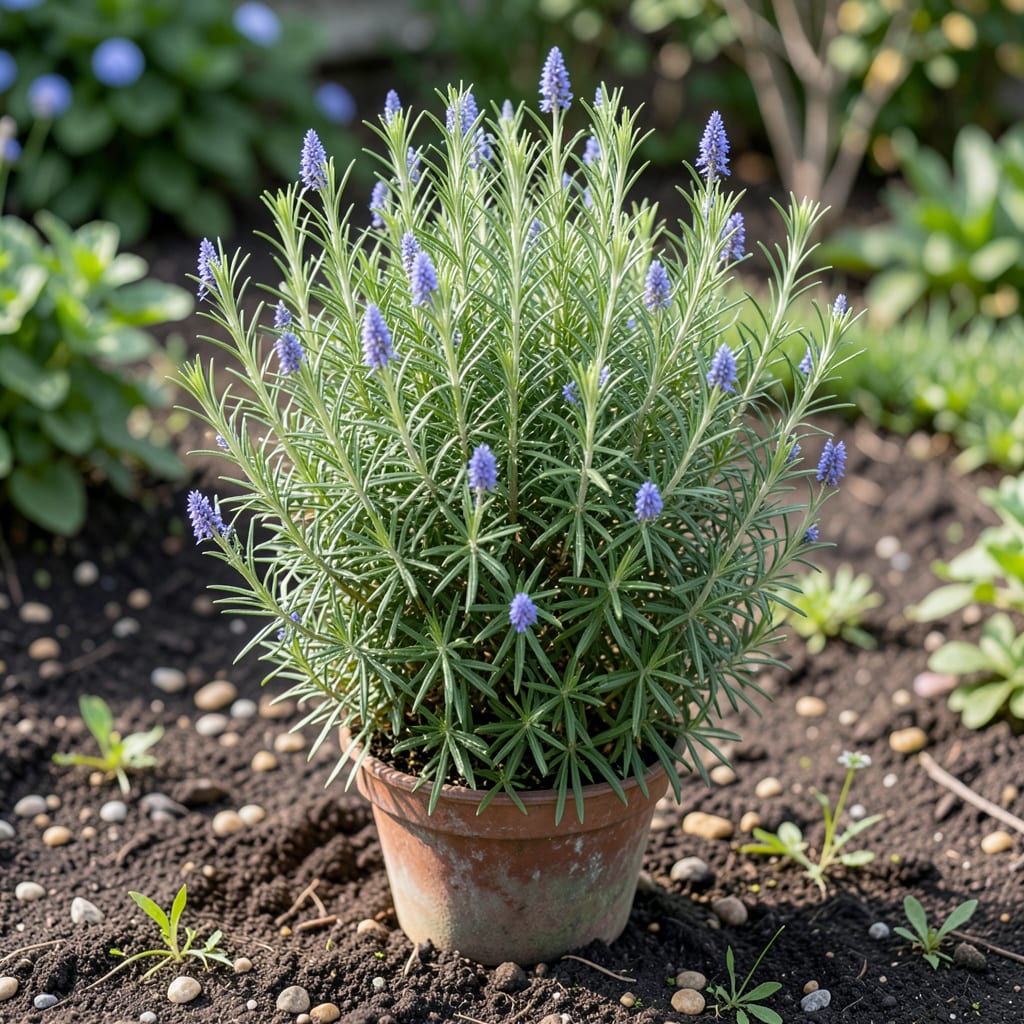
I’ve always been fascinated by how rosemary plants 🌿 can grow into beautiful, fragrant shrubs in the right conditions. If you’re wondering how tall your rosemary will get, you’re not alone – many gardeners in USDA zone 6a have the same question.
Rosemary plants typically grow between 2-4 feet tall, depending on factors like soil quality, sunlight, and pruning habits. Understanding these factors will help you cultivate a healthy, thriving plant that adds beauty and fragrance to your garden.


I’ve found that rosemary plants can grow quite tall, but their height depends on several key factors. The typical height range for rosemary plants is between 2-4 feet, with some varieties growing even taller in ideal conditions.
The height of rosemary plants is influenced by factors such as soil quality, sunlight exposure, and pruning habits. Understanding these factors will help you cultivate a healthy, thriving plant that adds beauty and fragrance to your garden 🌿.
When growing rosemary, it’s essential to consider the specific variety you’re working with, as some can grow taller than others. For example, the ‘Tuscan Blue’ variety is known for its upright growth habit and can reach heights of up to 6 feet in ideal conditions.
The growth rate of rosemary plants can vary depending on the climate and care. In USDA zone 6a, rosemary plants typically thrive during the spring and summer months, with the most significant growth occurring between April and June.
To maximize the height of your rosemary plant, ensure it receives full sun (at least 6 hours of direct sunlight daily) and is planted in well-drained soil. Regular pruning is also crucial, as it encourages bushy growth and prevents the plant from becoming leggy.
In addition to proper sunlight and soil conditions, watering habits play a significant role in rosemary plant growth. Rosemary prefers dry to moderately moist soil, so avoid overwatering, which can lead to root rot and stunted growth.
Rosemary plants are generally drought-tolerant, but consistent moisture during the first year after planting can help establish a strong root system. Once established, rosemary can survive with minimal watering, making it an excellent choice for water-conscious gardeners.
To further support healthy growth, consider fertilizing your rosemary plant during the growing season. A balanced fertilizer applied every 6-8 weeks can provide essential nutrients for optimal growth and flavor.
By understanding the factors that influence rosemary plant height and following these expert tips, you can cultivate a thriving, fragrant rosemary plant that adds beauty and fragrance to your garden for years to come 🌿.
Regular monitoring and maintenance are key to ensuring your rosemary plant reaches its full potential height. With proper care and attention, you can enjoy a bountiful harvest of fresh rosemary leaves and enjoy the many benefits this versatile herb has to offer.
To help your rosemary plant reach its full potential height, it’s essential to provide the right growing conditions. Rosemary plants thrive in full sun, so ensure they receive at least 6 hours of direct sunlight daily. This will help promote healthy growth and prevent the plant from becoming leggy 🌿.
In addition to proper sunlight, soil quality plays a significant role in rosemary plant growth. Rosemary prefers well-drained soil with a slightly acidic to neutral pH (around 6.0-7.0). You can improve soil drainage by adding organic matter like compost or perlite.
Regular pruning is crucial for maintaining a bushy, healthy rosemary plant. Prune your rosemary plant in the spring by cutting back the tips of the stems to encourage branching.
Pruning is a critical step in maintaining a healthy, thriving rosemary plant. By pruning your rosemary regularly, you can encourage bushy growth and prevent the plant from becoming leggy. Prune your rosemary plant in the spring by cutting back the tips of the stems to encourage branching.
In addition to pruning, fertilization can help support healthy rosemary plant growth. Feed your rosemary plant with a balanced fertilizer during the growing season (spring-fall). A balanced fertilizer will provide essential nutrients for optimal growth and flavor.
When it comes to watering, rosemary plants prefer dry to moderately moist soil. Avoid overwatering, which can lead to root rot and stunted growth. Water your rosemary plant when the top inch of soil feels dry to the touch, and avoid getting water on the leaves to prevent fungal diseases.
By following these expert tips and techniques, you can help your rosemary plant reach its full potential height and enjoy a bountiful harvest of fresh rosemary leaves. Regular monitoring and maintenance are key to ensuring your rosemary plant remains healthy and thriving 🌿.
Some rosemary varieties are naturally more compact or upright than others. If you’re looking for a taller rosemary plant, consider growing a variety like ‘Tuscan Blue’, which is known for its upright growth habit and can reach heights of up to 6 feet in ideal conditions.
I’ve seen many gardeners struggle with rosemary plant height due to common mistakes that can be easily avoided. One of the most significant errors is overwatering, which can lead to root rot and stunted growth. Rosemary plants prefer dry to moderately moist soil, so it’s essential to check the soil moisture before watering 🌿.
Avoid overwatering your rosemary plant, as this can cause root rot and negatively impact its height. Instead, water your plant when the top inch of soil feels dry to the touch.
Another common mistake is inadequate pruning. Rosemary plants require regular pruning to maintain a bushy, healthy shape and encourage new growth. Prune your rosemary plant in the spring by cutting back the tips of the stems to promote branching.
Poor soil quality is another factor that can affect rosemary plant height. Rosemary prefers well-drained soil with a slightly acidic to neutral pH (around 6.0-7.0). You can improve soil drainage by adding organic matter like compost or perlite.
Insufficient sunlight can also impact rosemary plant height. Rosemary plants thrive in full sun, so ensure they receive at least 6 hours of direct sunlight daily. This will help promote healthy growth and prevent the plant from becoming leggy.
By avoiding these common mistakes and following proper care guidelines, you can help your rosemary plant reach its full potential height and enjoy a bountiful harvest of fresh rosemary leaves 🌿.
Regular monitoring and maintenance are key to ensuring your rosemary plant remains healthy and thriving. With proper care and attention, you can enjoy the many benefits this versatile herb has to offer.
Rosemary plants typically grow between 2-4 feet tall, with some varieties reaching heights of up to 6 feet in ideal conditions. Proper care and pruning can help maximize their height. Regular monitoring is key to optimal growth .
Several factors influence rosemary plant height, including soil quality, sunlight exposure, and pruning habits. Well-drained soil and full sun (at least 6 hours of direct sunlight daily) promote healthy growth. Regular pruning encourages bushy growth and prevents legginess .
Prune your rosemary plant in the spring by cutting back the tips of the stems to encourage branching. Regular pruning maintains a bushy, healthy shape and promotes new growth. This should be done once a year for optimal results .
Yes, rosemary plants can thrive in containers! Choose a container with good drainage and ensure it receives full sun. Water when the top inch of soil feels dry, and fertilize during the growing season for optimal growth. Container-grown rosemary may require more frequent watering .
