
Beautiful Plants For Your Interior
Beautiful Plants For Your Interior
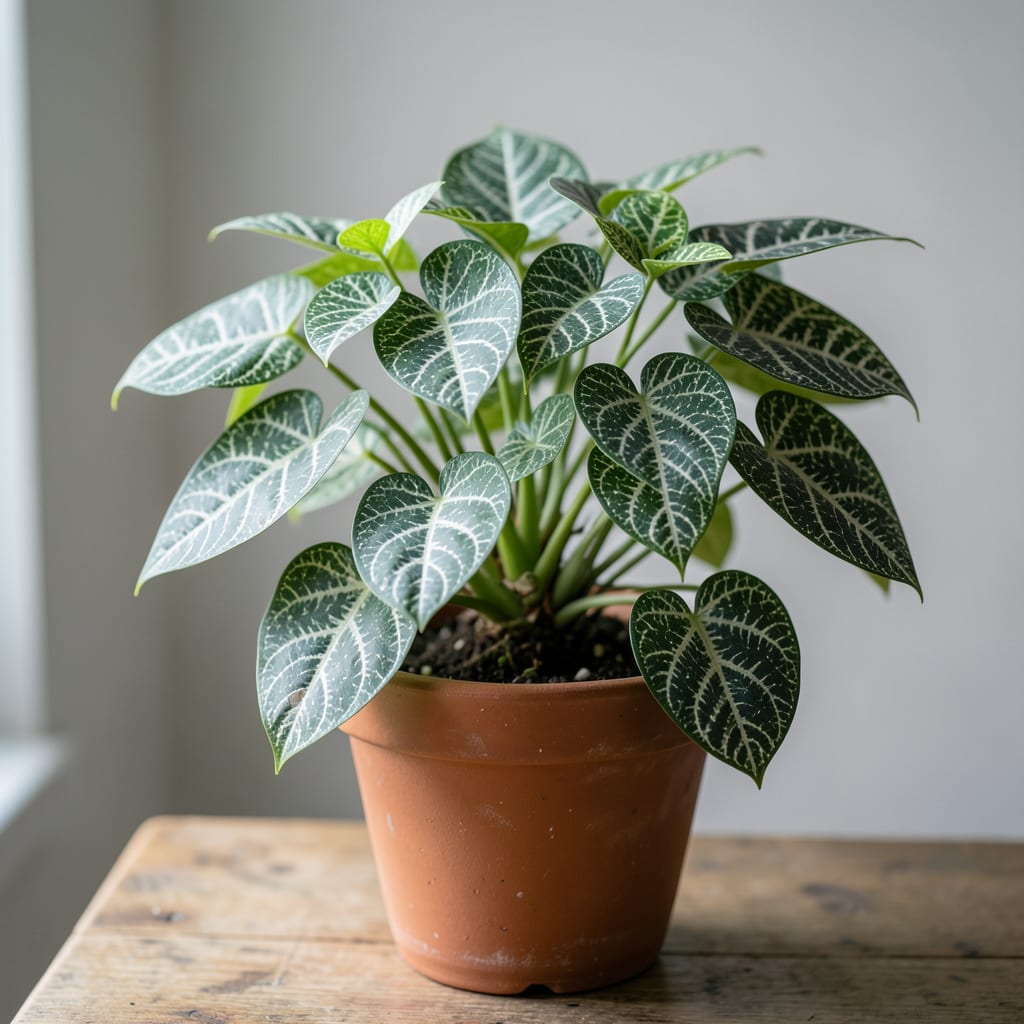
Nerve plants 🌱 are known for their stunning foliage, but getting their lighting right can be tricky. Too little light leaves them pale, while too much can scorch their delicate leaves in USDA Zone 6.
I’ll guide you through the optimal lighting conditions to keep your Nerve Plant thriving. Let’s explore how to provide the perfect light for your plant to flourish.

Nerve plants are known for their beautiful, intricate leaf patterns and vibrant colors. To maintain their stunning foliage, they require specific light conditions 🌿.
Understanding the lighting needs of your nerve plant is crucial for its health and growth. In this section, I’ll explain why nerve plants need particular light conditions and how to provide them with the right amount of light.
Nerve plants thrive in bright, indirect light, which helps maintain their vibrant colors. The best placement for these plants is near East or West-facing windows, where they can receive the appropriate amount of indirect sunlight 🌞.
One of the key factors in nerve plant care is avoiding direct sunlight, which can cause leaf scorch and damage. If you’re unsure about the light conditions in your space, you can use a light meter to measure the intensity and adjust accordingly 📏.
Nerve plants are adaptable to low light conditions, but their colors may not be as vibrant. If you notice your plant becoming leggy or losing its color, it might be a sign that it needs more light 🔍.
In addition to the type and intensity of light, the duration of light exposure is also important. Nerve plants generally require 2-4 hours of bright, indirect light per day ⏰.
To ensure your nerve plant gets the right amount of light, you can rotate the plant regularly to maintain even growth and prevent it from leaning towards the light source 🔄.
If you’re growing your nerve plant in a low-light environment, consider supplementing with grow lights to provide the necessary light spectrum and intensity 💡.
It’s also worth noting that nerve plants can be sensitive to light changes, so it’s essential to monitor your plant’s response to its lighting conditions and make adjustments as needed 🔎.
By understanding and providing the right lighting conditions, you can keep your nerve plant healthy and thriving, enjoying its beautiful foliage for years to come 🌸.
Regularly checking your plant’s condition and adjusting its placement or lighting setup will help you find the perfect balance for your nerve plant’s needs 🔄.
Nerve plants require specific lighting conditions to maintain their vibrant colors and healthy growth 🌱.
To provide the best lighting for your nerve plant, it’s essential to understand the ideal light types, intensity, and duration 🌞.
Place your nerve plant near an East or West-facing window to provide the ideal bright, indirect light 🔥.
The ideal light type for nerve plants is bright, indirect light, which helps maintain their vibrant colors and promotes healthy growth 🌿.
East or West-facing windows are perfect for nerve plants as they provide the right amount of indirect sunlight without the harsh direct rays 🌞.
Nerve plants can tolerate low light conditions, but their colors may not be as vibrant, and they may become leggy 🔍.
To ensure optimal growth, nerve plants require 2-4 hours of bright, indirect light per day ⏰.
Regularly rotating your nerve plant will help maintain even growth and prevent it from leaning towards the light source 🔄.
If you’re growing your nerve plant in a low-light environment, consider using grow lights to supplement the natural light and provide the necessary spectrum and intensity 💡.
By providing the right lighting conditions, you can keep your nerve plant healthy and thriving, enjoying its beautiful foliage for years to come 🌸.
Nerve plants require careful lighting to maintain their vibrant colors and healthy growth 🌱.
Understanding common lighting mistakes can help you avoid damaging your nerve plant and ensure it thrives in its environment.
Avoid placing your nerve plant in direct sunlight as it can cause leaf scorch and damage 🔥.
One of the most common mistakes is exposing nerve plants to direct sunlight, which can cause their delicate leaves to become scorched 🌞.
Nerve plants can also suffer from insufficient light, leading to leggy growth and faded colors 🔍.
To avoid these issues, ensure your nerve plant receives bright, indirect light for 2-4 hours daily ⏰.
Regularly rotating your nerve plant will help maintain even growth and prevent it from leaning towards the light source 🔄.
If you’re growing your nerve plant in a low-light environment, consider using grow lights to supplement the natural light and provide the necessary spectrum and intensity 💡.
By avoiding common lighting mistakes and providing the right conditions, you can keep your nerve plant healthy and thriving 🌸.
Monitoring your plant’s response to its lighting conditions and making adjustments as needed will help you find the perfect balance for your nerve plant’s needs 🔎.
Nerve plants thrive near East or West-facing windows that provide bright, indirect light. These directions offer gentle morning or afternoon sun that won’t scorch the leaves.
Yes, nerve plants can adapt to low light conditions, but their colors may not be as vibrant and they might become leggy. For best results, provide 2-4 hours of bright, indirect light daily.
Rotate your nerve plant regularly to maintain even growth and prevent it from leaning towards the light source. This ensures balanced development and keeps the plant looking its best.
Yes, you can use grow lights to supplement natural light, especially in low-light environments. This helps provide the necessary light spectrum and intensity for healthy growth.
