
Beautiful Plants For Your Interior
Beautiful Plants For Your Interior
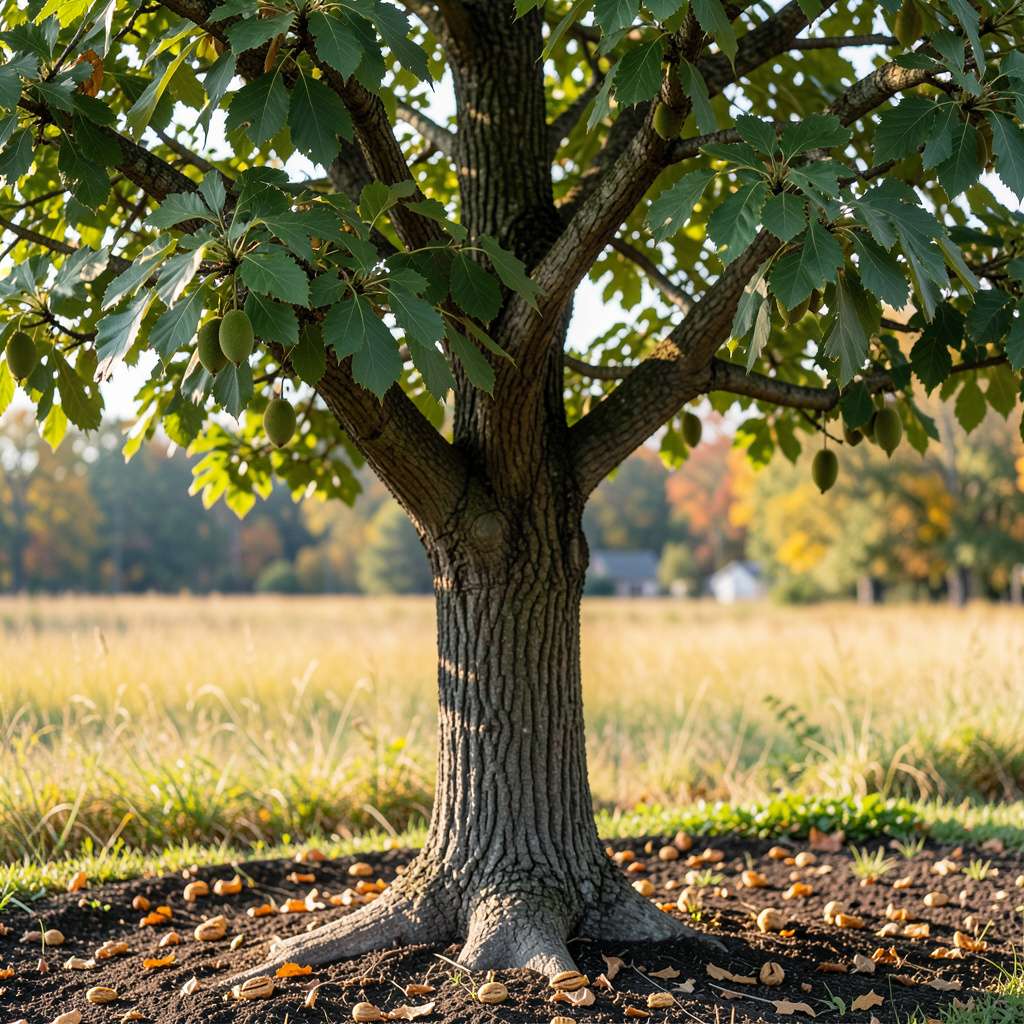
Black walnut trees typically range from $500 to $10,000+ depending on size, quality, and market demand. Mature trees with straight trunks and good veneer potential fetch the highest prices, often $3–$15 per board foot for lumber or veneer-grade logs.
This wide price range reflects how specialized buyers evaluate each tree individually. 🌳 A 30-inch diameter walnut with minimal defects might bring $5,000+ from a veneer mill, while a smaller or crooked tree could be worth just a few hundred dollars for firewood. What many landowners don’t realize is that even a single exceptional tree can sometimes cover the cost of an entire timber harvest. The key factors are trunk straightness, diameter at breast height, and the percentage of clear, defect-free wood—qualities that develop over decades of growth.
💡 In This Article
The difference between a $500 tree and a $10,000+ tree comes down to what professional buyers call “log grade.” This isn’t just about size—it’s about the internal quality revealed when the tree is milled. The most valuable walnuts have straight, knot-free trunks with consistent diameter from base to crown.
Buyers use calipers to measure at 4.5 feet above ground (DBH – Diameter at Breast Height), where every additional inch can mean hundreds more in value. A 24-inch DBH tree might yield 3-4 logs, while a 30-inch specimen could produce 6+ premium logs. 🌳
Veneer-grade walnut represents the gold standard, where even subtle defects make or break value. Mills look for trees with minimal “sweep” (sideways curve) and no metal embedded from old fencing or equipment. The log’s “clear face” percentage—how much usable wood appears when quarter-sawn—determines whether it becomes $3/board foot lumber or $15/board foot veneer.
I’ve seen buyers reject entire trees because a single 1/4-inch nail from a 1950s fence left a rust streak that ruined the veneer potential. The color matters too: deep chocolate-brown heartwood commands premiums over lighter sapwood.
Regional demand creates surprising price swings. In furniture-making hubs like North Carolina or Ohio, mills pay 20-30% more than in areas without local processing. Transportation costs eat into profits—hauling logs 200+ miles can erase $1,000+ from your offer.
Seasonality plays a role too: winter harvesting (when sap is down) produces cleaner logs, while summer cuts risk fungal staining that devalues the wood. The best buyers actually prefer trees felled between November and March for this reason. ❄️
Age tells only part of the story. A 50-year-old walnut grown in open sunlight develops wider rings and more valuable heartwood than a 80-year-old tree crowded in a forest. Soil quality affects mineral content—trees from calcium-rich soils often show more dramatic grain patterns.
Even the tree’s growth rate matters: slow-grown walnuts (with rings 1/16-inch apart) produce tighter grain that’s prized for gunstocks and musical instruments. I once watched a buyer use a increment borer to count rings before making an offer—turns out that tree’s 120 years of slow growth made it worth 40% more than faster-growing neighbors. ✨
The grading system uses precise measurements you can check yourself. “FAS” (Firsts and Seconds) grade requires 83% clear wood on the best face, while “Select” grade drops to 67% clear. A single large branch knot can downgrade an entire log.
Professional scalers use a “Doyle rule” or “International 1/4-inch” log scale to estimate board feet—tools you can access through state forestry extensions. The difference between a 16-foot log and a 14-foot log might seem small, but it can mean $800 in lost value when scaled at the mill. 📏
Here’s what most sellers miss: the “stumpage value” (what you’re paid for standing trees) often represents just 30-50% of the wood’s final processed value. Mills factor in their own costs—$200-500 per tree for felling, $150-300 for hauling, and $500-1,500 for drying.
Smart sellers negotiate “scale after mill” contracts where they get paid based on actual usable board feet, not estimates. I’ve seen landowners increase their payout by 25-40% using this approach instead of accepting upfront stumpage offers. The key is finding mills that offer “log scaling” services where you can witness the measurement process. 💰
Use a diameter tape at 4.5 feet above ground level (called DBH – Diameter at Breast Height). Wrap the tape around the trunk and read the measurement directly. For rough estimates, a regular tape measure works: divide the circumference by 3.14 to get diameter.
Aim for late fall through early spring (November to March). This is when sap content is lowest, producing cleaner logs that mills pay premiums for. Summer harvesting risks fungal staining that can reduce value by 20-30%.
Metal (nails, wire) embedded in the trunk can ruin $500+ of veneer potential. Other major defects include large knots, significant curve (“sweep” over 1 inch per 8 feet), and fungal staining. Even small defects can downgrade logs from veneer to lumber grade.
Single exceptional specimens can be worth selling, but 5-7 quality trees typically make hiring a professional logger cost-effective. For smaller quantities, selling standing timber (letting buyer handle felling) often nets better returns despite lower per-tree prices.
Timber sales qualify for capital gains tax (15-20%) if you’ve owned the land over 1 year. Keep all forest management receipts as they may offset gains. For sales over $10,000, consult a timber tax specialist to maximize deductions.
