
Beautiful Plants For Your Interior
Beautiful Plants For Your Interior
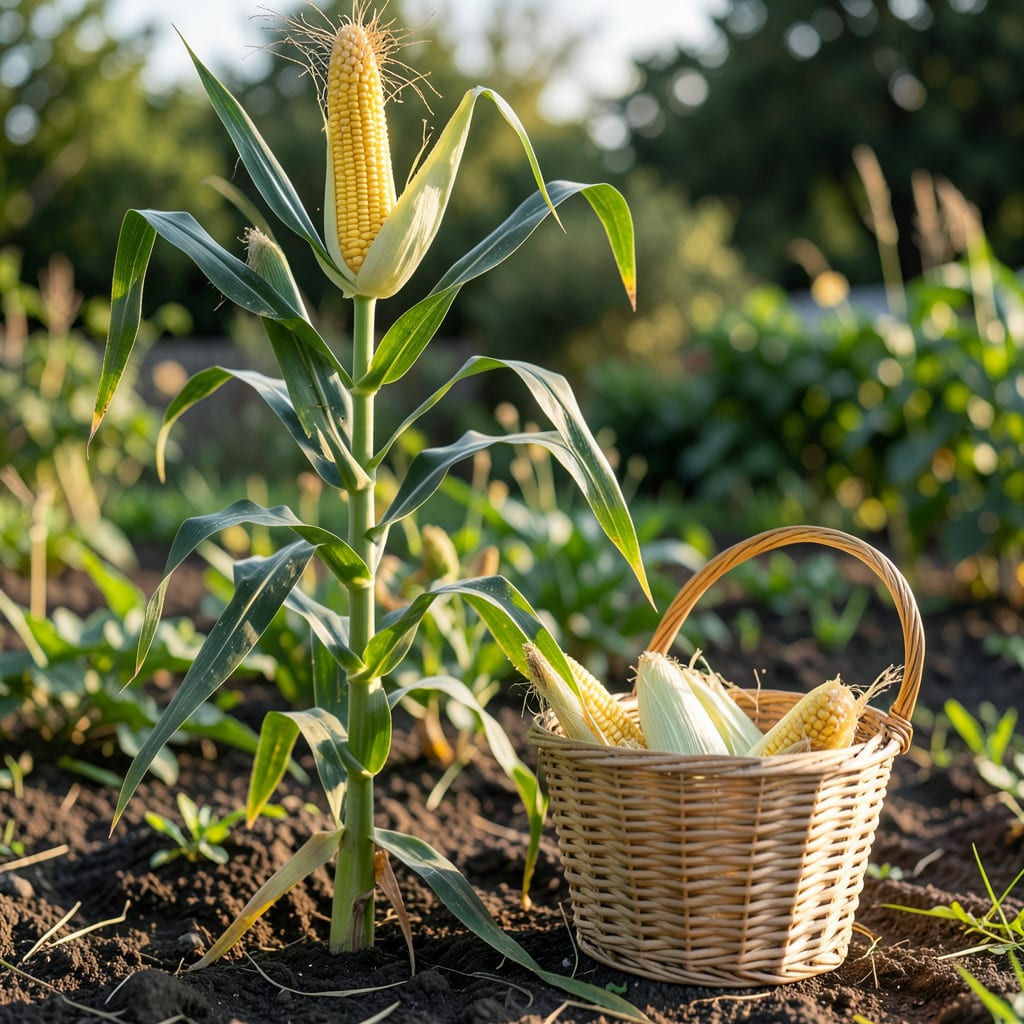
Timing your corn harvest perfectly means the difference between sweet, juicy kernels and tough, starchy ones. I’ve learned that 80 days is the sweet spot for most varieties.
From planting in spring to picking in summer, I’ll show you how to nail the timing for 🌽 Corn every time. Let’s get started.


I’ve found that corn maturity varies significantly by type. Sweet corn typically takes 60-100 days, while field corn may need 100-120 days to fully mature.
Popcorn varieties often fall in the 90-120 day range. These timeframes depend on climate conditions and planting dates in your region.
| Variety | Days to Harvest | Notes |
|---|---|---|
| Early Sweet Corn | 60-70 days | Fastest maturing, ideal for short seasons |
| Standard Sweet Corn | 70-85 days | Most common home garden variety |
| Late Sweet Corn | 85-100 days | Best for warmer, longer growing seasons |
| Field Corn | 100-120 days | Used for animal feed or cornmeal |
| Popcorn | 90-120 days | Requires full drying on the stalk |
In my experience, early varieties like Early Sunglow can be ready in as few as 60 days. These are perfect for northern gardens with shorter seasons.
Mid-season types, such as Golden Bantam, usually take 80-85 days. I recommend these for most temperate climates where summers are warm.
Late-season corn like Country Gentleman needs 90-100 days. These do best in southern regions with long, hot summers.
Field corn and popcorn require the longest time, often 120 days or more. I’ve learned these need consistent warmth and plenty of space to thrive.
Remember, these are average ranges. Your actual harvest time can vary based on soil temperature, water availability, and sunlight exposure in your garden.
For the most accurate timing, I always check the seed packet for the specific days to maturity for your chosen variety.
This ensures I’m working with the most precise information for my particular corn plants and growing conditions.
I always look for silk color first when checking my corn. The silks should turn brown and dry at the top of the ear. This is your first clue that harvest time is near.
Another key sign is ear firmness. When I gently squeeze the ear through the husk, it should feel plump and full. Underfilled ears need more time on the stalk.
The milk test is my favorite method. I pierce a kernel with my fingernail and check the liquid. If it’s milky white, the corn is ready. Clear liquid means it needs more time.
I also check the husk condition. While the silks should be dry, the husk itself should still be green and fresh, tightly wrapped around the ear.
One common mistake I see is harvesting too early. If the silks are still yellow or white, or the kernels release clear liquid, the corn isn’t ready yet. Patience pays off here.
For the best results, I check my corn in the early morning when the ears are most plump. This is when I get the sweetest kernels and the best texture for fresh eating 🌽
I’ve noticed that temperature plays a huge role in corn maturity. Warm soil (above 60°F) speeds up growth, while cool conditions can delay it by weeks. This is why I always check soil temp before planting.
Rainfall and watering consistency also impact the timeline. Too little water slows growth, while overwatering can lead to poor kernel development. I aim for 1 inch of water per week.
Pro Tip: Planting 2 weeks earlier in warm climates can help avoid late-season frost damage. In cooler areas, I wait until soil is fully warmed to plant.
Planting date is another critical factor. In my Zone 6 garden, I plant in mid-April for an 80-day harvest in July. Adjust based on your last frost date and variety.
Regional differences matter too. Southern gardeners may plant earlier and harvest faster, while northern growers often need fast-maturing varieties to beat the first frost.
I’ve learned that wind pollination is essential for good ear development. Planting in blocks of 4-6 rows improves pollination rates, which can affect your harvest timeline and yield.
Finally, keep an eye on weather forecasts. A late cold snap or heatwave can throw off your schedule by days or even weeks 🌽
Soil temperature above 60°F speeds up growth, while cool conditions delay it. Consistent watering and full sun also play key roles in reaching maturity.
Check for brown, dry silks and plump ears. Pierce a kernel—if it releases milky liquid, it’s ready. Green husks should stay tightly wrapped.
Cool weather, insufficient sunlight, or inconsistent watering can extend the timeline. Northern climates often need fast-maturing varieties to avoid frost delays.
Yes! If silks are still yellow or kernels release clear liquid, it’s not ready. Harvesting early results in starchy, less sweet corn. Patience pays off.
