
Beautiful Plants For Your Interior
Beautiful Plants For Your Interior
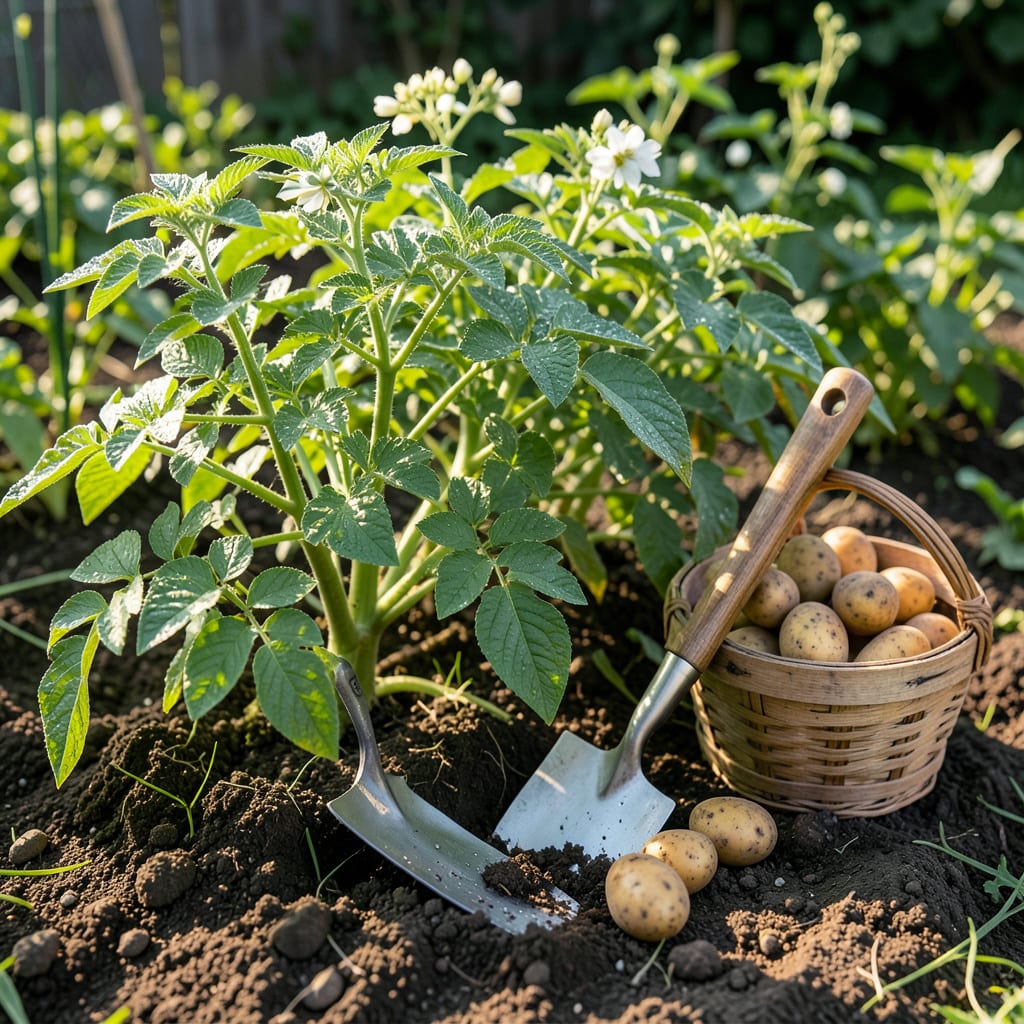
There’s nothing quite like the satisfaction of digging up your first 🥔 Potato crop. But knowing the perfect harvest time can be tricky, as it varies by type and growing conditions.
Whether you planted in March or April, I’ll help you understand the signs and timelines so you can enjoy your homegrown spuds at their peak. Let’s uncover the secrets together.


Timing your potato harvest starts with knowing your variety. Early-season potatoes like Red Norland or Yukon Gold can be ready in as little as 60-70 days. These are perfect for gardeners eager to taste their crop sooner rather than later.
On the other end, late-season varieties such as Russet or Katahdin need 120-135 days to mature fully. They’re ideal if you want potatoes that store well through winter. Mid-season types, like Kennebec, typically fall in the 90-110 day range.
| Variety Type | Days to Maturity | Best For |
|---|---|---|
| Early-Season | 60-70 days | Quick harvest, new potatoes |
| Mid-Season | 90-110 days | Balanced yield and storage |
| Late-Season | 120-135 days | Long-term storage, large tubers |
I always recommend checking your seed potato packaging for the exact days to maturity. This number is your best starting point, but growing conditions like soil temperature and moisture levels can shift the timeline by a week or two.
For new potatoes, you can start harvesting as soon as the plants flower. These young tubers have a thin, tender skin and are perfect for immediate use. Just be gentle when digging to avoid damaging the remaining plants still growing underground.
If you’re growing for storage, wait until the foliage turns yellow and dies back. This signals that the tubers have finished growing and their skins have toughened up. In my experience, this usually happens about 2-3 weeks after the plants stop flowering.
Soil temperature plays a big role too. Potatoes prefer 60-70°F soil for optimal growth. If your spring was cool, the tubers might take a bit longer to size up. Conversely, in warmer climates, they may mature a little faster.
Another factor is your planting date. If you got a late start, don’t worry—just count forward from your planting day using the variety’s days to maturity. I’ve found that consistent watering helps keep the timeline on track, especially during dry spells.
Remember that container-grown potatoes might mature slightly faster than those in the ground due to warmer soil temperatures. This can shave 5-10 days off the typical timeline, which is great for gardeners with short growing seasons.
Finally, keep an eye on the weather forecast as harvest time approaches. If a hard frost is predicted and your potatoes aren’t ready, you can gently dig them early and let them finish curing in a cool, dark place indoors. This can save your crop from frost damage. ☀️
By understanding these timelines and watching for visual cues, you’ll be digging up perfect potatoes at just the right time, every time. 🌱
Knowing when to dig up your potatoes is easier than you think. I rely on three simple methods: foliage observation, gentle digging, and size assessment. Each gives clear signs that your tubers are ready for harvest.
Start by watching the plant’s foliage. When it begins to yellow and die back, this is nature’s signal that the potatoes have finished growing. For new potatoes, you can harvest as soon as the plants flower, usually around 60-70 days after planting.
For a more hands-on approach, I like to do a test dig. Carefully use your hands or a small trowel to feel around the base of the plant. If the tubers are the size you want, it’s time to harvest the rest of the plant.
The skin test is another reliable indicator. Gently rub your thumb over a freshly dug potato. If the skin doesn’t come off easily, the tubers are mature and ready for storage. If it rubs off, they need more time in the ground.
Size matters too. Most gardeners aim for 1-3 inch diameter potatoes, which are versatile for cooking and storage. Smaller tubers are great for new potatoes, while larger ones are better for baking or long-term storage.
Remember, weather conditions can affect readiness. A dry spell might slow growth, while consistent moisture keeps tubers plumping up. Always check multiple plants, as even in the same row, some may mature faster than others. 🌱
Even with perfect timing, some common mistakes can push back your potato harvest. I’ve seen overwatering delay maturity by creating soggy soil that stunts tuber growth. Potatoes need consistent moisture but hate waterlogged roots.
Poor soil conditions are another culprit. Compacted or nutrient-poor soil forces potatoes to work harder to grow. I always amend my beds with compost before planting to give tubers the best start. 🌱
Warning: Planting too shallow can expose tubers to sunlight, turning them green and toxic. Always plant seed potatoes at least 4-6 inches deep and hill soil around stems as they grow.
Wrong planting depth affects more than just green tubers. Too shallow, and they’ll struggle to form properly. Too deep, and they’ll take forever to sprout. I aim for that 4-6 inch sweet spot every time.
Another issue is inconsistent watering. Drought stress followed by heavy watering can cause cracked potatoes or uneven growth. Stick to a regular schedule of about 1-2 inches per week, adjusting for rain.
Lastly, ignoring pests like Colorado potato beetles can set back your plants significantly. I check my foliage weekly and remove any pests by hand or with neem oil spray. Healthy plants reach harvest time faster. ☀️
Early varieties like Red Norland can be ready in as little as 60 days. For new potatoes, harvest as soon as plants flower, usually around 60-70 days after planting.
Wait until the foliage turns yellow and dies back, typically 2-3 weeks after flowering stops. The tubers will have firm skins that don’t rub off easily.
Yes, overdue tubers may rot in damp soil or split if left beyond maturity. Late varieties store better in-ground for 1-2 weeks past readiness, but harvest before frost.
Often yes! Warmer soil in containers can shave 5-10 days off typical timelines, which is ideal for short growing seasons.
