
Beautiful Plants For Your Interior
Beautiful Plants For Your Interior
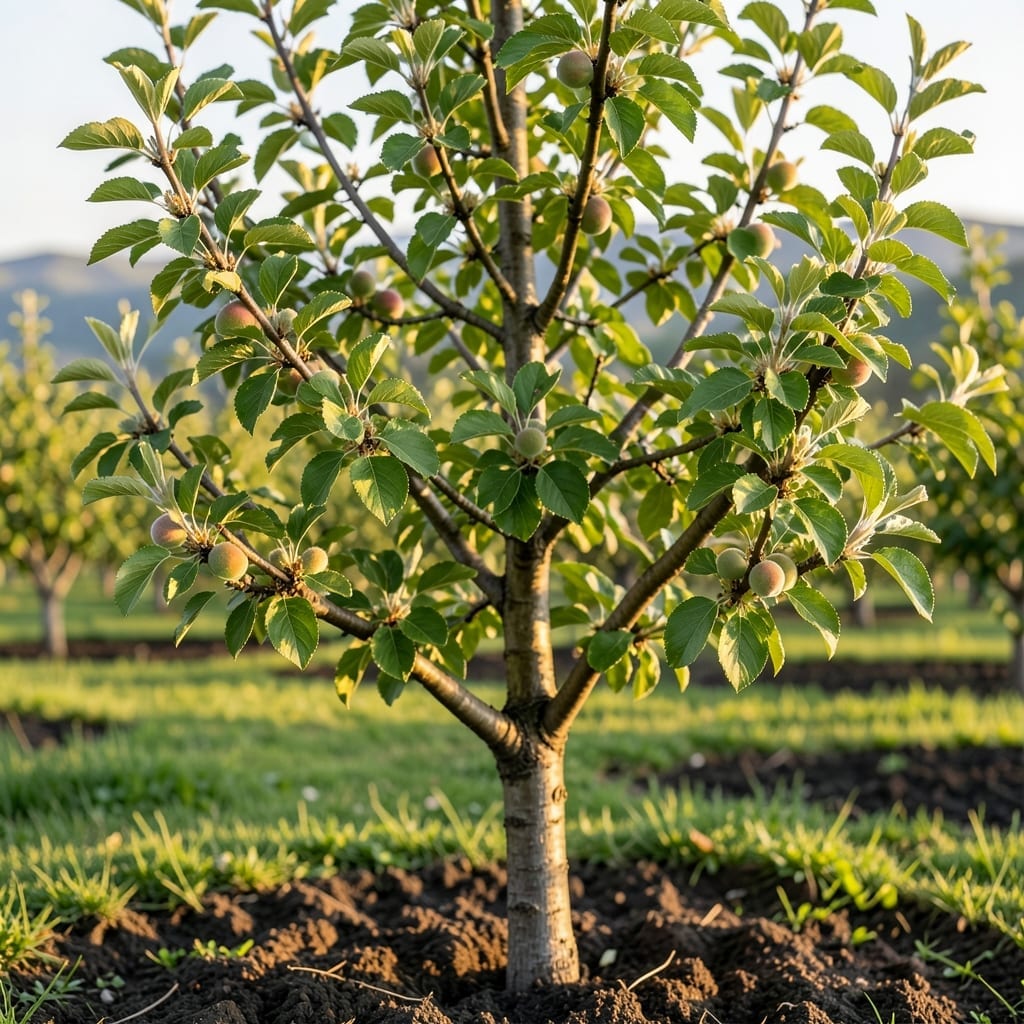
Patience is key when growing a 🌳 Apricot Tree, as the wait for that first delicious harvest can test even the most enthusiastic gardener. You might be surprised to learn just how long it typically takes before you’re biting into homegrown apricots.
Understanding the timeline helps set realistic expectations. I’ll walk you through what to expect and how to speed up the process where possible.
From variety differences to care tips, we’ll explore what influences when your tree will finally bear fruit. Let’s get started.
If you’re wondering how long for apricot tree to bear fruit, the answer depends largely on the tree variety you’ve planted. Most gardeners don’t realize that dwarf, semi-dwarf, and standard trees have different timelines for that first harvest.
Generally, you can expect 3 to 5 years for a grafted apricot tree to produce its first fruit. This is because grafted trees start with a more mature root system, giving them a head start on fruit production. 🌳
| header-cell” style=”border: 1px solid #6fd544; padding: 12px; text-align: left; background-color: #6fd544; color: white;”>Mature Height | body-cell” style=”border: 1px solid #6fd544; padding: 12px; text-align: left;”>2 to 3 years | body-row”> | body-cell” style=”border: 1px solid #6fd544; padding: 12px; text-align: left;”>3 to 4 years | body-row”> | body-cell” style=”border: 1px solid #6fd544; padding: 12px; text-align: left;”>4 to 5 years | 20 to 30 feet |
|---|
Seed-grown apricot trees take much longer, often 5 to 7 years or more, because they need to mature from seedling to fruit-bearing stage. This is why most gardeners prefer grafted trees for faster results.
The rootstock also plays a role. Some rootstocks are bred to accelerate fruiting, while others focus on disease resistance or dwarfing the tree. Ask your nursery about the rootstock when purchasing.
I’ve seen dwarf varieties like ‘Goldcot’ or ‘Stark Early Orange’ produce fruit in as little as 2 years under ideal conditions. These compact trees are perfect for smaller gardens or containers.
For standard apricot trees, such as ‘Blenheim’ or ‘Moongold’, the wait is typically 4 to 5 years. These larger trees need more time to establish their root systems and canopy structure before fruiting. ☀️
Remember that these timelines are estimates. Your tree’s fruit production can be influenced by growing conditions, care practices, and even local climate. Patience and consistent care are key.
In my experience, trees planted in well-draining soil with full sun exposure tend to reach fruiting maturity faster. Proper pruning and fertilizing can also encourage earlier fruit production. 🌱
If your tree isn’t fruiting within the expected timeframe, don’t panic. Sometimes it just needs a little more time to establish itself. Keep providing optimal care, and you’ll likely see those first blossoms and fruits when the tree is ready.
Several environmental factors and care practices can significantly impact when your apricot tree starts bearing fruit. Understanding these can help you optimize growth and potentially shorten the wait for that first harvest. 🌳
Climate plays a huge role. Apricot trees thrive in USDA zones 5-8 and need chill hours to break dormancy. Without enough winter cold, fruit production may be delayed or reduced.
Sunlight exposure is non-negotiable. Your tree needs 6+ hours of direct sun daily. Shade can drastically delay fruiting or reduce fruit quality. I’ve seen trees in partial shade take 2 extra years to bear fruit.
Poor pruning can also set you back. Removing too much wood or pruning at the wrong time (like during active growth) can stress the tree. Always prune in late winter before new growth starts. ✂️
Finally, pests and diseases can weaken your tree. Watch for aphids, brown rot, or canker. A healthy tree is more likely to reach fruiting age on schedule.
In my garden, trees with mulched bases and regular feeding (balanced 10-10-10 fertilizer) tend to fruit earlier. Consistency in care makes all the difference. 🌱