
Beautiful Plants For Your Interior
Beautiful Plants For Your Interior
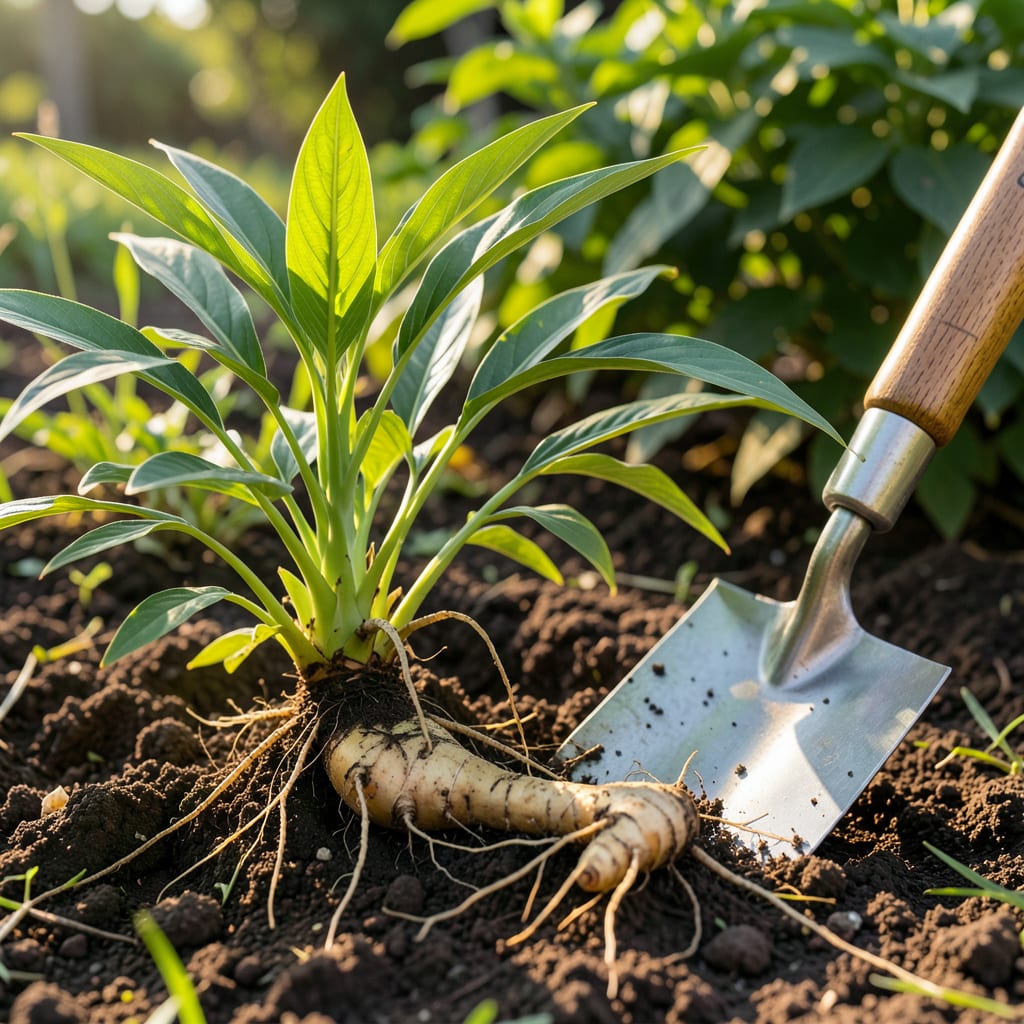
Growing Ginger 🌱 at home is a rewarding experience, but knowing exactly when to harvest can be tricky. Unlike many garden plants, it has a unique growth cycle that influences its flavor and yield.
I’ll walk you through the key milestones from planting to harvest, including how long you should wait before digging up those flavorful rhizomes. Let’s get started.


Understanding the ginger growth timeline is essential for a successful harvest. From the moment you plant a rhizome, it undergoes several distinct stages before it’s ready to be dug up and enjoyed. Each phase has its own care requirements and milestones.
I’ve broken down the entire process into clear stages, so you’ll know exactly what to expect and when. This timeline helps you plan your gardening schedule and ensures you don’t harvest too early or too late. 🌱
| Stage | Timeframe | Key Milestone |
|---|---|---|
| Sprouting | 2-4 weeks | First shoots emerge from the soil |
| Foliage Growth | 2-3 months | Leaves grow tall and lush |
| Rhizome Formation | 4-6 months | Underground rhizomes begin to swell |
| Maturity | 8-10 months | Leaves yellow, stems dry, rhizomes plump |
The sprouting stage typically begins 2-4 weeks after planting. During this time, you’ll see the first green shoots poking through the soil. It’s crucial to keep the soil consistently moist but not waterlogged to encourage strong initial growth.
As the plant enters the foliage growth phase, which lasts about 2-3 months, the leaves grow rapidly. This is when your ginger plant will start to look like a tropical beauty with tall, slender leaves. Regular watering and light feeding will support this growth.
By 4-6 months, the rhizomes beneath the soil begin to form and swell. This is the most critical phase for flavor development. Ensure the plant receives enough shade, especially in hotter climates, to prevent stress.
The final stage, maturity, occurs around 8-10 months after planting. At this point, the leaves turn yellow, and the stems start to dry out. These are clear signs that your ginger is ready to be harvested.
If you live in a cooler climate, you might need to start your ginger indoors or use containers that can be moved inside during colder months. This ensures the plant gets the full 8-10 month growing season it needs.
Remember, patience is key with ginger. Harvesting too early results in small, underdeveloped rhizomes with less flavor. Wait for those yellowing leaves and drying stems to ensure a bountiful and flavorful harvest. ☀️
Knowing when to harvest ginger can be tricky, but there are clear visual signs to watch for. Unlike many plants, ginger doesn’t ripen above ground, so you’ll need to pay close attention to the foliage and growth timeline.
I’ve found that yellowing leaves and drying stems are the most reliable indicators that your ginger is mature and ready to be dug up. These changes typically appear after 8-10 months of growth. 🌱
The first sign I look for is leaf yellowing. This happens as the plant enters its final growth stage and begins redirecting nutrients to the underground rhizomes. Don’t be alarmed—this is a natural part of the process.
Next, the stems start to dry out and may even flop over. This is another positive sign that the rhizomes below are plumping up and reaching their full size. It’s nature’s way of telling you the harvest window is near.
If you gently brush away some soil at the base, you should see swollen rhizomes with firm, taut skin. These rhizomes will have developed their full spicy, aromatic flavor by this point, making them perfect for harvest.
For the best results, wait until at least 8 months have passed since planting. In warmer climates, you can leave ginger in the ground for up to 10 months for even larger rhizomes. Just be sure to harvest before the first frost if you’re in a cooler zone. ☀️
Harvesting ginger at different stages can significantly impact its flavor profile and yield potential. While 8-10 months is ideal, some gardeners opt for an early harvest at around 6 months. Each approach has its pros and cons.
I’ve found that early harvesting gives you young ginger with a milder taste and tender texture, but the rhizomes will be smaller. Waiting the full 10 months yields larger, more pungent rhizomes with a stronger flavor. 🌱
| Harvest Time | Flavor | Rhizome Size | Storage Life |
|---|---|---|---|
| 6 months | Mild, less spicy | Small, thin | Short (1-2 weeks) |
| 8-10 months | Strong, spicy | Large, plump | Long (several months) |
If you harvest at 6 months, you’ll get a fresh, juicy rhizome that’s perfect for immediate use. However, the yield will be smaller, and the flavor won’t be as intense. This is a good option if you’re eager to taste your homegrown ginger or if your growing season is cut short by cold weather.
Waiting until 8-10 months allows the rhizomes to fully mature. You’ll notice a deeper, spicier flavor and a much higher yield. These rhizomes also store better, so you can enjoy your harvest for months to come.
For the best of both worlds, try staggered planting. Plant a few rhizomes every couple of months, so you’ll have young ginger to enjoy early and mature ginger later in the season. This way, you can experience the full range of flavors ginger has to offer. ☀️
Harvesting before 8 months results in small, underdeveloped rhizomes with mild flavor. The skin may appear thin or wrinkled, and storage life will be short—only 1-2 weeks.
In warm climates, ginger can stay in the ground up to 12 months, but flavor won’t improve significantly after 10 months. Risk of rot increases with prolonged growth.
Gently brush soil away at the base—mature rhizomes feel firm and substantial. They’ll have smooth, taut skin and measure at least 2-3 inches long.
Containers can speed up growth slightly due to controlled conditions, but rhizomes may be smaller. Ensure pots are at least 12 inches deep for proper development.
