
Beautiful Plants For Your Interior
Beautiful Plants For Your Interior
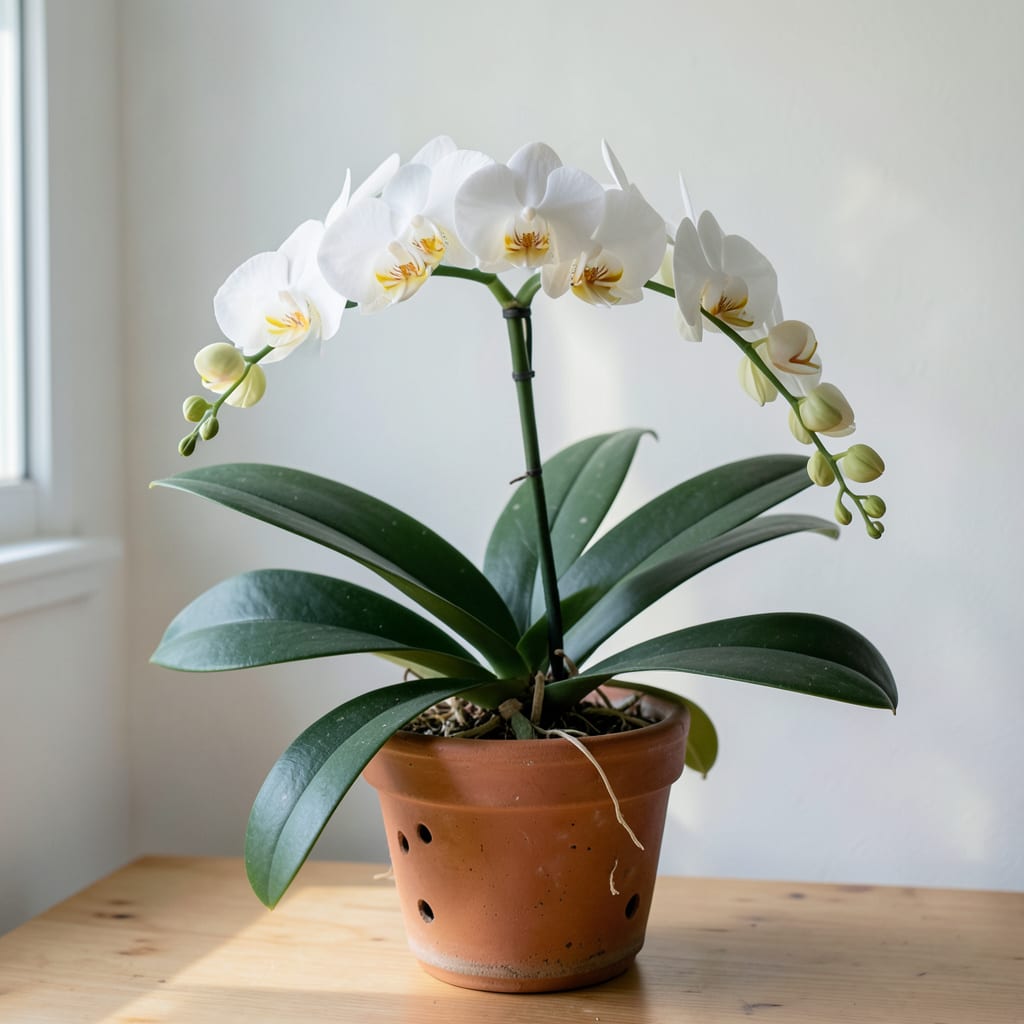
As an orchid enthusiast, I’ve often wondered: how long do these beautiful 💐 Orchids take to bloom again? The answer depends on several factors, including light, temperature, and care.
Understanding these elements can help you encourage your Orchid to rebloom more frequently. Let’s explore the key factors that influence blooming cycles and discover expert tips to enjoy your Orchid’s stunning flowers for longer periods.
Understanding the factors that influence how long orchids take to bloom again is crucial for any orchid enthusiast. Several key elements play a significant role in determining the reblooming cycle of these beautiful plants.
The time it takes for an orchid to bloom again can vary significantly based on factors such as light exposure, temperature, watering frequency, fertilization, and rest period requirements. Each of these elements contributes to the overall health and blooming capability of the orchid 🌼.
The type of orchid you’re growing also plays a significant role in determining how long it takes to bloom again. Different species have varying blooming cycles, with some reblooming in as little as a few months, while others may take up to a year or more 🔍.
Phalaenopsis orchids, for example, are known to bloom multiple times a year under optimal conditions, while Cattleya orchids may take several months to a year to rebloom. Understanding the specific needs of your orchid species is key to encouraging frequent blooms.
Maintaining a consistent environment is also vital. Orchids thrive when their surroundings mimic their natural habitat as closely as possible. This includes providing the right humidity levels, air circulation, and potting mix 🌱.
By carefully managing these factors, you can create an optimal environment that encourages your orchid to bloom again more frequently. Regular monitoring and adjustments to your care routine can make a significant difference in the health and blooming frequency of your orchids.
It’s also worth noting that after the initial bloom, some orchids may enter a period of dormancy. During this time, their care requirements might change, and understanding these needs is crucial for supporting the plant through its rest period and into the next blooming cycle.
By paying close attention to these factors and adjusting your care practices accordingly, you can enjoy more frequent and vibrant blooms from your orchids. The key is to be patient and observant, as the needs of each orchid can vary 🌺.
Ultimately, the time it takes for an orchid to bloom again is a complex interplay of various factors. By mastering the care requirements of your specific orchid species and providing the right conditions, you can look forward to enjoying beautiful blooms for years to come.
For those new to orchid care, it’s essential to start with a healthy plant and be prepared to adapt your care routine as needed. With time and experience, you’ll become more attuned to your orchid’s needs, leading to more successful and frequent blooming.
To encourage your orchids to bloom again, it’s essential to provide them with optimal care conditions. This includes maintaining the right light exposure, temperature, and watering schedule. By understanding and meeting these needs, you can significantly improve the frequency and vibrancy of your orchid’s blooms 🌼.
One of the most critical factors in encouraging reblooming is providing the appropriate light conditions. Most orchids require bright, indirect light to bloom. Placing your orchid near an east- or west-facing window can provide the ideal light conditions. It’s also important to avoid direct sunlight, which can cause the leaves to become scorched and the flowers to fade 🌻.
To encourage reblooming, fertilize your orchids regularly during the growing season with a balanced fertilizer. This will provide the necessary nutrients for healthy growth and blooming.
Fertilization plays a crucial role in supporting the overall health of your orchid and encouraging it to bloom again. Using a balanced, water-soluble fertilizer (20-20-20) at half the recommended strength can help provide the necessary nutrients without causing damage to the roots.
Watering is another critical aspect of orchid care that directly impacts reblooming. Orchids generally prefer to be watered when their potting mix is nearly dry. Over-watering can lead to root rot, while under-watering can cause dehydration and stress, both of which can delay blooming.
Repotting your orchid every 2-3 years can also help encourage it to bloom again. This process involves refreshing the potting mix and providing a clean, healthy environment for the roots to grow. It’s best to repot your orchid after it has finished blooming, as this is when it is most receptive to being moved into a new pot 🌱.
By following these expert care tips, you can create an environment that supports your orchid’s health and encourages it to bloom again more frequently. Remember, patience and observation are key, as the needs of each orchid can vary. With the right care, you can enjoy the beautiful blooms of your orchids for years to come 🌺.
It’s also important to monitor your orchid’s health closely and make adjustments to your care routine as needed. By doing so, you can address any issues promptly and ensure that your orchid remains healthy and continues to bloom beautifully.
By combining these care practices with a deep understanding of your orchid’s specific needs, you can maximize the frequency and beauty of its blooms, enjoying the rewards of your careful attention and dedication.
When waiting for orchids to rebloom, several common challenges can arise that may delay the process. Understanding these potential issues can help you address them promptly and keep your orchid healthy 🌿.
One of the most significant challenges is root damage, which can occur due to over-watering or physical harm during repotting. Damaged roots can severely impact the plant’s ability to absorb nutrients, leading to delayed reblooming 🔍.
Be cautious of over-watering, as it can lead to root rot and significantly delay reblooming. Ensure proper drainage and allow the potting mix to dry slightly between waterings.
Potting mix problems are another common issue. Over time, the potting mix can break down, becoming too dense and preventing proper drainage. This can cause root rot and other health issues, ultimately delaying reblooming 🌱.
Pest-related stress is also a significant challenge. Pests like mealybugs, scale, and spider mites can weaken the plant, diverting its energy from blooming to survival. Regularly inspecting your orchid and addressing any pest issues promptly can help mitigate this problem 🐜.
To overcome these challenges, it’s essential to maintain a consistent and appropriate care routine. This includes monitoring your orchid’s health, adjusting watering and fertilization as needed, and repotting when necessary. By doing so, you can create an environment that supports your orchid’s overall health and encourages it to rebloom more frequently 🌺.
Additionally, being aware of the specific needs of your orchid species can help you tailor your care practices to address potential challenges. For example, some orchids require a period of cooler temperatures or a dry spell to trigger reblooming. Understanding these needs can help you provide the right conditions for your orchid to thrive ❄️.
By addressing these common challenges and maintaining optimal care conditions, you can enjoy more frequent and vibrant blooms from your orchids. Remember, patience and observation are key to successful orchid care, and with the right approach, you can overcome the challenges that may arise when waiting for your orchids to rebloom 🌼.
Most orchids bloom again within 6-12 months, but this can vary depending on the species and growing conditions. Some orchids, like Phalaenopsis, can bloom multiple times a year, while others may take longer to rebloom. Proper care and optimal conditions can encourage more frequent blooming .
Several factors affect an orchid’s reblooming cycle, including light exposure, temperature, watering frequency, fertilization, and rest period requirements. Understanding and managing these elements can help encourage your orchid to bloom again more quickly .
Yes, you can encourage your orchid to rebloom more quickly by providing optimal care conditions. This includes maintaining the right light, temperature, and watering schedule, as well as fertilizing regularly during the growing season. Repotting every 2-3 years can also help support healthy growth and blooming .
Orchids may not bloom again immediately due to various factors such as root damage, potting mix problems, or pest-related stress. Ensuring proper care and addressing any issues promptly can help support your orchid’s health and encourage it to rebloom more frequently .
