
Beautiful Plants For Your Interior
Beautiful Plants For Your Interior
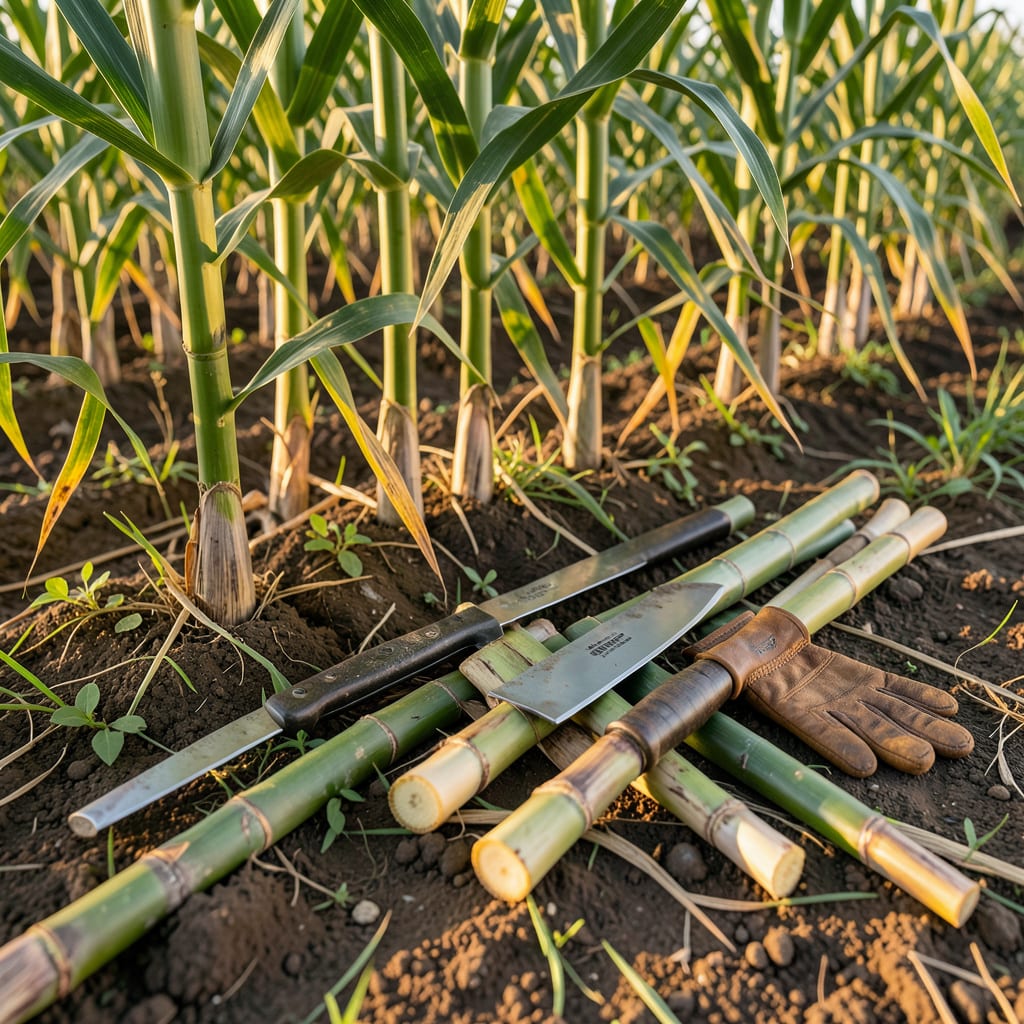
Did you know the 🌿 Sugarcane you see in fields goes through a fascinating journey before it becomes sugar? The harvesting process is where tradition meets innovation.
From hand-cutting with machetes to modern machinery, I’ll show you how this tall grass is gathered at just the right time. Let’s explore the best methods for bringing in a successful harvest.
For centuries, sugar cane harvesting was done by hand, a practice still used in many parts of the world today. This method relies on skilled workers using sharp machetes to cut the stalks close to the ground. It’s labor-intensive but allows for selective harvesting of mature stalks.
The timing is everything—12 to 18 months after planting, when the stalks are 1-2 inches thick and the leaves start yellowing. Workers must also watch for firm, hard stalks, a sign of peak sugar content. ☀️
| Method | Timing | Tools Used | Labor Intensity |
| Hand-Cutting | 12-18 Months | Machetes | High |
| Stalk Selection | Peak Sugar Content | Refractometer | Moderate |
| Field Clearing | Pre-Harvest | Sickles, Gloves | High |
| Burning | Pre-Harvest (Optional) | Controlled Fire | Low |
In some regions, controlled burning of the fields is done before harvesting. This removes dry leaves and trash, making the stalks easier to access and reducing the weight for transport. However, it’s a controversial practice due to environmental concerns.
The process starts at dawn to avoid the midday heat. Workers move in rows, cutting each stalk at the base and stripping the leaves. The cut stalks are then bundled by hand and loaded onto carts or trucks for transport to the processing facility.
One major advantage of manual harvesting is the ability to leave immature stalks to continue growing. This selective approach can lead to higher quality sugar but requires experienced labor to identify the right stalks.
Safety is a big concern. Workers must wear protective gear like gloves, long sleeves, and sturdy boots to prevent injuries from the sharp machetes and rough cane leaves. Proper training in tool handling is essential to avoid accidents.
The yield from manual harvesting can be impressive, often reaching 50 to 60 tons per acre under ideal conditions. However, the labor costs can be high, especially in regions where workers are paid daily wages.
Even with the rise of machines, traditional methods remain vital in small-scale farming and areas with challenging terrain. The human touch ensures that only the best quality cane is harvested, preserving the integrity of the crop. 🌿
If you’re considering growing sugar cane at home, hand-harvesting is the most practical approach. Just be sure to invest in a high-quality machete and learn the proper technique to make clean, efficient cuts without damaging the plant’s base for future growth.
While traditional methods still have their place, mechanical harvesting has transformed sugar cane farming. Modern machines like combine harvesters can cut, chop, and load cane in one pass, drastically reducing labor costs and time. ☀️
These machines are designed to handle large fields efficiently. They use rotating blades to cut the stalks at the base and chopping mechanisms to process the cane into smaller pieces for easier transport and processing.
| Method | Speed | Cost |
| Combine Harvester | 10-15 acres/hour | High initial investment |
| Chopper Harvester | 8-12 acres/hour | Moderate |
| Whole-Stalk Harvester | 5-8 acres/hour | Low maintenance |
Mechanical harvesting is most effective in flat, large-scale plantations where the terrain allows machines to operate smoothly. It also reduces the need for controlled burning, as the machines can handle green cane with minimal trash.
One of the biggest advantages is speed. A single harvester can cover 10 to 15 acres per hour, a task that would take dozens of workers days to complete manually. This efficiency translates to lower operational costs and faster turnaround times.
However, there are challenges. The initial cost of machinery can be prohibitive for small farmers, and maintenance requires skilled technicians. Additionally, mechanical harvesting can sometimes lead to higher soil compaction and potential damage to the crop’s base.
For home gardeners, mechanical harvesting isn’t practical, but understanding these methods helps appreciate the scale and efficiency of commercial sugar cane production. The key is matching the right method to your field’s size and terrain. 🌿
Timing your sugar cane harvest perfectly ensures the best sugar content and yield. I always check for thick, golden stalks and dry, yellowing leaves as key signs. Harvesting too early or late can reduce quality significantly. ☀️
The ideal window is 12 to 18 months after planting, when stalks are 1-2 inches thick. Using a refractometer to measure sugar levels can help confirm readiness. Pre-harvest, I clear the field of debris to ease access.
| Step | Action | Timing |
| 1 | Field preparation | 1-2 weeks before |
| 2 | Test sugar content | At maturity |
| 3 | Harvest stalks | Early morning |
| 4 | Transport quickly | Within 24 hours |
Post-harvest, rapid transport to the processing facility is crucial to prevent sugar degradation. I recommend cutting stalks in the early morning to minimize heat exposure and loading them onto trucks immediately.
For storage, keep harvested cane in a cool, shaded area and process it within 24 hours for maximum sugar retention. Avoid bruising the stalks during handling, as this can lead to sugar loss and spoilage. 🌿
Finally, after harvesting, I assess the field for ratooning potential. Sugar cane can regrow from the remaining stubble, allowing for multiple harvests over several years with proper care and fertilization.
A sharp machete is essential for clean cuts at the stalk base. Workers also need protective gloves, long sleeves, and sturdy boots to prevent injuries from sharp leaves.
Start at dawn to avoid midday heat and reduce sugar loss. Early morning cuts ensure stalks stay fresh until processing.
It typically reaches peak sugar content in 12 to 18 months. Look for thick, golden stalks and yellowing leaves as signs of readiness.
Yes! After cutting, the stubble can regrow for 3-5 harvests over several years. This is called ratooning and saves replanting time.
