
Beautiful Plants For Your Interior
Beautiful Plants For Your Interior
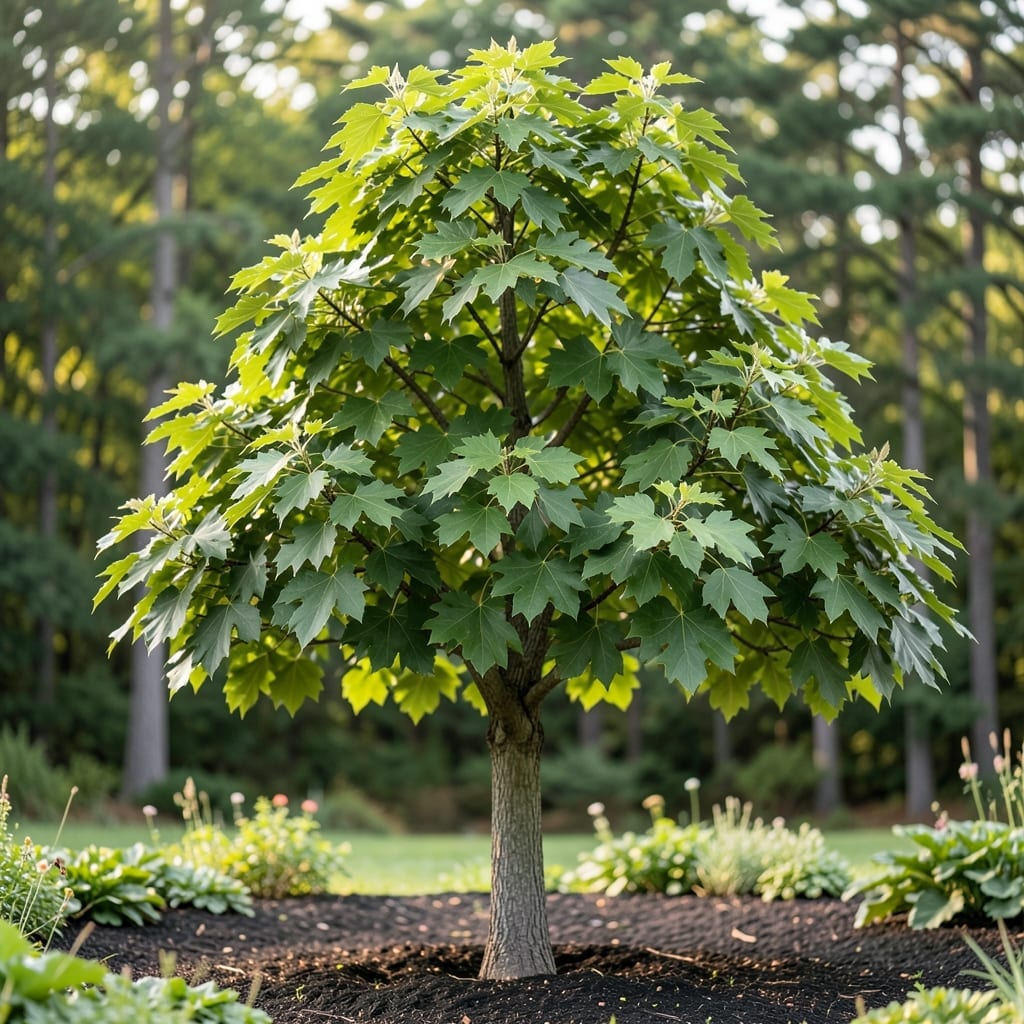
If you’ve ever wanted to transform your landscape quickly, the Tulip Poplar Tree 🌳 might be your game-changer. This majestic tree is famous for its rapid growth, making it a top choice for gardeners eager to add height and shade.
Understanding how fast it grows helps you plan the perfect spot and care routine. Whether you’re planting for privacy or beauty, knowing its growth rate ensures you get the results you want.
I’ll walk you through what to expect year by year, so you can watch your Tulip Poplar Tree thrive. From initial planting to its towering maturity, you’ll discover how to support its impressive growth.
With the right conditions, this tree can become a stunning centerpiece in your yard faster than you might think. Let’s explore how to make it happen.

If you’re planting a tulip poplar tree, you’ll be amazed at how quickly it grows. In ideal conditions, these trees can add 2 to 5 feet per year, making them one of the fastest-growing hardwoods.
During the first few years, expect rapid height gains. By year three, your tree could already reach 15 to 20 feet, which is perfect for creating quick shade or privacy in your landscape.
| Year | Height Range |
|---|---|
| Year 1 | 3-5 feet |
| Year 2 | 8-12 feet |
| Year 3 | 15-20 feet |
| Mature | 70-90 feet |
The most impressive growth typically occurs between years 5 and 15, when the tree can shoot up 5 feet annually under perfect conditions. This is when your tulip poplar will truly transform your yard.
After reaching about 20 years old, the growth rate begins to slow. At this stage, the tree focuses more on thickening its trunk and expanding its canopy rather than just height.
For the best results, I recommend planting in well-draining soil with full sun exposure. These conditions help maximize the tree’s natural growth potential and ensure it reaches its impressive mature height.
Remember that water availability plays a crucial role too. Young trees need consistent moisture, especially during their first growing season, to establish strong roots for future growth.
While tulip poplars are adaptable, they grow fastest in USDA zones 4-9. If you’re in a colder climate, you might see slightly slower growth, but the tree will still outpace many other species.
One thing I love about these trees is their tulip-shaped flowers that appear in spring. This adds ornamental value while you’re waiting for the tree to reach its full height potential.
By understanding this growth pattern, you can plan your landscape design more effectively. Whether you want shade, privacy, or simply a beautiful tree, the tulip poplar delivers results faster than most.
🌳If you want your tulip poplar to reach its full potential, understanding the key growth factors is essential. These trees thrive in USDA zones 4-9 and respond well to optimal conditions. I’ve found that even small tweaks can make a big difference in their growth rate.
The most critical elements are soil quality, water availability, and sunlight exposure. Tulip poplars prefer well-drained, moist soil with a slightly acidic to neutral pH. Without these, their growth can slow significantly.
I’ve seen tulip poplars grow 2-5 feet per year when given ideal conditions. Sunlight is non-negotiable—these trees need full sun to hit their rapid growth stride. Shady spots will stunt their development.
Watering is another game-changer. Young trees need consistent moisture, especially during dry spells. A deep soak once a week is better than frequent shallow watering, as it encourages strong root systems.
Don’t overlook soil quality. Tulip poplars aren’t picky, but they grow fastest in fertile, loamy soil. If your soil is poor, amending it with compost can give your tree a serious boost.
Finally, pruning plays a role. While tulip poplars don’t need heavy pruning, removing dead or diseased branches helps the tree focus its energy on upward growth. Just be sure to prune in late winter before new growth starts.
With these factors dialed in, your tulip poplar will grow tall and strong in no time 🌳