
Beautiful Plants For Your Interior
Beautiful Plants For Your Interior
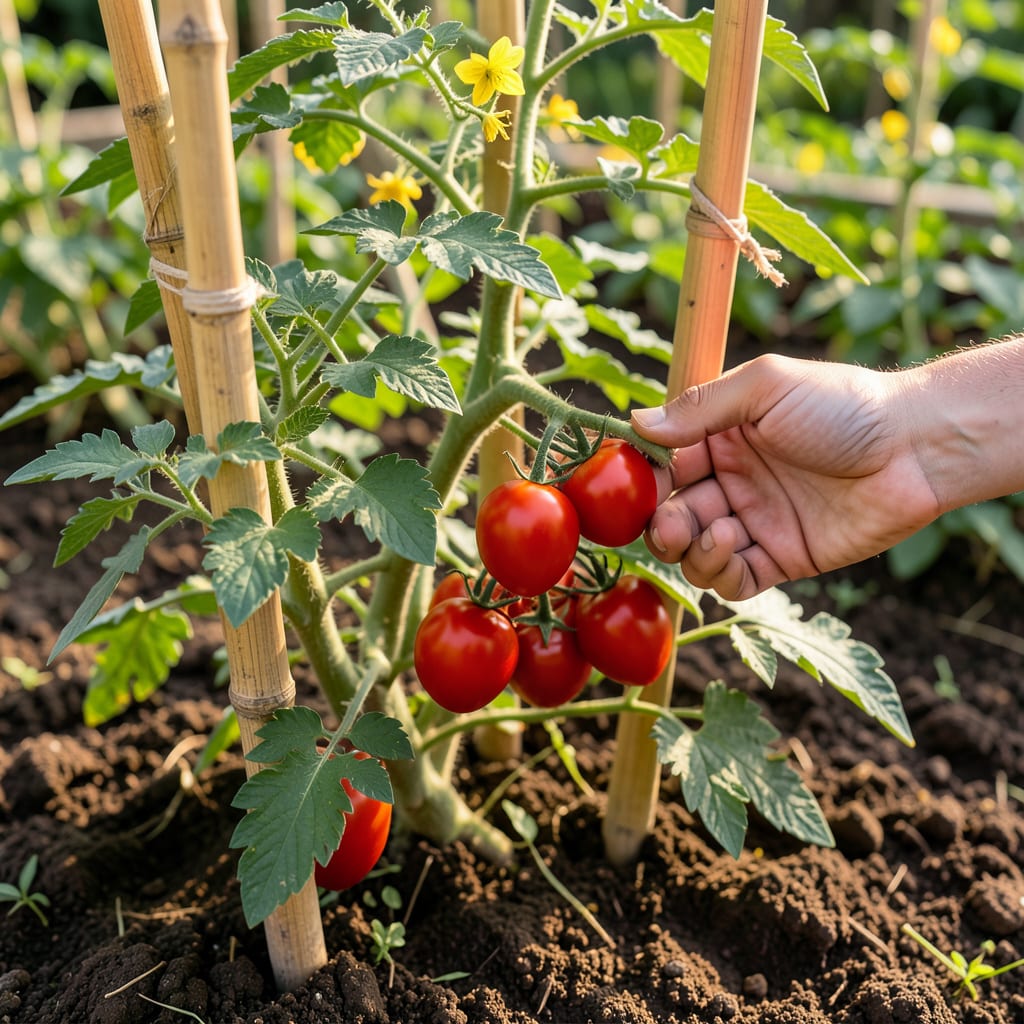
There’s nothing quite like the taste of a perfectly ripe 🍅 Tomato picked at its peak. But how do you avoid picking it too early or too late?
I’ll show you the easiest visual and tactile signs to look for. From color shifts to the gentle squeeze test, you’ll learn how to harvest with confidence.


The most obvious sign is color change. For red varieties, this means a deep, even hue. Heirlooms may turn purple, yellow, or even striped when ready. Always check the entire surface for consistent coloring.
Look for shiny, smooth skin as another indicator. Dull or wrinkled skin often signals overripeness. Cherry tomatoes will be plump and round, while beefsteaks reach their full size before ripening. 🌿
Tomato Ripeness Indicators by Variety
| Variety | Ripe Color | Size Indicator |
|---|---|---|
| Cherry | Bright red | 1-2 inches |
| Beefsteak | Deep red | 6+ inches |
| Heirloom | Varies (purple/yellow) | 4-6 inches |
| Green Zebra | Yellow with stripes | 3-4 inches |
Don’t ignore the stem area. A ripe tomato will have a drying stem that may start to crack slightly. The area around the stem, called the calyx, should be green but not hard. This is especially true for vine-ripened varieties.
Size matters too. Most tomatoes reach 80-90% of their mature size before ripening. For example, a Brandywine should be nearly 1 pound before it starts changing color. Smaller varieties like grape tomatoes will be marble-sized.
The glossy appearance of a tomato’s skin is a great indicator. As tomatoes ripen, their skin becomes smoother and shinier. If it looks dull, it’s likely not ready. This is particularly noticeable in slicing tomatoes.
For yellow varieties, look for a golden hue rather than pale yellow. Orange tomatoes should have a vibrant, even tone. Remember that color uniformity is more important than the exact shade, which varies by variety.
Check the bottom of the tomato (opposite the stem). This area often ripens last. If it’s still green or white, wait a few more days. A fully ripe tomato will have consistent color from top to bottom.
Weather can affect ripening signs. In hot climates, tomatoes may develop yellow shoulders while still being ripe. In cooler areas, they might need longer on the vine to reach full color. Always consider your local conditions.
Finally, trust your experience. After harvesting a few tomatoes, you’ll start to recognize the subtle differences between varieties. Keep notes on ripening times for each type in your garden. ✂️
The gentle squeeze test is my go-to method for confirming ripeness. A ripe tomato will yield slightly to pressure, like a firm avocado. If it feels rock hard, it’s not ready yet. Be careful not to squeeze too hard and bruise the fruit.
Another tactile cue is the weight test. Ripe tomatoes feel heavy for their size because they’re full of juice. Compare similar-sized tomatoes to get a feel for the right density. This works especially well for beefsteak varieties.
3 Tactile Tests for Perfect Tomatoes
The stem check is another reliable method. A ripe tomato’s stem will separate easily from the vine with a gentle twist. If it resists, the tomato needs more time. This is particularly useful for cherry tomatoes.
I always examine the shoulders of my tomatoes. In some varieties, the area near the stem may stay slightly green even when ripe. Don’t let this fool you – focus on the overall feel and color instead.
For heirloom varieties, the squeeze test is especially important. Their unique colors can be misleading. A Brandywine might look ready when it’s not, but the firmness test won’t lie. Always combine visual and tactile checks.
Remember that temperature affects firmness. Tomatoes picked in cool morning may feel firmer than those harvested in afternoon heat. I prefer to check my tomatoes in the early evening when they’ve warmed up. 🌿
Even experienced gardeners make common mistakes when harvesting tomatoes. Picking too early means bland flavor, while waiting too long can lead to split skins or rot. Timing is everything with tomatoes.
One major error is ignoring variety differences. A green zebra stays partially green when ripe, while a brandywine needs deep color. Always research your specific tomato type first. 🌿
⚠️ Avoid These Tomato Picking Pitfalls
Picking when too firm – leads to poor taste
Harvesting in rainy weather – causes cracking
Using garden shears – can damage vines
Never harvest tomatoes when they’re wet from rain or morning dew. This can lead to disease spread and reduces storage life. Always pick during dry conditions for best results.
Another mistake is pulling instead of twisting. Always use a gentle twist to remove tomatoes from the vine. Pulling can damage the plant and bruise the fruit. This is especially important for delicate heirloom varieties.
Finally, don’t overlook the bottom of the tomato. Many gardeners only check the top, but the blossom end often ripens last. A truly ripe tomato will have even color all around. ✂️
It depends on the variety. Most red types turn deep, even red, while heirlooms may be purple, yellow, or striped. Always check for consistent color all over.
Use the gentle squeeze test. A ripe tomato will yield slightly to pressure and feel heavy for its size. The stem should also separate easily with a light twist.
This is normal for certain varieties. The shoulders near the stem may stay slightly green even when ripe. Focus on overall color and firmness instead.
They’ll have bland flavor and mealy texture. Early-picked tomatoes also won’t ripen as well off the vine. Always wait for full color and slight softness.
