
Beautiful Plants For Your Interior
Beautiful Plants For Your Interior
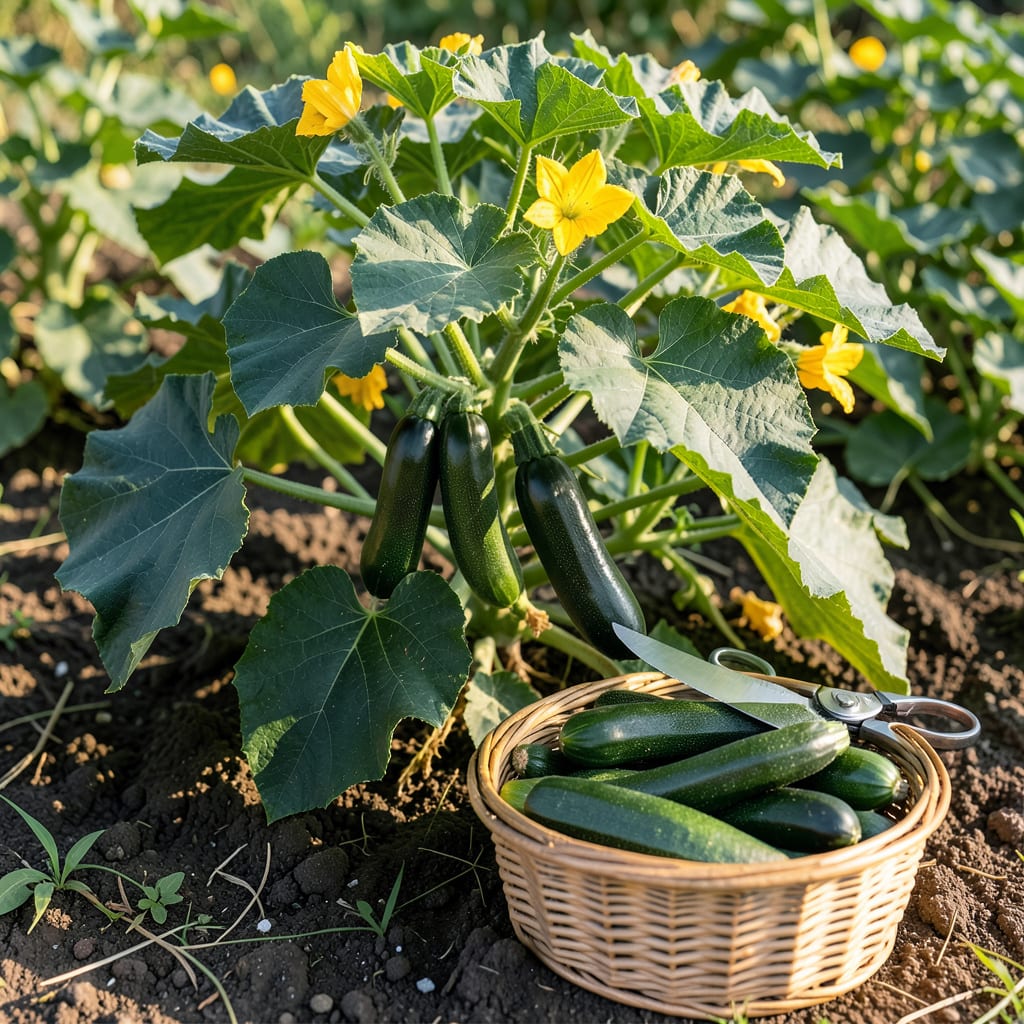
Picking zucchini at the perfect time ensures the best flavor and a bountiful harvest. But how do you know when it’s ready?
With the 🥒 zucchini plant, timing is everything. I’ll show you the simple signs to look for, so you never miss that ideal window for picking.


Knowing when to pick zucchini starts with observing its physical signs. I look for a deep green color and a glossy skin that reflects light. The size is another key indicator—6-8 inches long is ideal for most varieties.
The texture should be firm but not hard. If the skin feels tough or dull, it’s likely overripe. I also check the stem condition—it should still be soft and green when ready to harvest.
| Harvest Sign | What to Look For |
|---|---|
| Size | 6-8 inches long |
| Skin Color | Deep green and glossy |
| Texture | Firm but not hard |
| Stem Condition | Soft and green |
| Blossom End | Slightly moist |
Avoid harvesting if the zucchini is too small (under 4 inches) or if the skin is dull. These are signs it’s either not ready or past its prime. I also steer clear of fruits with soft spots, as they may be rotten inside.
The blossom end is another great indicator. If it’s still slightly moist, the zucchini is likely at its peak. Once it dries out, the fruit may be overripe. I’ve found that checking these signs daily during peak season helps me catch each one at the right time.
I always recommend harvesting in the early morning when the fruit is most hydrated. This ensures the best texture and flavor. Using a sharp knife or pruners also helps prevent damage to the plant and fruit.
Another tip: check your plants daily. Zucchini grows incredibly fast—sometimes 2 inches per day—so missing a day can mean oversized fruit. Regular checks ensure you catch each at its prime before it becomes tough and seedy.
If you’re unsure, perform a gentle squeeze test. The zucchini should feel firm but not rock-hard. If it gives slightly under pressure, it’s ready. If it’s too soft, it’s likely overripe and should be composted instead of eaten 🌱
I always use a few simple tests to confirm my zucchini is ready for harvest. The gentle squeeze test is my first go-to—firm but not rock-hard means it’s perfect. A dull thud when tapped indicates overripeness.
Next, I try the nail scratch test. If my fingernail easily punctures the skin without much pressure, it’s at peak ripeness. This works because the skin softens as it matures.
The blossom end is another telltale sign. If it’s still slightly moist, the zucchini is likely ready. I also watch the growth rate—once it slows, it’s time to pick.
I avoid waiting too long because overgrown zucchini becomes tough and seedy. The ideal size is 6-8 inches, but I’ve found smaller ones are more tender. Always pick in the morning for best texture.
Using these tests ensures I never miss the perfect harvest window. My plants reward me with continuous production when I stay on top of picking.
Consistency is key—I check my plants daily during peak season to catch each zucchini at its prime 🌱
Harvesting zucchini at the wrong time can lead to tough, bitter fruit or reduced yields. I’ve seen gardeners wait too long, thinking bigger means better, but overgrown zucchini loses flavor and texture quickly. Others pick too early, missing out on full size and sweetness.
Using the wrong tools is another common mistake. Pulling zucchini by hand can damage the plant or fruit, while dull tools can crush stems. Timing matters too—morning harvesting preserves freshness better than evening.
⚠️ Avoid These Harvesting Pitfalls
Waiting too long causes seedy, tough zucchini that’s less tasty and harder to use.
Picking too early means underdeveloped fruit with poor texture and flavor.
Using hands instead of pruners risks damaging the plant and fruit.
I always recommend using clean, sharp pruners or a knife to harvest. Cut the stem about 1 inch above the fruit to avoid harming the plant. This method keeps the zucchini plant healthy and productive for future harvests.
Another tip: check your plants daily in peak season. Zucchini grows incredibly fast—sometimes 2 inches per day—so missing a day can mean oversized fruit. Regular checks ensure you catch each at its prime.
Finally, harvest in the early morning when temperatures are cooler. This helps the fruit retain moisture and freshness longer after picking. It’s a small step that makes a big difference in quality 🌱
Ideal zucchini are 6-8 inches long and about 2 inches in diameter. Smaller ones (4-6 inches) are often more tender. Anything larger than 10 inches tends to be tough and seedy.
Overripe zucchini have dull, hard skin and large, hard seeds inside. The stem may turn yellow or brown, and the fruit feels spongy when squeezed. Harvest before this stage for best texture.
Always pick in the early morning when temperatures are cooler. This helps preserve moisture and freshness. Evening harvesting can lead to wilted fruit that doesn’t store as well.
Check daily during peak season as zucchini can grow 2 inches in a day. Missing even one day may result in oversized fruit. Regular checks ensure you catch each at its prime
