
Beautiful Plants For Your Interior
Beautiful Plants For Your Interior
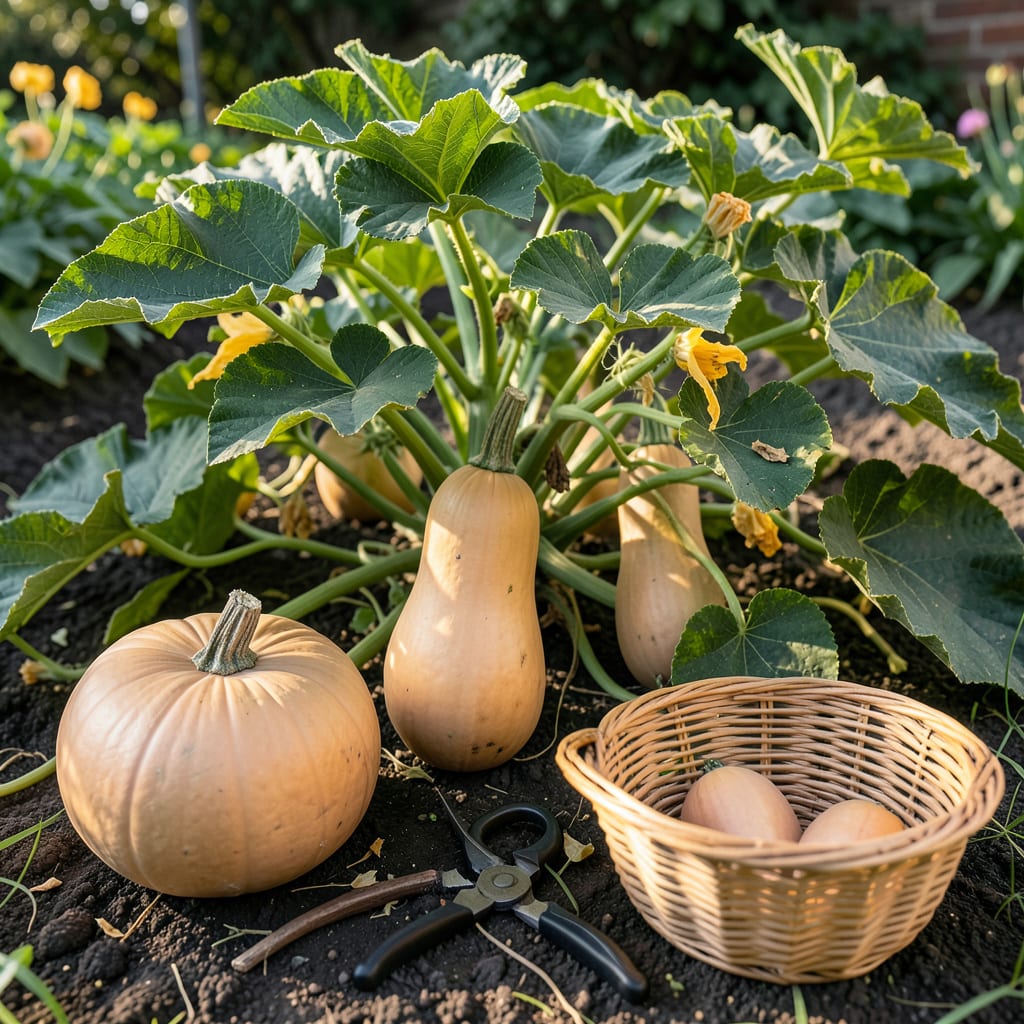
Picking Butternut Squash 🎃 at just the right time makes all the difference between a mediocre harvest and a perfectly sweet, long-lasting crop.
I’ll show you the simple signs to watch for—like vine drying and rind hardening—that guarantee your squash is ready to come off the vine.


Timing your butternut squash harvest perfectly ensures the best flavor and longest storage life. The key is watching for visual and tactile changes in the plant and fruit.
As the squash matures, you’ll notice the vine begins to dry and turn brown, while the rind hardens significantly. These are your first clues that harvesting time is near.
| Sign | Description |
|---|---|
| Vine Drying | Turns brown and crisp |
| Rind Hardening | Resists thumbnail pressure |
| Color Change | Deep consistent tan |
| Stem Condition | Dry and woody |
The thumbnail test is my go-to method for checking ripeness. Press your thumbnail into the squash rind – if it resists puncture, it’s ready. This hardness indicates the sugar content has developed fully.
Another clear sign is the color transformation. Immature butternut squash starts pale green or white, then deepens to a rich tan or beige when ripe. The color should be uniform across the entire surface.
Don’t overlook the stem condition. A ripe butternut will have a dry, corky stem that’s turning brown. If the stem is still green and flexible, your squash needs more time on the vine.
The vine health offers important clues too. As your squash nears ripeness, the vine will start to die back, turning brown and crisp. This is nature’s way of signaling the end of the growing cycle.
For best storage results, harvest before the first frost. Butternut squash can handle light frosts, but a hard freeze will damage the fruit. Aim to pick when temperatures are consistently above 50°F at night.
Remember that size isn’t everything with butternut squash. While most varieties reach 8-12 inches long when mature, the other ripeness signs are more important than dimensions alone.
If you’re still unsure, try the sound test. Tap the squash lightly – a hollow sound indicates ripeness, while a dull thud means it needs more time. This works best with larger, mature squash.
I always recommend checking multiple ripeness indicators before harvesting. The combination of hard rind, dry stem, and deep color gives the most reliable confirmation your butternut squash is ready to pick.
Harvesting butternut squash at the wrong time can ruin months of hard work. Picking too early means poor storage life and underdeveloped flavor, while waiting too long risks rot or animal damage. I’ve seen both scenarios play out in my garden.
One common mistake is relying solely on size as an indicator. Just because your squash looks big doesn’t mean it’s ripe. Always check the rind hardness and stem condition first.
Don’t pick before the rind hardens – these won’t store well.
Avoid waiting until after hard frosts – this causes damage.
Never ignore the vine condition – dying vines signal readiness.
Another frequent error is ignoring vine health. As squash mature, the vines naturally die back. If you harvest while vines are still green and healthy, you’re likely picking too early.
Many gardeners also forget to check the stem. A green, flexible stem means your squash needs more time. The stem should be dry and woody when ready for harvest.
Waiting too long can be just as problematic. Overripe squash may split open or attract pests and animals. I once lost half my crop to squirrels because I hesitated a week too long.
If you do harvest early, don’t despair. You can cure the squash indoors by storing at 80-85°F with good airflow for 10 days. This helps the rind harden and flavor develop further. 🌱
When you’re unsure if your butternut squash is ready, these three foolproof tests will give you confidence. I use them every harvest season to avoid guessing games.
The easiest method is the thumbnail test. Press your thumbnail into the squash rind – if it resists puncture, your squash is ripe. This hardness indicates full sugar development.
Next, inspect the stem condition. A ripe butternut will have a dry, woody stem that’s turning brown. If it’s still green and bendable, leave it on the vine for now.
The final test is the sound check. Gently tap the squash with your knuckles. A hollow sound indicates ripeness, while a dull thud means it needs more time. This works especially well with larger squash.
I recommend using all three tests together for the most accurate results. When the rind is hard, the stem is dry, and it makes a hollow sound, you can be confident your butternut squash is ready to harvest. 🌱
Picking before the rind hardens results in poor storage life and underdeveloped flavor. The squash won’t sweeten properly off the vine.
Overripe squash may split open or develop soft spots. Check for dull thuds when tapped and watch for animal damage.
Size alone isn’t reliable. A 10-inch squash with a soft rind isn’t ripe, while a 8-inch one with a hard shell might be perfect.
Yes! Cure early harvests at 80-85°F with airflow for 10 days. This helps the rind harden and flavor develop.
