
Beautiful Plants For Your Interior
Beautiful Plants For Your Interior
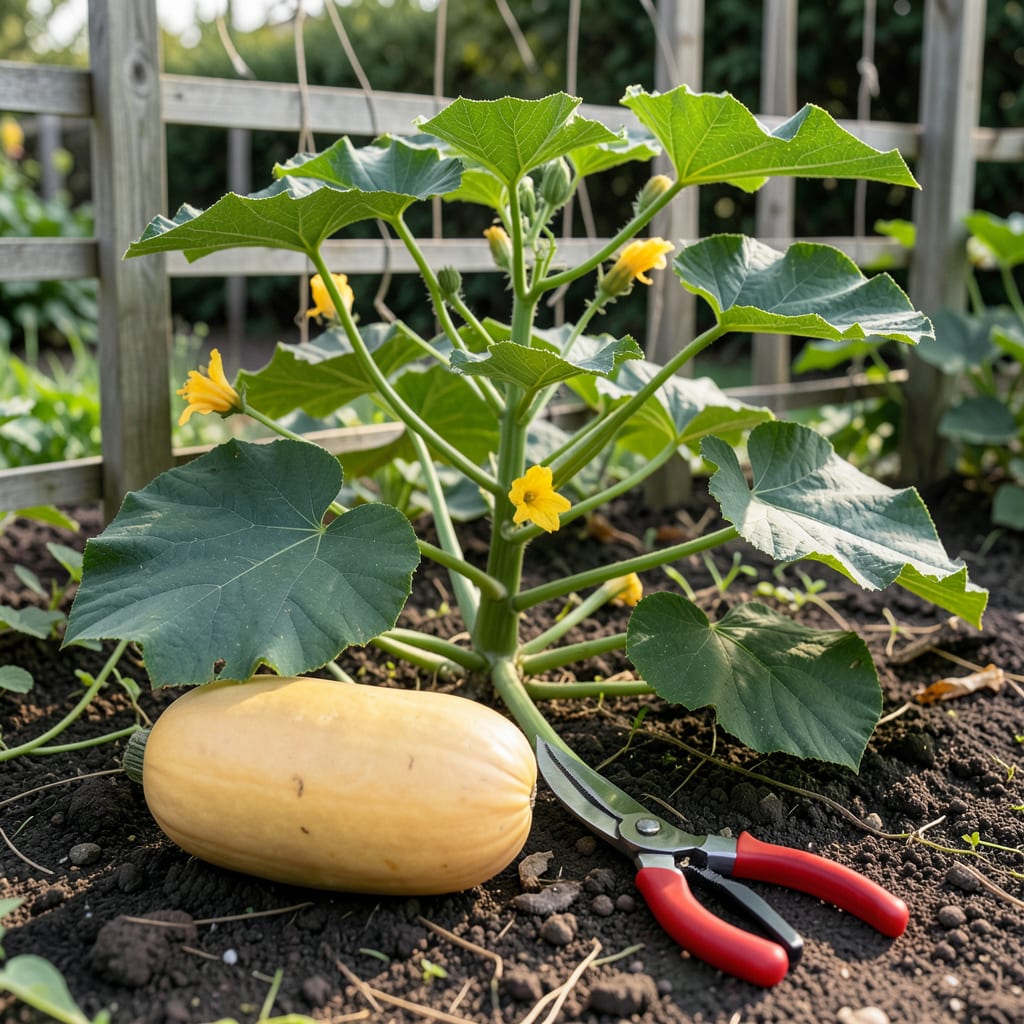
Harvesting Spaghetti Squash 🎃 at the perfect time ensures the best flavor and texture, but knowing the exact moment can be tricky for even experienced gardeners.
I’ll share the key signs to look for, from rind hardness to color changes, so you can pick your squash with confidence this season.


Knowing when to harvest spaghetti squash starts with observing the rind color. As the squash matures, the rind transitions from a pale green to a deep yellow or gold hue. This color change is your first visual cue that harvest time is near.
Another key indicator is rind hardness. A mature spaghetti squash will have a rind that’s hard enough to resist puncturing when you press your fingernail into it. If your nail leaves a mark or pierces the skin, the squash needs more time.
| Harvest Sign | What to Look For |
|---|---|
| Color Change | Deep yellow or gold rind |
| Rind Hardness | Cannot be pierced with fingernail |
| Stem Condition | Dry, woody, and brown |
| Vine Status | Begins to die back |
| Maturity Time | 80-100 days after planting |
The stem condition is equally important. As the squash ripens, the stem will change from green and moist to dry and woody. A brown, corky stem is a great sign that your spaghetti squash is ready to be picked.
For most varieties, spaghetti squash reaches maturity in 80 to 100 days after planting. If you’ve kept track of your planting date, this timeline can serve as a helpful guide to start checking for the other signs.
I always recommend using a combination of these indicators rather than relying on just one. The color change and rind hardness test together provide the most reliable confirmation that your spaghetti squash is ready to harvest.
Remember, harvesting at the right time ensures the best flavor and texture. Picking too early can result in a watery, underdeveloped squash, while waiting too long might lead to a stringy, overripe vegetable.
If you’re still unsure, try the thumping test. Tap the squash lightly with your knuckles. A mature spaghetti squash will produce a hollow sound, similar to a ripe melon.
By paying close attention to these visual and physical signs, you’ll be able to harvest your spaghetti squash at its peak every time 🌱
Timing is everything when it comes to harvesting spaghetti squash. Picking too early is a common mistake I see, especially among beginners. An underripe squash will have a pale rind that’s soft to the touch.
This leads to poor flavor development and a watery texture that doesn’t hold up well in storage. The squash simply hasn’t had enough time to develop its signature stringy flesh that makes it so special.
⚠️ Warning: Common Harvesting Pitfalls
Harvesting too early results in watery, underdeveloped squash. Waiting too long leads to overripe, stringy flesh with poor storage life.
On the flip side, leaving squash on the vine for too long can be just as problematic. Overripe spaghetti squash develops an overly stringy texture and may split open.
Another issue with late harvesting is reduced storage potential. Squash picked at peak ripeness will store for 1-3 months in cool, dry conditions, but overripe ones may spoil within weeks.
I’ve found that the vine condition often gives away when you’ve waited too long. If the vine has completely died back and the squash has been exposed to frost, it’s definitely past its prime.
To avoid these mistakes, start checking your squash when it reaches about 80 days after planting. Use the rind hardness test and color change as your primary indicators.
With practice, you’ll develop an eye for the perfect harvest window every time ✂️
Testing your spaghetti squash for ripeness doesn’t require special tools. I rely on the fingernail test most often. Simply press your nail into the rind—if it resists and doesn’t leave a mark, it’s ready.
Another method I love is the thumping test. Tap the squash with your knuckles. A mature one will produce a hollow sound, just like a ripe watermelon. This indicates the inside has developed properly.
The vine drying check is my third go-to. As the squash matures, the vine will start to die back and the stem will turn woody. This is nature’s way of telling you the squash is done growing.
I always combine at least two of these tests for the most accurate results. The fingernail test and thumping method work especially well together to confirm ripeness without cutting into the squash.
These simple tests remove the guesswork from harvesting. With practice, you’ll be able to identify the perfect harvest time every season, ensuring your squash has the best flavor and texture for storage and use 🌱
Look for a deep yellow or gold hue. Pale green or light yellow means it needs more time on the vine.
Press your fingernail into the rind. If it resists puncturing and leaves no mark, it’s ready. This simple test works every time.
Underripe squash will have a watery texture and poor flavor. It also won’t store well, often spoiling within weeks.
No, frost can damage the squash. Harvest before the first frost, ideally when the vine starts to die back.
